
Lieferung heute & morgen

Qualitätsgarantie

Willkommens-Angebote freischalten: KOSTENLOSE Lieferung | Bis zu 80 % RABATT | Kostenlose 30-Tage-JoyPlus-Testphase
App herunterladen
An 800W balcony solar kit can be a good option for flats, houses and small garden spaces where electricity is used regularly during the day. Before you buy, though, it’s worth checking the technical specifications carefully. Many listings advertise high wattages, easy installation or ‘plug and play’, but important details can be buried in the small print.
A kit with 2 x 450W solar panels has a nominal panel output of 900 Wp. That doesn’t automatically mean 900 W will be fed into your home’s electrical system, though. What matters is the microinverter’s output. With an 800 W inverter, the system’s maximum continuous output is generally capped at 800 W.
So look for two separate figures:
A balcony solar kit and its mounting system need to suit your balcony parapet, railing or chosen installation site. Before buying, check:
Flexible panels can help keep the weight down, while glass panels often need larger, sturdier fixing points. A lightweight kit won’t necessarily suit every balcony parapet. The system must be securely installed and comply with local requirements.
A balcony solar kit with battery storage can make surplus energy available later. However, usable capacity, charging power, discharge power and inverter compatibility matter more than the capacity figure alone. Also check whether a smart meter is required and whether an electrician needs to carry out the connection.
For a solar kit with inverter, you should also check the ingress protection rating, grid compliance, cable length and the brackets supplied. A Schuko plug makes it easier to connect the system, but it doesn’t replace secure installation or compliance with the applicable electrical regulations.
For households in Germany, specifications such as 220–240 V AC, 50/60 Hz and compliance with relevant grid requirements are important. The TSUN systems featured here list VDE-AR-N 4105 and EN 50549-1 among the standards for the microinverter. You should be able to verify these markings in the datasheet for the specific model.
A balcony solar kit with a Schuko plug must only be operated in accordance with the installation and connection instructions. If you’re unsure about your home’s wiring, earthing or connection method, consult a qualified electrician.
The ingress protection rating matters for a balcony solar system. IP67 indicates a defined level of protection against dust and temporary immersion, as tested to the relevant standard. This doesn’t mean cable connections can be left in water. Plugs, connectors and cables must also be protected and routed correctly.
Efficiency describes the proportion of incoming solar energy converted into electrical power under specified conditions. On its own, it doesn’t tell you how much energy the system will generate over a year. Shading, orientation, tilt, temperature and local sunlight levels all affect actual output.
Weight is also an important factor: the TSUN 800 W system is listed at 25 kg, while the TSUN 400 W system weighs 13 kg. That difference matters when fitting a system to balcony railings or lightweight supports.
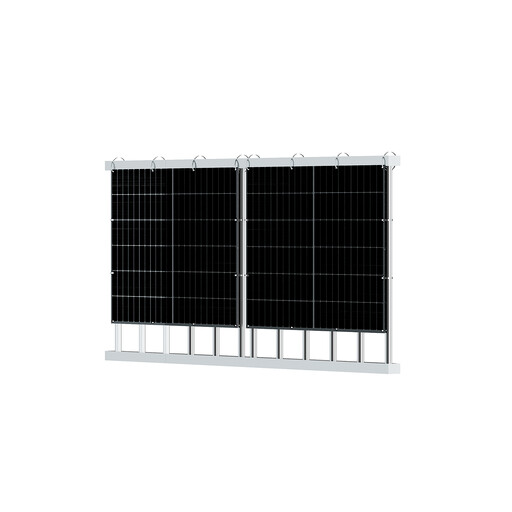
Why it suits this profile: Two 200 W panels, an MS400 microinverter, brackets and a Schuko plug make this a straightforward kit for smaller balconies and anyone looking for a modest starting point.
The 400 W output is clearly listed separately from the panel rating. This makes it easier to match the system size to your own usage and available space.
A system weight of 13 kg, IP67 protection and stated certifications for the panels and microinverter.
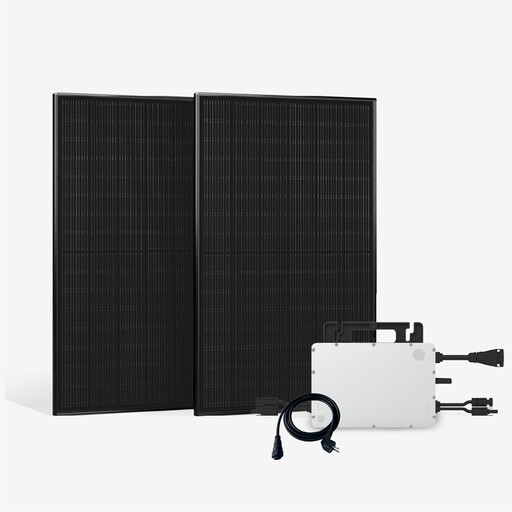
Why it suits this profile: This kit pairs 2 x 450 W solar panels with an 800 W microinverter and a 5 m AC cable. It’s a good fit for anyone looking for extra panel capacity and a mounting system.
The 900 W figure refers to the panels’ combined output; the inverter is rated at 800 W. This makes the split between the two ratings clear.
Two 450 W panels, an 800 W microinverter and a 5 m AC cable are all clearly listed as part of the kit.
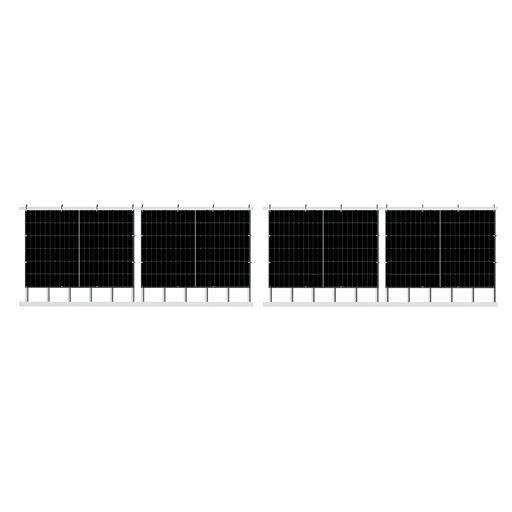
Why it suits this profile: Four flexible 200 W panels and an MS800 microinverter make this a suitable choice for people with higher daytime electricity use and limited load capacity on their balcony.
Its flexible construction and stated weight of 25 kg can make planning easier for weight-sensitive installations, but they don’t replace a check of the balcony’s structural capacity.
Maximum continuous system output of 800 W, IP67 protection and optional monitoring through the TSUN Smart App.
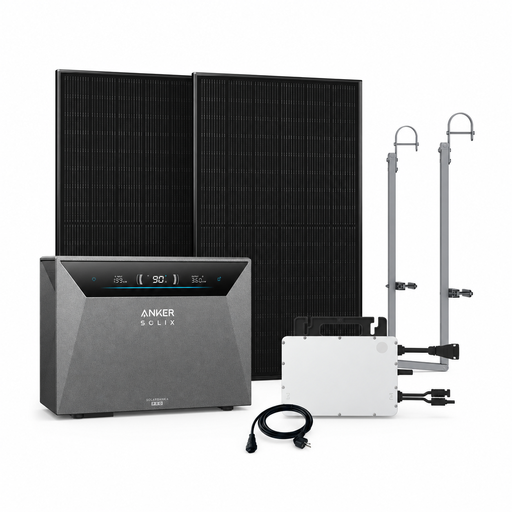
Why it suits this profile: This bundle combines the SKYWORTH kit with a battery, making it a good choice for households looking to better coordinate energy generation, storage and usage.
The product description lists the base unit, expansion battery, smart meter and Power Dock separately. Before buying, check which components are actually included.
The listed features include a 5 kWh base capacity, LFP battery technology and modular expansion; some additional components are sold separately.
We’ve put together a complete, regularly updated list of products that meet these strict selection criteria and fully comply with the safety regulations in force across the EU.
A balcony solar kit can generally be used in a rented flat. Before installation, tenants should check whether they need permission from their landlord or the residents’ association, particularly if the installation will visibly alter the façade or railing. You should also consider the installation site, weight and electrical connection.
A kit with a microinverter should be installed according to the instructions and connected using the specified AC connection. If it has a Schuko plug, it must only be connected in accordance with the manufacturer’s instructions and applicable electrical regulations. Damaged cables, unusual smells or overheating are reasons to switch the system off immediately.
It depends on your usage pattern. If you use little electricity during the day, storing energy for later use could be beneficial. The key factors are usable storage capacity, charging and discharge power, purchase cost, space requirements and compatibility. Battery storage isn’t a cost-effective necessity for every household.