
Lieferung heute & morgen

Qualitätsgarantie

Willkommens-Angebote freischalten: KOSTENLOSE Lieferung | Bis zu 80 % RABATT | Kostenlose 30-Tage-JoyPlus-Testphase
App herunterladen
800-watt electrical appliances are found in many British households: from contact grills to hot air brushes and vacuum cleaners. At first glance, the wattage looks like a simple comparison point. On its own, however, it tells you very little about how well a device will suit its intended purpose.
What really matters are the design, features, energy consumption, ease of cleaning and safety characteristics. This buyer’s guide shows what households, professionals and families should look for when shopping online.
800 W describes the electrical power consumption. For a vacuum cleaner, additional values such as the stated suction pressure, airflow design and filter construction are relevant. For a kettle or grill, the build, heating surface and insulation all influence how efficiently the energy is used.
With electric scooters, it’s also important to distinguish between rated power and maximum motor power. The Segway-Ninebot E3 Pro D, for example, is listed with 400 W rated power and 800 W maximum motor power. These figures are not interchangeable.
A device with multiple functions can save space, but it isn’t automatically right for every task. A sandwich maker with fixed plates won’t necessarily work as a contact grill. A hot air brush can’t replace a classic hairdryer for every hair length and styling need.
So check which features you’ll actually use regularly. Accessories, attachments and interchangeable parts should be clearly listed in the product description.
Non-removable plates, hard-to-reach filters or a short cable can make daily use frustrating. For coated appliances, you should also check whether metal utensils must be avoided and which parts can be cleaned with water or in the dishwasher.
Compare devices within the same product category. An 800 W contact grill and an 800 W hot air brush use energy for completely different tasks. For kitchen appliances, the heating surface, capacity and temperature control also count.
For electrical kitchen appliances used in British households, 230 V mains voltage and a suitable plug should be specified. For a kettle, capacity, keep-warm function and operation are important. A 1.5-litre model can be practical for several cups or small households, but may use more energy for a single cup than a smaller device.
Measure your intended space before buying. A device may look compact, but still needs extra room for the lid, cable or airflow.
Pay attention to:
Surfaces that come into contact with food should be clearly stated as suitable materials. For coated plates, follow the manufacturer’s cleaning instructions and use non-metallic kitchen utensils. For hot air brushes, temperature settings, cool-shot function and removable attachments matter more for practical use than the wattage alone.
With microwaves that have a grill function, note the warnings: metal objects and sealed containers must not go inside the cavity. Grill surfaces and housing parts can become hot. For an electric scooter, check the brakes, lighting, tyre type, maximum load and the road-legal approval required in the UK.
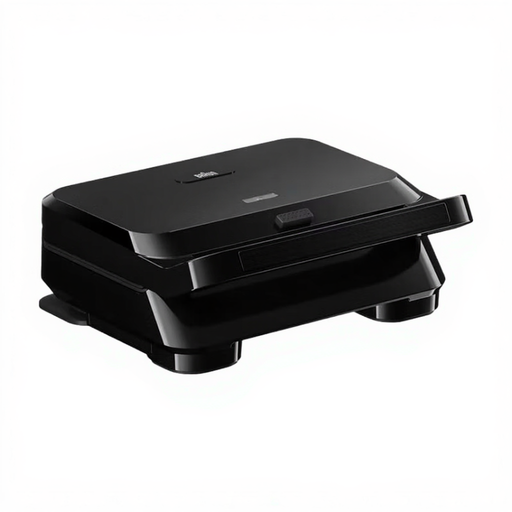
Why this product fits the profile: This compact sandwich maker is designed for simple toasties and everyday snacks, and can be stored away easily to save space.
The removable sandwich plates are dishwasher-safe according to the product information. This makes cleaning much more straightforward than with fixed plates.
800 W, PTFE non-stick coating, removable plates, dishwasher-safe and cable storage.
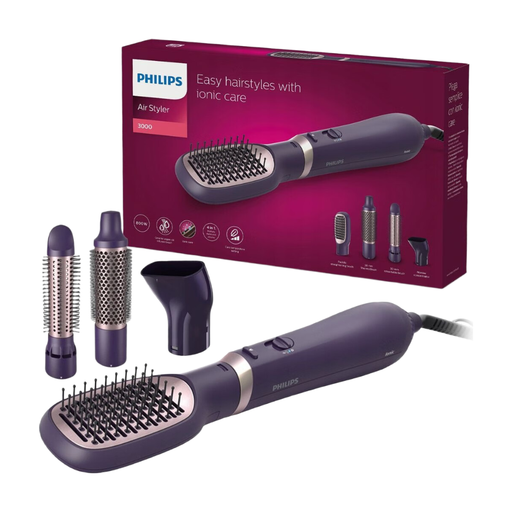
Why this product fits the profile: Four attachments, three temperature settings, two speed levels and a cool-shot option allow for tailored styling.
The temperature and speed options are clearly specified. This makes it easier to adapt the brush for dry, fine or thicker hair.
Ceramic coating, ionic function, cool shot, four attachments, 1.8 m cable and 770 g weight according to product data.
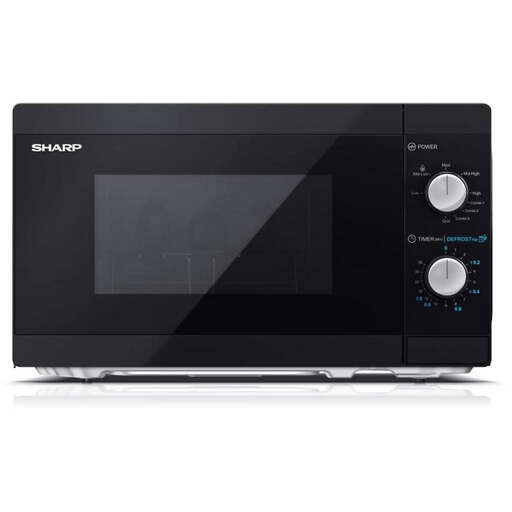
Why this product fits the profile: Ideal for small households and busy professionals, this appliance combines heating, defrosting and grilling in a 20-litre cavity.
The microwave power of 800 W and the separate grill power of 1000 W are listed individually. This avoids confusion between the operating modes.
20-litre capacity, 25.5 cm turntable, five power levels and manual rotary controls.
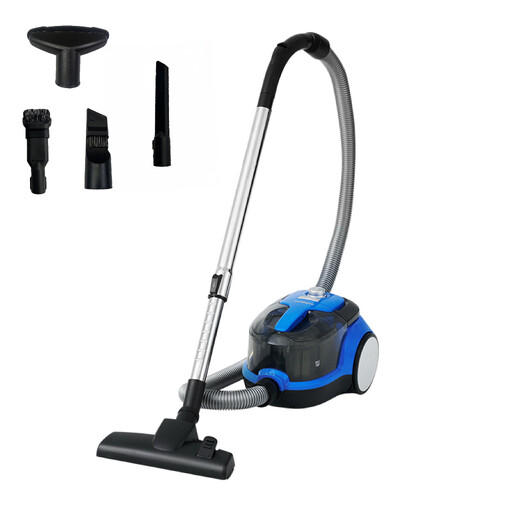
Why this product fits the profile: Multiple brush heads, a 1.1-litre dust container and automatic cord rewind support regular cleaning tasks.
The dust container is bagless and the filter is washable. Before use, the filter must be completely dry and the container correctly fitted.
800 W, stated suction pressure of 17.5 kPa, multiple attachments, washable filter and automatic cord rewind.
We’ve put together a full, regularly updated list of products that meet these strict selection criteria and all applicable EU safety regulations.
You can roughly calculate electricity costs using this formula:
Power in kW × usage time in hours × electricity price per kWh = running costs
An 800 W device equals 0.8 kW. With ten minutes of use, it consumes approximately 0.133 kWh. Actual costs depend on your individual electricity tariff and whether the device heats continuously or switches off automatically in between.
For longer-term use, these simple measures help:
No. The wattage describes the electrical power consumption. Whether a device is suitable for everyday use also depends on its construction, heating surface, motor, airflow, capacity and controls.
With a power of 800 W, one hour of operation uses 0.8 kWh. For short tasks like toasting or heating, the consumption is correspondingly lower. The exact amount depends on your electricity tariff.
Look at the mains voltage, manufacturer instructions, permitted materials, cleaning guidelines and safety features. For mobile devices like an electric scooter, also check the approval, maximum speed, brakes, lighting, load capacity and charging instructions.