
Lieferung heute & morgen

Qualitätsgarantie

Willkommens-Angebote freischalten: KOSTENLOSE Lieferung | Bis zu 80 % RABATT | Kostenlose 30-Tage-JoyPlus-Testphase
App herunterladen
An 800 W paint spraying system can speed up renovation work when power, nozzle size and material properties are properly matched. However, vague manufacturer claims, unsuitable paints and time‑consuming cleaning often lead to disappointing purchases. This buying guide shows which technical details matter before you buy and which accessories suit different applications.
A figure such as 800 W describes the motor’s electrical power draw. On its own, it doesn’t tell you how evenly a sprayer will apply paint. You also need to consider the flow rate, pressure control, nozzle size and material viscosity. A high‑wattage sprayer can still clog with paint that’s too thick or produce an uneven spray pattern.
So look for a clear statement of maximum flow rate. The TilsWall system quotes up to 1.100 ml/min. Treat this as a maximum figure; the actual value depends on the material and the settings you choose.
A paint sprayer with a 1.300 ml tank reduces refilling stops. A large container is only practical, though, if it can be removed completely and cleaned thoroughly. Dried paint or varnish can impair the nozzle, needle and seals.
Look for a removable tank with a wide opening plus cleaning accessories in the box. Clean straight after use. Depending on the paint, you’ll need water or the thinner recommended by the paint manufacturer.
A single nozzle won’t suit every surface. Broad areas such as walls call for a different spray pattern to narrow trim, furniture edges or fences. Check whether the sprayer offers multiple settings and that the nozzle sizes match the material you plan to use.
A paint sprayer for wall paint should have adjustable material feed. That lets you adapt the output to the substrate, paint type and desired coverage. According to the product information, the TilsWall system features an 800 W motor plus pressure control. The motor is separate from the handle and connected via a 2,5 m flexible hose, so you’re not holding the full motor weight in your hand.
The quoted flow rate of up to 1.100 ml/min isn’t a guaranteed working rate. Do a test spray on cardboard or a spare area before starting the main job.
A tank with 1.300 ml capacity suits small to medium renovation tasks, depending on area, material consumption and settings. For longer sessions, cable length and hose routing also matter. The system mentioned includes a 3 m mains cable and a 2,5 m air hose.
Indoors, mask the work area carefully. Overspray can settle on floors, windows, sockets and neighbouring furniture.
The TilsWall kit includes nozzles of 1,0 mm, 1,8 mm and 2,6 mm diameter. The available spray patterns are horizontal, vertical and circular. This range supports different working directions and surface shapes.
The product is stated to handle various water‑ and solvent‑based materials, including varnishes, primers, wood stains, sealers and clear coats. That doesn’t mean every material can be used without preparation. Always follow the paint manufacturer’s application notes, especially on maximum thinning, flammability and cleaning.
The recommendations below match the available products to specific tasks. The selection is based on the published technical data and the intended use.
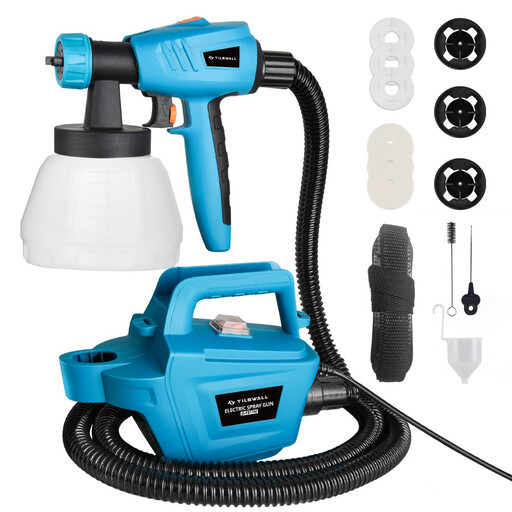
Why this product fits the profile: The sprayer combines 800 W of power with a 1.300 ml container, three nozzles and three spray patterns. It’s a good option for DIYers who want to tackle interior and exterior surfaces with a single tool.
The removable tank with a wide opening makes cleaning easier. Adjustable material feed helps you avoid an unsuitable flow rate.
800 W motor, up to 1.100 ml/min flow rate, 2,5 m hose, plus 1,0, 1,8 and 2,6 mm nozzles.
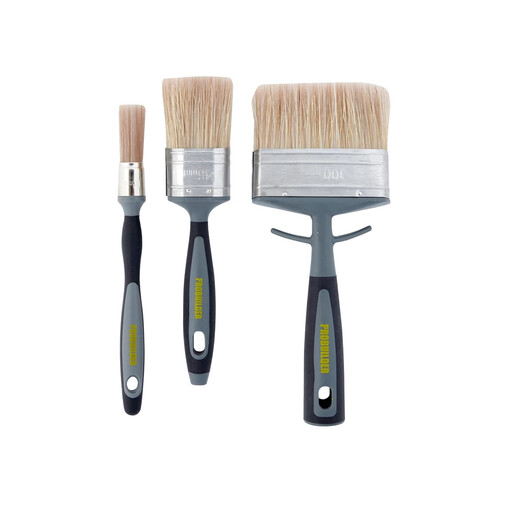
Why this product fits the profile: The three‑piece set complements a paint sprayer for edges, touch‑ups and maintaining exterior wood. It includes round, oval and flat brushes with different bristle blends.
The three widths cover different detail tasks. The handle accepts an extension pole, so you can plan for hard‑to‑reach spots.
18 mm round brush, 45 mm oval brush and 100 mm flat brush; according to the product info, PET bristles are intended for oil‑based paints and solvents.
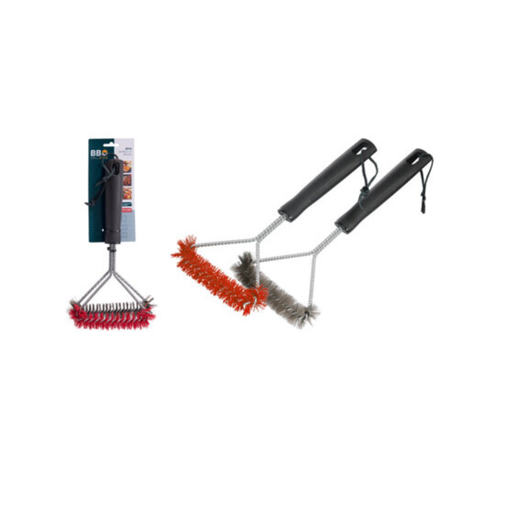
Why this product fits the profile: If you combine renovation with regular outdoor maintenance, you can keep grill‑cleaning accessories separate from your painting tools.
The description lists galvanised wire, a PP handle, plus nylon and stainless‑steel bristles. That makes the material spec clearer than brushes with no stated bristle type.
Two brushes measuring about 30,5 × 16 × 3 cm; triangular shape for cleaning grill grates.

Why this product fits the profile: This grill tool set is aimed at households that want to organise grilling, cleaning and accessory storage in one kit.
The contents are itemised, allowing buyers to check that tongs, cleaning brush, basting brush, steel and bamboo skewers, and charcoal tongs are all included.
Six‑piece accessory concept with steel tools, six reusable steel skewers and 100 bamboo skewers, according to the product description.
Before spraying, make sure substrate, paint and nozzle are properly matched. Over‑thinning can change the result; too high a viscosity can hinder material flow. Also consider:
Running costs depend mainly on paint consumption, thinner, spare parts and the effort required for cleaning. A higher flow rate isn’t automatically more economical if it creates more overspray. Even, thin coats and a test spray help to minimise waste.
We’ve put together a complete, continuously updated list of products that fully meet these strict selection criteria and the safety regulations in force in the EU.
That depends on the specific sprayer and the paint. According to the product information, the TilsWall system is listed for latex, water‑ and solvent‑based paints, primers, varnishes, wood stains and sealers. Check viscosity and the paint manufacturer’s thinning guidance in advance.
Disconnect the unit from the mains, empty the tank, and clean the tank, nozzle, needle and lines immediately after use. Only use water if it’s suitable for the material you’ve used. For solvent‑based varnishes, you’ll generally need the dedicated cleaner.
A sprayer can be intended for both if the product information states so. Indoors, masking and ventilation are especially important. Outdoors, take weather, wind and substrate temperature into account. For narrow edges, touch‑ups or delicate timber details, a supplementary wood spray gun or a suitable brush can be useful.