
Lieferung heute & morgen

Qualitätsgarantie

Willkommens-Angebote freischalten: KOSTENLOSE Lieferung | Bis zu 80 % RABATT | Kostenlose 30-Tage-JoyPlus-Testphase
App herunterladen
By the Joybuy Product Recommendation Officer, August 28, 2026
Buying a 9V battery seems like a simple task. Yet, choosing the wrong type can lead not only to quickly drained devices but, in the worst-case scenario, to safety risks. Many consumers unknowingly invest in batteries that are unsuitable for their intended application. This guide highlights the most common pitfalls and explains which technical features you need to look for to make an informed decision.
Two common mistakes often lead to frustration and unnecessary expense:
To buy the right 9V battery, it's important to look beyond its shape. The following parameters determine performance, longevity, and safety.
The chemistry inside the battery is the most critical factor. The two most common types for the 9V block are Alkaline and Nickel-Metal Hydride (NiMH).
Capacity, measured in milliampere-hours (mAh), describes how much energy a battery can store. A higher value theoretically means a longer runtime. However, for a battery for a smoke detector, another feature is often more important: shelf life. According to manufacturer specifications, a high-quality alkaline battery can be stored for up to 10 years while losing only a small fraction of its charge. This ensures it is fully ready for use when it matters most.
You'll find various names for the same battery type on packaging and devices. Don't let this confuse you:
All of these designations describe the same standardised form factor and are interchangeable.
Instead of making a one-size-fits-all recommendation, we have identified products tailored to specific use cases.
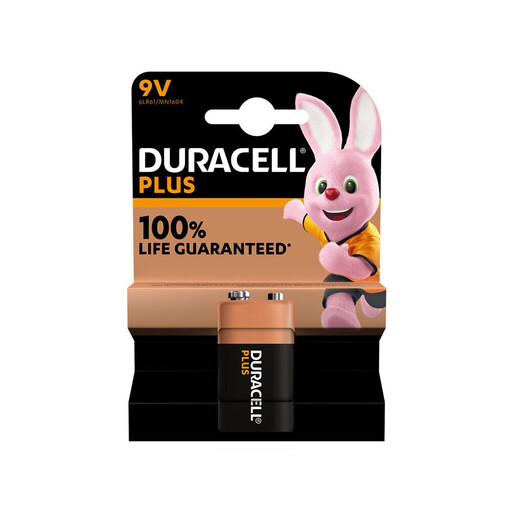
Why it's a great fit: Ideal for use in safety-critical devices like smoke and carbon monoxide detectors, where absolute reliability and a long, maintenance-free lifespan are paramount.
Directly addresses the "shelf life" pitfall with Duralock Power Preserve Technology, which allows for up to 10 years of storage without significant capacity loss, according to the manufacturer.
High leak resistance protects valuable electronics. Specifically designed for low-drain devices requiring long-term power.
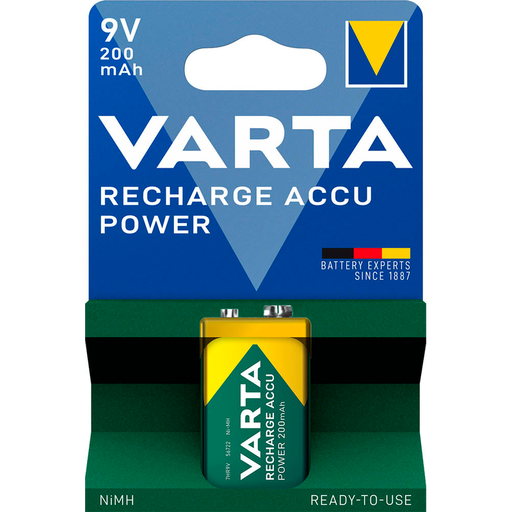
Why it's a great fit: Perfect for users who frequently use high-drain devices (e.g., microphones, measuring tools, toys) and want to reduce long-term costs and waste.
Solves the "wrong technology" pitfall for power-hungry applications by offering a rechargeable and cost-effective alternative to single-use batteries that drain quickly.
Can be recharged up to 1000 times with no memory effect, according to VARTA. "Ready to Use" technology means it comes pre-charged and is ready for immediate use.

Why it's a great fit: A solid and affordable option for everyday electronic devices like remote controls, simple digital scales, or toys where specialised high performance isn't required.
Delivers reliable alkaline performance from a trusted brand at a fair price, helping you avoid paying for premium features that aren't needed in basic devices.
Excellent value for money for daily needs. Delivers consistent power for a wide range of standard household devices.
We have compiled a complete, up-to-date list of products that fully meet these strict selection criteria and safety regulations.
The lifespan of a 9V battery in a smoke detector depends heavily on the battery's quality and the device itself. A high-quality alkaline battery typically lasts 12 to 18 months. Lithium batteries can achieve a much longer lifespan of up to 10 years but are also more expensive. Regardless of the battery type, you should test your smoke detector monthly and replace the battery immediately when you hear the low-battery warning chirp.
In many devices, this is perfectly fine and a great way to save money. However, there is one important caveat: rechargeable NiMH batteries often have a nominal voltage of 8.4 volts instead of 9 volts. Some sensitive electronic devices, particularly certain models of smoke detectors, may interpret this lower voltage as a 'low battery' and trigger a false alarm. Therefore, always check your device's user manual to see if it is approved for use with rechargeable batteries.
These are different names for the same battery standard. 6LR61 is the international IEC standard for a 9-volt alkaline block battery. E-Block 9V is a common colloquial term, particularly in German-speaking regions. Both are physically and electrically identical and can be used interchangeably.