
Lieferung heute & morgen

Qualitätsgarantie
App herunterladen
Kategorien
The 9V battery, also known as a 9V block battery or E-block, is a standardised power source for a wide variety of devices. Its characteristic rectangular shape with two snap connectors on one end makes it unmistakable. It is used in applications that require a higher voltage than conventional AA or AAA cells, from safety-critical smoke detectors to professional audio equipment. Selecting the right technology—lithium, alkaline, or zinc-carbon—is crucial for the performance and reliability of the device it powers.
The choice of a specific 9V battery should be based on the device's particular requirements. The three primary electrochemical systems show significant differences in performance, lifespan, and cost.
Lithium Batteries (e.g., 6FR61): These batteries are based on lithium-iron disulfide (Li-FeS₂) chemistry. They offer the highest energy density and an exceptionally long shelf life of up to 10 years. A key advantage is their stable performance across a wide temperature range (e.g., -40°C to +60°C). Due to their high reliability and longevity, they are the preferred choice for safety-critical devices such as batteries for smoke detectors and medical instruments. The 9V lithium battery is more expensive to purchase, but this is offset by its longer service life and less frequent need for replacement.
Alkaline Batteries (e.g., 6LR61): The 9V alkaline battery is the most common type, offering an excellent balance between performance and price. It uses zinc-manganese dioxide chemistry in an alkaline electrolyte. Alkaline batteries are suitable for devices with medium to high energy demands, such as toys, remote controls, or measuring instruments. Their shelf life is typically several years. Modern alkaline batteries often feature enhanced leak protection.
Zinc-Carbon Batteries (e.g., 6F22): This is the most cost-effective option. Zinc-carbon batteries have a lower energy density and are designed for devices with very low and constant energy consumption. Typical applications include wall clocks, basic calculators, or as a backup battery in devices that are primarily mains-powered. Their self-discharge rate is higher than that of alkaline or lithium batteries, making them unsuitable for long-term storage or safety-critical applications.
Longevity: A distinction must be made between shelf life and service life. Shelf life indicates how long an unused battery retains its charge. Service life is highly dependent on the device's energy consumption. A battery designed for long life is characterised by low self-discharge and high capacity.
Leak Protection: A leak-proof design is a crucial quality feature. Leaked chemicals can irreparably damage a device's sensitive electronics. High-quality batteries from brands like Energizer, Duracell, or VARTA feature special seals and construction to minimise the risk of leakage.
Based on technical specifications and intended applications, we present a selection of 9V batteries.
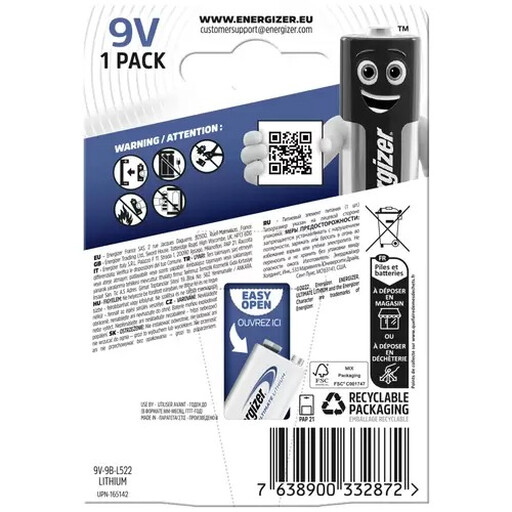
Why we recommend this product: The Energizer Ultimate Lithium 9V is engineered for maximum reliability and longevity. According to the manufacturer, its lithium technology allows for a shelf life of up to 10 years and operation in extreme temperatures from -40°C to 60°C. The leak-proof construction provides additional protection for high-value devices.
Advantages:
Who it's for: Users who need an uncompromisingly reliable power source for critical applications. This includes smoke and carbon monoxide detectors, professional audio equipment, security sensors, and medical devices.
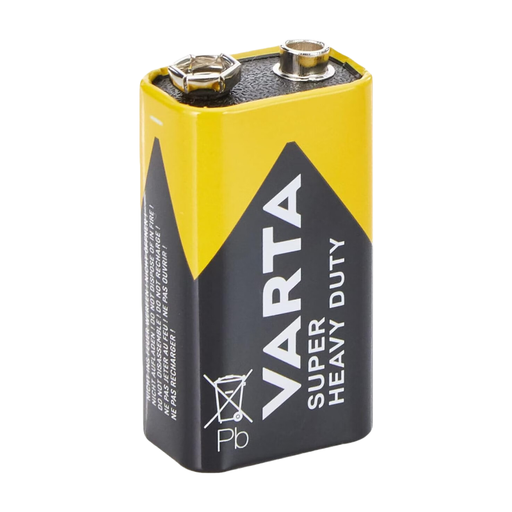
Why we recommend this product: The VARTA Superlife 9V is an economical solution for low-drain devices. As a zinc-carbon battery, it delivers reliable power for simple, everyday applications. According to VARTA, every battery is tested for voltage and leakage, ensuring consistent quality.
Advantages:
Who it's for: Users looking for a budget-friendly battery for devices with low and constant current draw, such as wall clocks, basic calculators, or infrequently used toys.
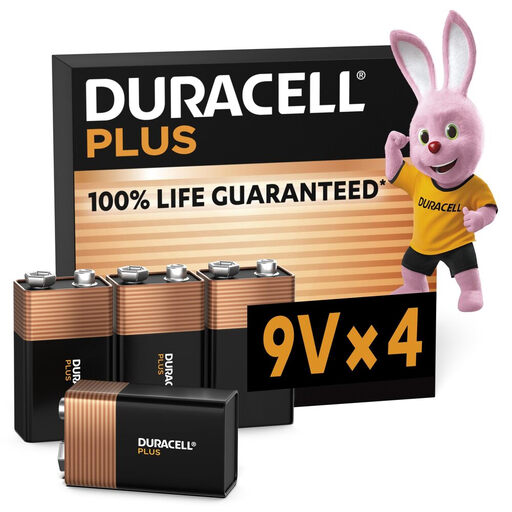
Why we recommend this product: The Duracell Plus 9V offers balanced performance for a wide range of applications. The manufacturer states it delivers up to 100% more life compared to the minimum standard in the 2021 IEC test for 9V batteries. The battery features a leak-proof seal and comes with a 5-year storage guarantee.
Advantages:
Who it's for: Users seeking a versatile and reliable alkaline battery for everyday devices like smoke detectors, toys, remote controls, and other electronics with medium energy demands.
While the 9V block battery is the right choice for many devices, more compact electronics increasingly rely on smaller formats like button cells. These offer high energy density in a minimal footprint. For devices that require a button cell, for example, you can find suitable options in our LR1130 Battery category.
1. Which 9V battery is best for smoke detectors? A 9V lithium battery is recommended for smoke detectors due to its superior reliability and longevity. Its long service life of up to 10 years minimises maintenance intervals and ensures maximum safety. High-quality alkaline batteries are a functional alternative but should be replaced according to the smoke detector manufacturer's recommendations (typically annually).
2. What is the difference between the designations 6LR61 and 6F22? These designations, according to the IEC standard, define the battery's electrochemical composition. 6LR61 indicates an alkaline battery, where "L" stands for alkali-manganese. 6F22 designates a zinc-carbon battery. The choice between these types depends on the device's energy requirements, as described above.
3. What is the shelf life of a 9V battery? The shelf life depends on the technology: