
Lieferung heute & morgen

Qualitätsgarantie

Willkommens-Angebote freischalten: KOSTENLOSE Lieferung | Bis zu 80 % RABATT | Kostenlose 30-Tage-JoyPlus-Testphase
App herunterladen
A shrill chirp from the hallway, usually in the middle of the night—the smoke detector is reporting a dead battery. Or your child's new toy dies after just a few hours. Choosing the right 9V battery might seem trivial, but the wrong decision can be more than just annoying—it can be expensive. Many people grab the first deal they see, unaware of the subtle but crucial differences.
As your Joybuy Product Recommendation Officer, I see it as my duty to guide you through the jungle of technical specs and marketing promises. In this guide, we'll highlight the most common pitfalls and show you what really matters to ensure your devices are powered reliably and for a long time.
Before we dive into the technical details, let's look at the typical traps that often lead to frustration and unnecessary expenses.
To avoid these mistakes, you only need to look at three core parameters. These will help you make an informed decision that is perfectly tailored to your needs.
Choosing the right technology is the first and most important step. The two most common types are Alkaline and Nickel-Metal Hydride (NiMH).
For safety-critical or expensive devices, protection against leaks is a must. Look for manufacturer claims about special protection mechanisms. Some brands guarantee a specific shelf life without the battery losing performance or leaking. A shelf life of 5 to 10 years is a good indicator of high-quality construction and materials. This is especially relevant if you are storing batteries for an emergency supply.
Not every 9V battery delivers power in the same way. Manufacturers often offer different series for various applications:
To make your choice easier, we have matched some products from our range to different user profiles.
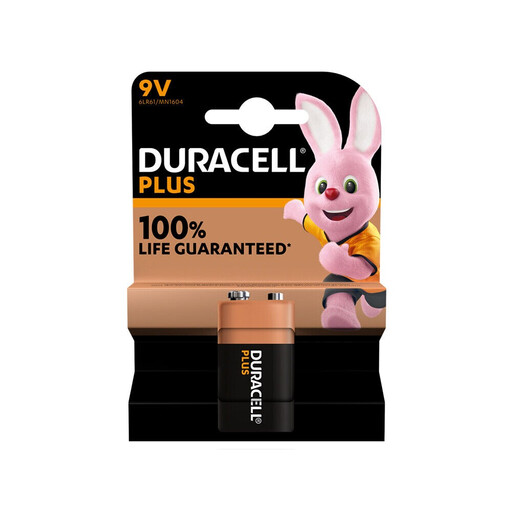
Why This Fits Their Persona: Ideal for anyone who needs an absolutely reliable power source for smoke and carbon monoxide detectors. Its long shelf life provides peace of mind, ensuring the battery is ready to use even after years in storage.
It bypasses the pitfalls of short lifespan and unreliability. Duralock technology guarantees power for up to 10 years in storage, and its high-quality construction protects against leaks.
Long shelf life thanks to Duralock Power Preserve technology. Specially recommended for safety-critical devices with low, continuous power drain.
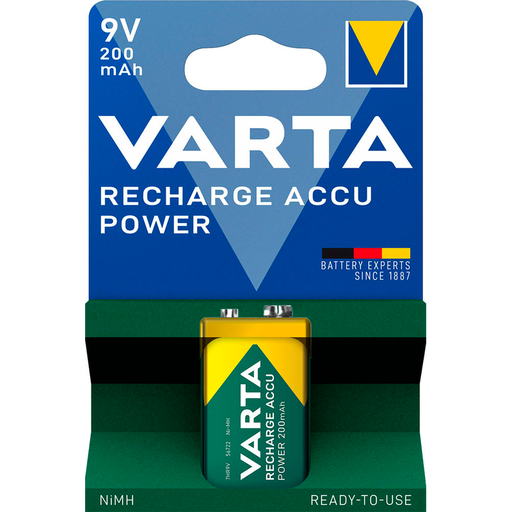
Why This Fits Their Persona: Perfect for users of high-drain devices like microphones, toys, or measuring instruments. Being rechargeable lowers long-term costs and helps the environment by reducing waste.
This rechargeable battery solves the problem of constantly buying disposable ones. It's designed for high-demand devices, thus avoiding the rapid power depletion seen with standard alkaline batteries.
Rechargeable up to 1,000 times with no memory effect. Thanks to "Ready to Use" technology, it's ready for immediate use out of the package.
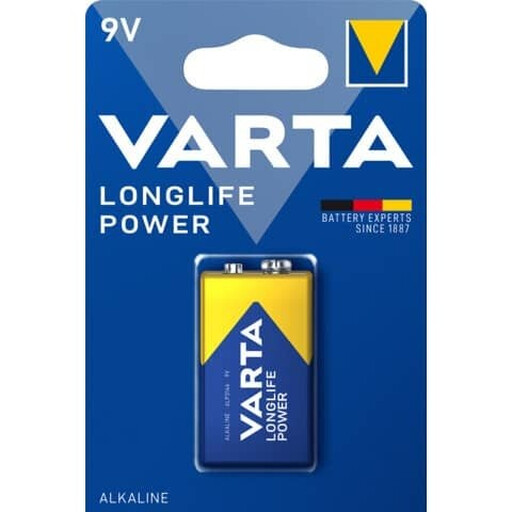
Why This Fits Their Persona: This battery is designed for devices with high and often intermittent power demands, such as motorized toys, electronic games, or audio equipment. It delivers the necessary power right when it's needed.
It prevents the rapid drain that occurs when using standard batteries in power-hungry devices. This results in a longer usage time and fewer battery changes.
Delivers approx. 23% more power compared to the brand's standard alkaline batteries, according to VARTA. Mercury- and cadmium-free composition.
We have compiled a complete, up-to-date list of products that fully meet these strict selection criteria and relevant safety regulations.
The lifespan of a 9V battery in a smoke detector depends heavily on the battery's quality and the device itself. High-quality alkaline batteries from major brands are designed to last at least one year in smoke detectors. Many smoke detector manufacturers recommend changing the battery annually to ensure it remains operational. Always follow the device manufacturer's instructions.
The decision depends on your device's power consumption.
Yes, especially low-quality or very old batteries can leak. The leaking fluid is corrosive and can damage electronics. If you discover a leaking battery, carefully remove it while wearing gloves. Clean the battery contacts inside the device with a dry cloth or a cotton swab lightly dampened with vinegar or lemon juice to neutralize the alkaline substance. Dry the contacts thoroughly before inserting a new battery. Dispose of leaking batteries properly at a designated collection point.