
Lieferung heute & morgen

Qualitätsgarantie

Willkommens-Angebote freischalten: KOSTENLOSE Lieferung | Bis zu 80 % RABATT | Kostenlose 30-Tage-JoyPlus-Testphase
App herunterladen
A dead 9V battery can be more than just an annoyance—in a smoke detector, it becomes a safety hazard, and in a measuring device, it brings your work to a halt. However, simply grabbing the first model you see on the supermarket shelf often leads to disappointment: the battery dies quickly, is unsuitable for the device, or, in the worst-case scenario, even leaks. To save you from these experiences, we'll show you the crucial criteria for selecting the right 9V battery and how to avoid common purchasing pitfalls.
Before we dive into the technical details, let's highlight the two main reasons why many buyers are left unsatisfied. Understanding these is the first step toward making the right choice.
You don't need to be an engineer to make the right choice. It's enough to understand three basic characteristics that determine performance and longevity.
The technology inside the battery is the most important factor. Each type has its specific pros and cons.
Capacity, measured in milliampere-hours (mAh), indicates how much energy a battery can store. A higher mAh rating generally means a longer runtime. However, shelf life is just as important. A high-quality, long-lasting 9V battery will lose very little of its charge even after several years in a drawer. This is a crucial criterion, especially for batteries intended for emergencies (torches) or safety devices (smoke detectors).
To put theory into practice, we have selected a few models from our range that are suitable for specific user groups.
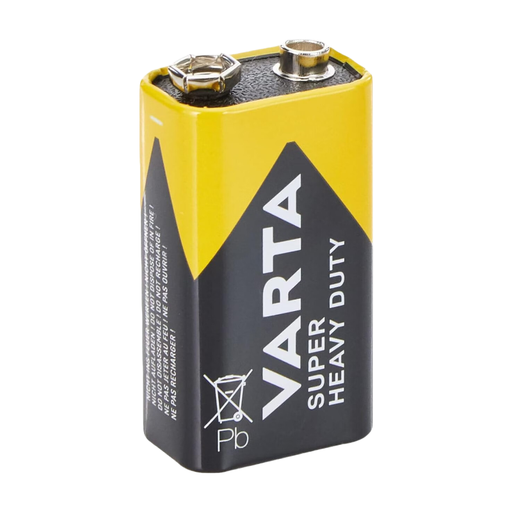
Why this model is a good fit: Ideal for users looking for a cost-effective solution for devices with minimal energy needs, such as simple remote controls, clocks, or calculators, where operating cost is the main priority.
This model avoids the "one-size-fits-all" trap by being used specifically for its intended, very limited application (low-drain). You don't pay for performance you don't need.
Very low purchase price for suitable low-power devices. Delivers reliable energy within its intended use case.

Why this model is a good fit: Perfect for homeowners who need an absolutely reliable power source for smoke and fire detectors. No compromises should be made when it comes to safety-critical devices.
This alkaline battery is specifically designed for devices with fluctuating power demands and for a long, reliable service life. It prevents the fatal mistake of using an unsuitable battery in a safety device.
Flexible and long-lasting power delivery. A quality "Made in Germany" product designed for use in smoke detectors and other critical devices.
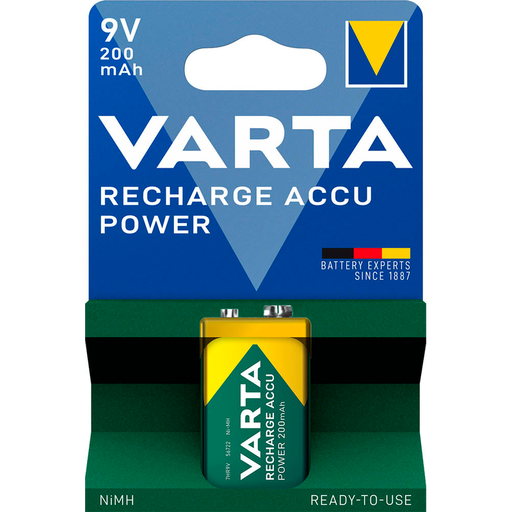
Why this model is a good fit: The right choice for musicians with wireless microphones, technicians with measuring instruments, or families with battery-operated toys. Perfect for any situation where 9V batteries are consumed regularly and quickly.
This rechargeable battery avoids the cost trap of constantly buying disposable batteries for high-consumption devices. The initial investment (including a charger) pays for itself quickly and reduces waste.
Rechargeable (up to 1000 times, according to the manufacturer) with no memory effect. This saves money in the long run and is better for the environment. Ready to go immediately thanks to "Ready-to-use" technology.
We have compiled a complete, real-time list of products that fully meet these strict selection criteria and German safety regulations.
1. How often should you change the battery in a smoke detector? For maximum safety, it is recommended to change the 9V battery in a smoke detector at least once a year, even if it is not yet dead. A good reminder is to do it on a fixed date, such as when the clocks change. As soon as the device emits the low-battery warning chirp, it must be replaced immediately. Use only high-quality alkaline batteries, like the VARTA 9V block, or special lithium batteries for this purpose.
2. What does the designation 6LR61 on a 9V battery mean? This is the international IEC standard designation for a 9V alkaline block battery. The code breaks down as follows: the 6 stands for the six internal cells connected in series to achieve 9 volts. The L indicates the chemical composition (Alkaline). The R stands for the cell's shape (round), and 61 is a size designator. This standard helps you identify the correct battery type across different manufacturers.
3. Can I replace a zinc-carbon battery with an alkaline one? Yes, in almost all cases, this is possible and represents a significant upgrade. An alkaline battery offers higher capacity, a longer lifespan, and better leak resistance than a zinc-carbon battery. However, going the other way—replacing an alkaline battery with a zinc-carbon version—is not recommended, especially for devices with medium to high power demands or for safety-critical applications.