
Lieferung heute & morgen

Qualitätsgarantie

Willkommens-Angebote freischalten: KOSTENLOSE Lieferung | Bis zu 80 % RABATT | Kostenlose 30-Tage-JoyPlus-Testphase
App herunterladen
The right baking tin is the foundation for every perfect cake. However, the market is flooded with products whose promises often don't hold up to reality. An inferior pan can not only ruin your baking results but also quickly become unusable. As your Joybuy Product Recommendation Officer, I'm here to help you identify the common pitfalls and make an informed decision that suits your baking ambitions.
Many baking tins look solid at first glance, only to reveal their weaknesses during use. Watch out for these three common problems to avoid disappointment and unnecessary expense.
To avoid these pitfalls, you should check three core parameters before buying. These define the quality, durability, and functionality of your future cake pan.
The choice of material directly impacts baking results and handling.
A good non-stick coating is crucial for longevity. Look for multi-layered, ceramic-reinforced, or specially developed high-temperature coatings. These are more resistant to scratches and wear. Regardless of the quality, a universal rule applies: never use metal utensils in coated pans and always clean them by hand with a soft sponge.
Consider what you plan to bake most often.
Here are some recommendations tailored to specific needs and use cases.
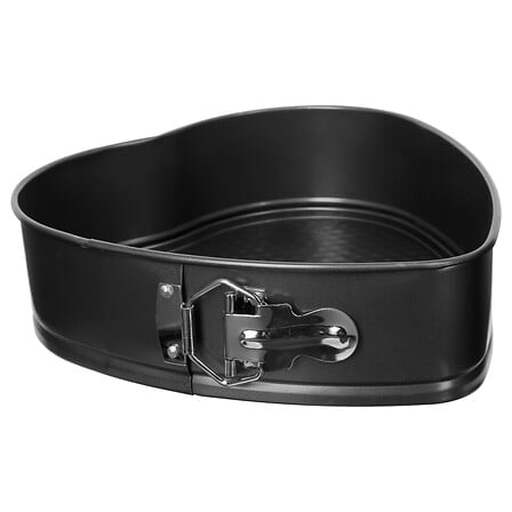
Why this model is a great fit: Ideal for those who bake for special occasions like birthdays or Valentine's Day without wanting to invest in professional-grade equipment immediately. The heart shape offers a special visual appeal.
The steel construction provides solid structural stability, preventing the warping that occurs with very cheap metal pans. The springform mechanism is functional and reliable for entry-level use.
Allows for easy release of cakes with a delicate structure thanks to the springform design. The special heart shape is a bonus for creative baking projects.
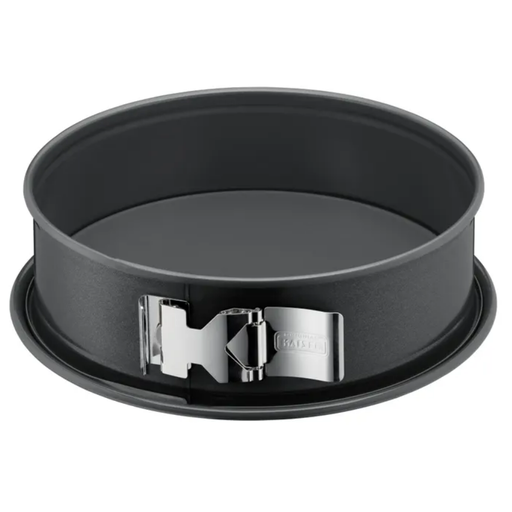
Why this model is a great fit: For ambitious home bakers who value durability, reliability, and perfect baking results. An investment in a tool that delivers consistent performance for years to come.
Addresses all three core problems: The high-quality non-stick coating is durable, the heavy-gauge steel prevents warping, and the SafeClick latch ensures a leak-proof seal.
The ergonomic SafeClick latch is easy to operate and closes with absolute security. The robust construction and the manufacturer's stated 10-year guarantee* underscore its commitment to quality.
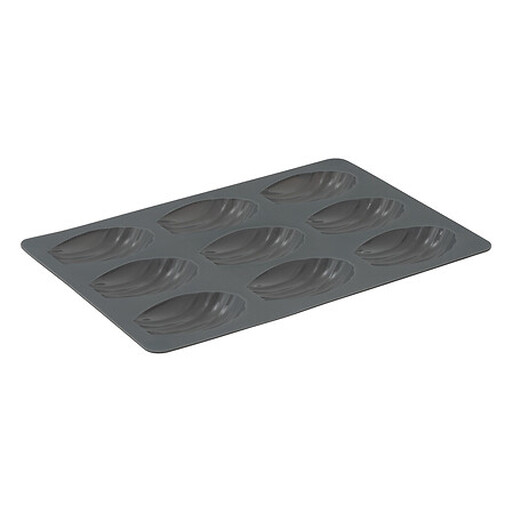
Why this model is a great fit: For lovers of French p?tisserie who want to bake authentic madeleines with the classic shell shape and characteristic "hump." A specialised tool for a perfect result.
The highly flexible silicone mould ensures that the delicate ridges of the madeleines don't break upon release—a common problem with rigid metal pans. The precise shaping delivers authentic results.
The combination of classic shell geometry and modern, food-grade silicone allows for damage-free release and very easy cleaning, even in the dishwasher.
For baking enthusiasts who value high flexibility and easy handling, we have curated a selection of silicone moulds that meet strict quality criteria.
1. How do I properly care for a non-stick baking pan to extend its lifespan? After it has cooled, clean the pan by hand with warm water, mild washing-up liquid, and a soft cloth or sponge. Avoid abrasive cleaners and steel wool. When baking, only use utensils made of wood, plastic, or silicone to avoid scratching the coating.
2. Are silicone moulds suitable for all types of batter and dough? Generally, yes. They are excellent for sponge cakes, muffins, brownies, and also for chilled or frozen desserts. However, for doughs that are meant to develop a particularly crispy crust (e.g., shortcrust pastry for a tart), a metal pan may be more advantageous due to its superior heat conduction and more direct browning.
3. My springform pan is leaking. What can I do? For very runny batters, it can help to tightly wrap the outside of the closed pan with aluminium foil where the base and ring meet. However, this is only a temporary fix. In the long term, it indicates wear and tear or imprecise manufacturing. Switching to a model with a high-quality, tight-locking latch and a precision-fit base is advisable in this case.