
Lieferung heute & morgen

Qualitätsgarantie

Willkommens-Angebote freischalten: KOSTENLOSE Lieferung | Bis zu 80 % RABATT | Kostenlose 30-Tage-JoyPlus-Testphase
App herunterladen
A cordless wet & dry vacuum that vacuums and mops simultaneously promises to be a significant time-saver for any household. However, the market is flooded with devices backed by grandiose marketing claims that often fail to deliver in practice. Many buyers find that after just a few months, their expensive device is gathering dust in a corner because it's impractical to use or its cleaning performance has degraded.
As your Joybuy Product Recommendation Officer, I'm here to help you identify the common pitfalls and understand the features that truly matter. This guide focuses on the objective criteria that define a good wet & dry vacuum, enabling you to make an informed decision.
Before we dive into the technical details, let's highlight the three most common issues that lead to dissatisfaction. Knowing these is the first step to avoiding a bad purchase.
To avoid the problems mentioned above, you should focus on three core parameters when choosing a cordless wet-dry vacuum. These determine the actual cleaning performance and everyday usability.
Suction power, often specified in Pascals (Pa), is a key indicator of the device's ability to effectively pick up dirt and water. For a hard floor cleaner designed to handle damp and sticky messes, a suction power of over 10,000 Pa is a good benchmark. Also, pay attention to the motor type. Modern brushless motors (BLDC) are generally more durable, energy-efficient, and quieter than conventional brushed motors. They provide consistently high suction, which is particularly advantageous for picking up pet hair.
An effective stick vacuum with mopping function must have two separate containers: a clean water tank and a dirty water tank. This is the only way to ensure you are always mopping with clean water and that the collected dirt is hygienically isolated.
For self-cleaning, a station with hot air drying is a game-changing advantage. After the rinsing cycle, a stream of warm air dries the brush roller and internal channels. This effectively prevents odour and bacteria growth and significantly reduces manual maintenance.
Battery capacity is measured in milliampere-hours (mAh). A higher value potentially means a longer runtime. However, it's more important how the manufacturer specifies the runtime across different power levels (e.g., Standard, Turbo). Look for devices that offer a runtime of at least 25-30 minutes in Standard Mode. This is a realistic figure for cleaning medium-sized living spaces without needing to recharge mid-clean. A cordless vacuum is only practical if its range suits your home.
Based on the objective criteria above, we have identified a few models that represent a considered choice for different user profiles.
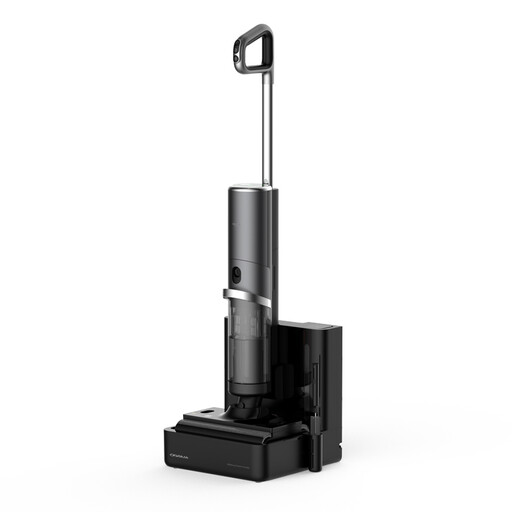
Why This Fits Their Persona: This model is aimed at users seeking a fully automated cleaning solution. The all-in-one base station not only refills the water tank automatically but also features hot air drying and intelligent dirt detection that adjusts suction power accordingly.
The integrated hot air drying in the station actively counteracts odour build-up. The edge-to-edge design minimises uncleaned areas, and the runtime of up to 40 minutes is practical even for larger households.
Fully Automated Station: Automatic water refilling and hot air drying. Intelligent Dirt Detection: Automatically adjusts power based on the level of dirt.
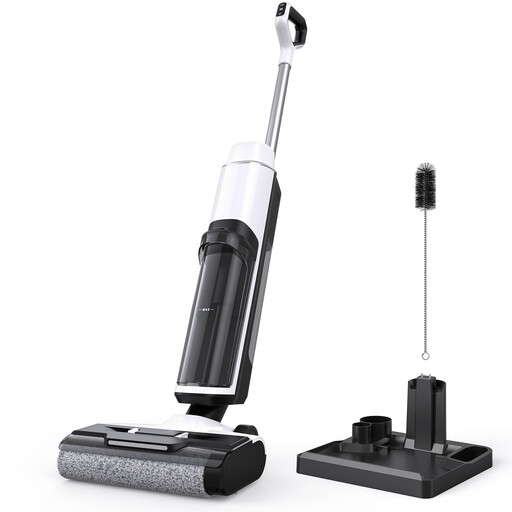
Why This Fits Their Persona: For households with children and pets where unexpected messes are a daily occurrence. This device combines powerful 15,000 Pa suction with a large 910 ml clean water tank for uninterrupted cleaning.
The dual-sided edge brush provides improved cleaning along walls. The self-cleaning function in the station thoroughly rinses the brush, and its low weight of 3.85 kg makes it easy to handle.
High Suction Power: 15,000 Pa is effective against pet hair and coarse dirt. Large Water Tank: 910 ml clean water tank for longer cleaning sessions. Lightweight Design: Easy to manoeuvre at just 3.85 kg.
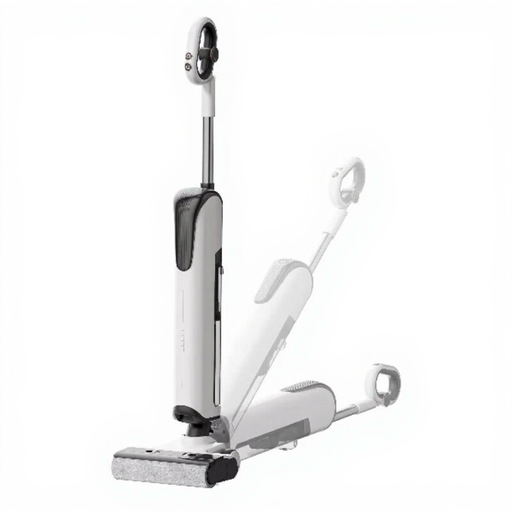
Why This Fits Their Persona: A solid choice for users looking for a reliable combination of vacuuming and mopping in one without paying for high-end features. The device offers powerful 17,000 Pa suction and a self-cleaning station with a drying function.
According to the manufacturer, the station dries the brush with 60°C hot air, which prevents odour build-up. The suction power is high enough for most everyday messes, and the runtime of up to 35 minutes is sufficient for apartments and smaller houses.
Strong Suction Power: 17,000 Pa for a thorough clean. Air Drying: The station includes a drying function for hygienic maintenance. Smart Mode: Adjusts cleaning power to the detected level of dirt.
We have compiled a complete, up-to-date list of products that fully meet these strict selection criteria and UK/EU safety regulations.
Most cordless wet & dry vacuums are designed exclusively for hard floors such as tile, laminate, vinyl, and sealed hardwood. The rotating wet brush is unsuitable for carpet fibres and can damage them. A few models offer special brush rollers for a superficial refresh of low-pile carpets, but they do not replace a traditional vacuum cleaner. Always check the manufacturer's specifications regarding suitability for different floor types.
Odour build-up is almost always due to residual moisture and bacteria in the dirty water tank, hoses, or brush roller. Run the self-cleaning cycle after each use. Empty and rinse the dirty water tank immediately. If your device does not have a drying function, remove the brush roller and filter and let all parts air dry completely before reassembling the unit.
The lifespan of consumables depends heavily on the frequency of use and the type of dirt. HEPA filters should be replaced every 3 to 6 months, depending on the manufacturer's recommendation, to ensure optimal filtration performance. The brush roller should be regularly inspected for wear and tear and replaced when cleaning performance diminishes, typically after 6 to 12 months.