
Lieferung heute & morgen

Qualitätsgarantie

Willkommens-Angebote freischalten: KOSTENLOSE Lieferung | Bis zu 80 % RABATT | Kostenlose 30-Tage-JoyPlus-Testphase
App herunterladen
Lentils are a staple ingredient in many cuisines worldwide. Your choice depends primarily on two factors: the desired preparation time and the final texture of the dish. Therefore, the first step in your purchasing decision is choosing between dried lentils and pre-cooked canned lentils. This guide analyses the technical differences and practical use cases to help you make the right choice when you order lentils online.
Choosing the right type of lentil is crucial for the final result. Both options offer specific advantages that are important depending on your needs.
Dried lentils are the traditional form, offering maximum flexibility in the kitchen. They are available in various types, such as brown lentils, red lentils, or mountain lentils.
Pre-cooked lentils are a time-saving alternative for quick meals.
Based on different user needs, we present three products that cover common use cases.
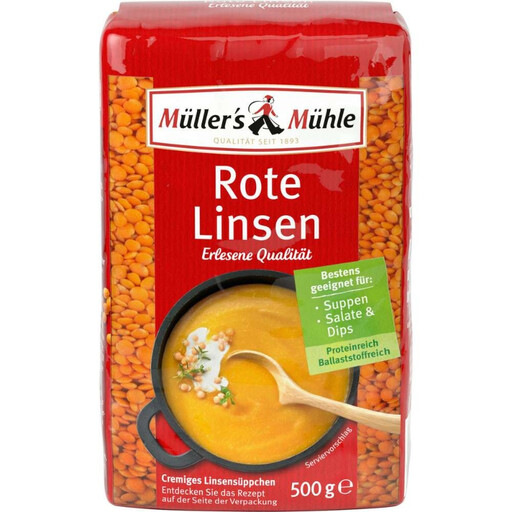
Why we recommend this product: These hulled red lentils stand out for their very short cooking time of 5–10 minutes and require no pre-soaking. Their tendency to break down quickly during cooking results in a creamy texture, making them ideal for specific dishes.
Advantages:
Who it's for: Individuals looking for a base for a quick lentil soup, Indian dhal, or vegan spreads, who value a creamy, thick consistency.
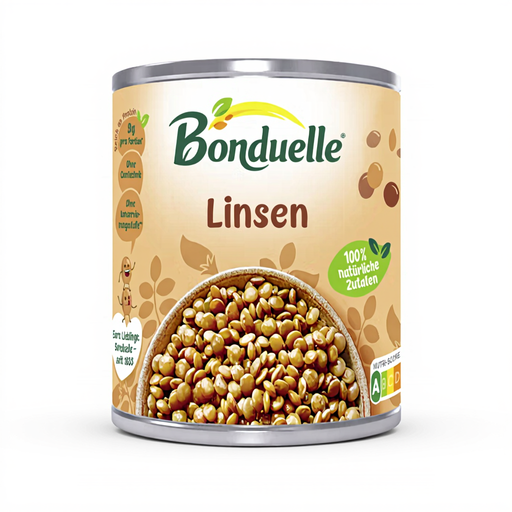
Why we recommend this product: Bonduelle Lentils are a convenience solution for quick and easy cooking. As a pre-cooked canned product, they eliminate all preparation time. They are ready to use instantly.
Advantages:
Who it's for: Consumers with limited time who need a quick and nutritious component for salads, bowls, or side dishes. Also practical for the office kitchen or camping.
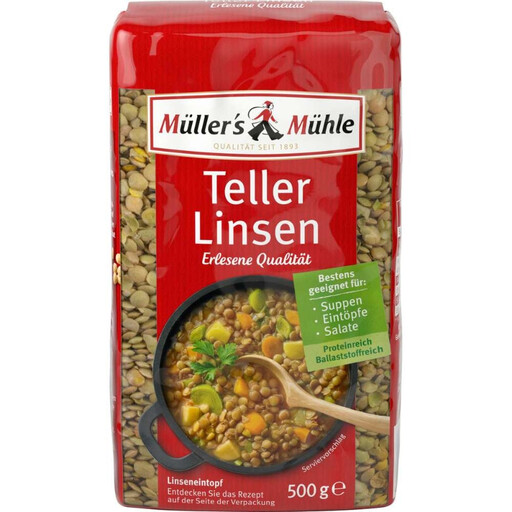
Why we recommend this product: The brown lentils from Müller's Mühle are a classic choice for traditional, hearty cuisine. With a diameter of 6–7 mm, they hold their shape during cooking and have a slightly mealy yet firm texture.
Advantages:
Who it's for: Home cooks and fans of traditional comfort food who want to prepare an authentic lentil stew, a classic lentil soup, or a robust lentil salad.
The products featured here cover the most common use cases. However, the spectrum of lentils is much broader, including varieties like black Beluga lentils or green Puy lentils, each with its own cooking properties and flavour profiles. If you are looking for these or other specialities, you can find a more comprehensive selection in our main category.
Discover the entire range of lentils here
1. Do you need to wash lentils before cooking? Yes, it is advisable to briefly rinse dried lentils in a sieve under running water before preparation. This removes any dust or small debris. A long soak is only useful for reducing the cooking time of certain varieties like brown or mountain lentils; it is not necessary for red or yellow lentils.
2. Which lentils are best for lentil soup? That depends on the desired consistency. For a creamy, purée-style lentil soup, red lentils are the right choice as they break down quickly. For a clear soup or a stew where you want the lentils to hold their shape, brown lentils or mountain lentils are a better fit.
3. Are canned lentils as nutritious as dried lentils? Both varieties are a good source of protein and fibre. The nutrient content is comparable, although canned versions may have slightly lower levels of heat-sensitive vitamins due to the processing. Additionally, canned lentils often contain added salt. Cooking dried lentils gives you the advantage of controlling the salt content yourself.