
Lieferung heute & morgen

Qualitätsgarantie

Willkommens-Angebote freischalten: KOSTENLOSE Lieferung | Bis zu 80 % RABATT | Kostenlose 30-Tage-JoyPlus-Testphase
App herunterladen
LEGO vehicle building sets combine building, play and display. The range includes everything from simple LEGO City vehicles and LEGO Speed Champions to more technically advanced LEGO Technic vehicles. That variety can make it harder to compare sets: an eye-catching model isn’t necessarily right for the recipient’s age, patience or intended use.
The age recommendation is more than a marketing detail. A set for ages 5 and up usually has larger building steps, less complex mechanisms and a clear focus on play. LEGO vehicles for ages 5 and up, such as a taxi, are therefore better suited to role-play and first building experiences. Models for ages 9 or 10 and up may include lots of small pieces, more intricate building steps and moving features.
Small pieces can also pose a choking risk. Always check the warnings on the packaging, whatever type of vehicle you’re looking for.
A higher piece count doesn’t automatically mean more useful features. A compact LEGO car with 275 pieces may make an interesting display model, while a larger set with figures, an interior and accessories may be better suited to role-play. Consider the recipient’s age, how long the build will take, how movable the finished model is and whether it will be played with regularly or mainly displayed.
A finished vehicle often takes up more space than you might expect from the packaging. A bus or Technic model can be much longer than a typical LEGO model car. Before you buy, compare the dimensions with the space available on a shelf, play mat or in a display cabinet. A soft, dry cloth is usually all you need for cleaning; plastic bricks don’t require water or strong cleaning products.
Check the recommended age range and any warning about small pieces. For younger children, a LEGO building set for children with a manageable number of pieces and simple building steps is usually more practical. Sets for older children and adults may focus more on details, licensed themes and technical features.
For products sold in Germany, you should also check the manufacturer’s information, warnings and, where indicated, the CE marking. The details provided for the individual product are the ones that matter.
The piece count gives you a rough idea of the build, but it doesn’t replace the dimensions. Here are a few examples from the range:
With LEGO Technic vehicles, it’s worth checking the specific mechanisms: moving pistons, steering, suspension, doors and pneumatic functions have more of an impact on the building and play experience than the model’s overall size.
LEGO City vehicles, a LEGO bus or a camper are great for role-play with figures. LEGO race cars, Ferrari models and vehicles from LEGO Speed Champions are more likely to appeal to fans of motorsport, film vehicles and collectibles. Technic models are a good fit for anyone interested in construction and how mechanisms work.
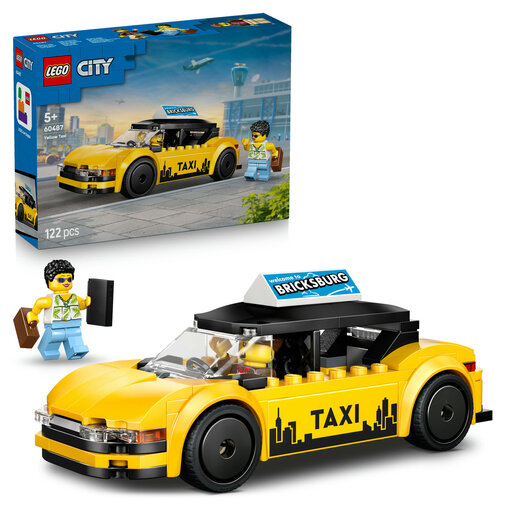
Why this product suits this profile: With 122 pieces, two minifigures and a recommended age of 5 and up, this taxi offers an accessible introduction to LEGO City vehicles.
The recommended age, piece count and model dimensions are clearly stated, making it easier to gauge the build before you buy.
122 pieces, 13 cm long, a removable roof and storage space for role-play.
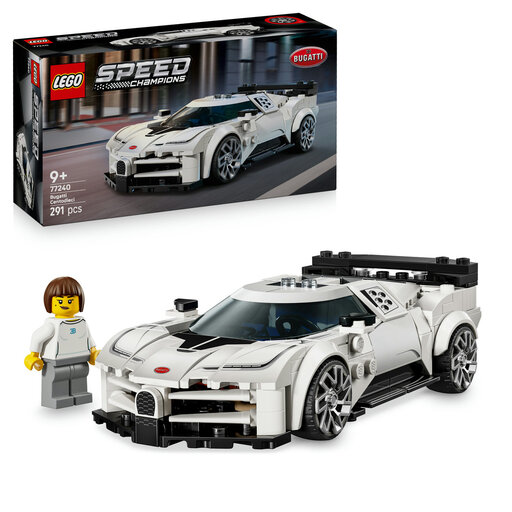
Why this product suits this profile: This model is designed for fans of detailed sports cars. Once built, it can be played with or displayed on a shelf.
The description highlights specific bodywork details, including air intakes, headlights, a rear wing and four exhaust pipes, rather than making vague promises about the design.
291 pieces, 15 cm long and includes a driver minifigure; recommended for ages 9 and up.
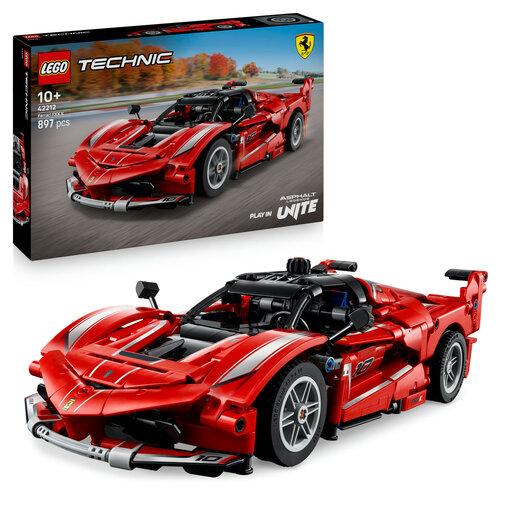
Why this product suits this profile: This LEGO Ferrari model combines a substantial building project with visible moving technical features, making it a good choice for motorsport and Technic fans aged 10 and up.
The features are clearly specified: butterfly doors, an engine cover, a V12 engine with moving pistons and a differential.
897 pieces, 29 cm long and several moving features for building and display.
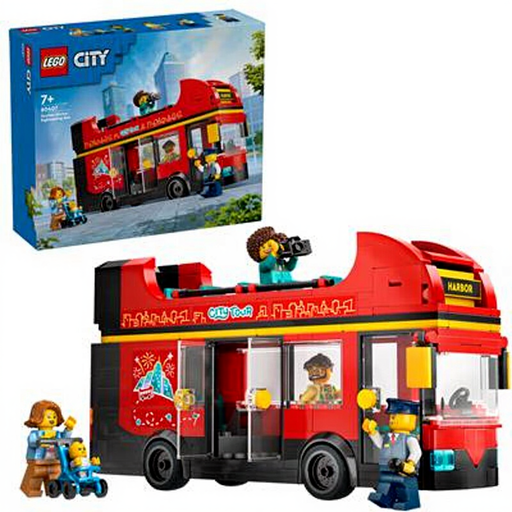
Why this product suits this profile: Suitable for ages 7 and up, this LEGO bus includes several figures, an open-top sightseeing deck and changeable destination signs for recreating city scenes again and again.
Its role-play potential is clear from the five minifigures, accessories and adjustable destination sign.
384 pieces, five minifigures and a 21 cm-long double-decker bus with a removable or open play area.
We’ve put together a comprehensive, regularly updated list of products that meet these strict selection criteria and fully comply with the safety regulations in force in the EU.
For children aged 5 and up, a set with a manageable number of pieces and simple role-play possibilities is usually a good choice. The LEGO City Taxi 60487 is designed for this age group, with 122 pieces and two minifigures. You should also take the child’s individual ability to concentrate and the safety warnings into account.
How long it lasts depends on how it’s stored, how much it’s used and how moving parts are handled. You can remove dust with a soft cloth. If models are stored somewhere dry and not handled roughly, they can be enjoyed as toys or display pieces for a long time. Lost pieces can often be reordered from the relevant manufacturer; check availability for the specific set.
It depends on how the set will be used. LEGO Speed Champions usually focuses on compact vehicle replicas with detailed bodywork and display appeal. LEGO Technic vehicles, on the other hand, more often offer mechanical features such as steering, suspension and moving engine components. If you’re choosing a LEGO gift for a car fan, first consider whether design or engineering matters more.