
Lieferung heute & morgen

Qualitätsgarantie

Willkommens-Angebote freischalten: KOSTENLOSE Lieferung | Bis zu 80 % RABATT | Kostenlose 30-Tage-JoyPlus-Testphase
App herunterladen
The term "flip cover" describes far more than just a simple phone case. It represents an intelligent design principle that combines protection and functionality through a folding mechanism. From the classic flip case for a smartphone to the modern USB stick with a flip mechanism and the innovative foldable smartphone – the idea is always the same: a sensitive part is securely covered when not in use.
But the market is flooded with products whose design promises more than their construction can deliver. Before you make a decision, it's important to know the typical weak points that often only become apparent after a few weeks of use.
Many products with a flip function look practical at first glance but prove to be unreliable in everyday life. Pay special attention to these three common flaws to avoid a bad investment.
To avoid the problems mentioned above, you should base your selection on objective criteria. The following three parameters are crucial for the longevity and practical utility of your flip product.
The robustness of the hinge or folding edge is paramount. For a flip case, the connection between the front and back should be reinforced. Flexible yet durable materials like TPU (Thermoplastic Polyurethane) combined with a solid synthetic leather are a good choice here. For a USB stick with a flip mechanism, models made of metal, such as a zinc alloy, are significantly more durable than those made of plastic. If you want to buy a flip phone, pay attention to the manufacturer's specifications on hinge durability and to protection classes like IP54, which certify basic resistance to dust and splashing water.
The material determines not only the look but, more importantly, the level of protection.
A good flip product is precisely tailored to its intended use. On a phone case, all cutouts for the camera, ports, and buttons must be exactly placed and easily accessible. A phone case with a stand function must offer a secure hold at various angles without collapsing. With a wallet case, the card slots should be sized to hold cards securely, yet allow them to be easily removed without bulging the case.
Based on these criteria, we have identified some products that represent a considered choice for different user profiles.
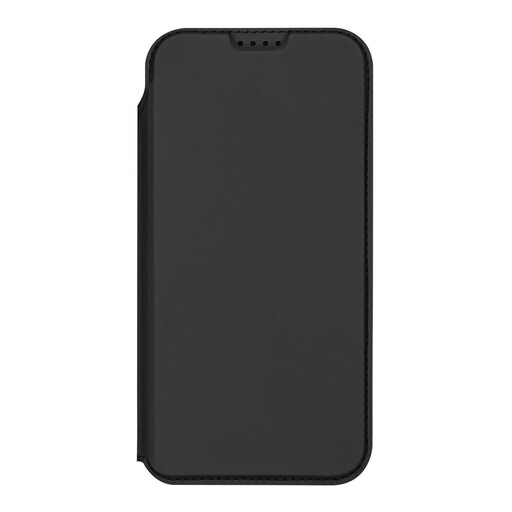
Why This Fits Their Persona: Ideal for users seeking reliable screen protection and basic additional features like a card slot and a stand function without a large budget. A pragmatic solution for daily use.
The case combines a flexible TPU inner shell that absorbs shocks with a solid PU exterior. This proven construction avoids the weakness of a pure hard plastic or overly thin folding edge.
Integrated wallet case for one card and a stable phone case with a stand function. Offers a balanced ratio of protection, function, and slim design.
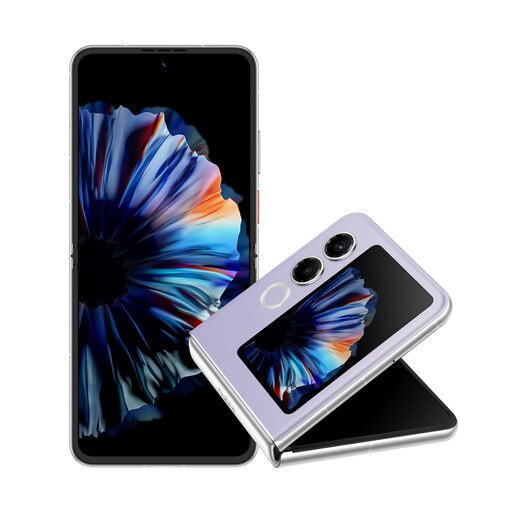
Why This Fits Their Persona: For users who want to experience the flip concept in its most modern form. This foldable smartphone combines a compact design with the full power of a current high-end device – ideal for tech enthusiasts.
The flip mechanism here is not an accessory feature but the core of the device's design. The aluminum housing and IP54 certification for dust and splash protection attest to a robust construction.
Large 6.9-inch OLED display with 120 Hz when unfolded, a powerful 50 MP camera, and a compact format for your pocket. The decision to buy a flip phone is rewarded here with modern technology.
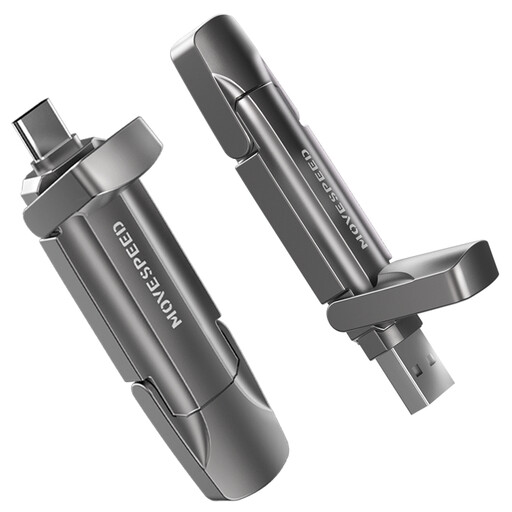
Why This Fits Their Persona: Perfect for anyone who regularly transfers large amounts of data between different devices (laptop, tablet, smartphone). The high speed is ideal for 4K video files, backups, and as external storage for mobile work.
The USB stick's flip mechanism is made of a robust zinc alloy, not fragile plastic. This reliably protects the connectors during mobile use and prevents defects from material fatigue.
Extremely high transfer speeds (up to 1090 MB/s read, according to the manufacturer). The dual connector (USB-A and USB-C) ensures maximum compatibility with modern and older devices.
We have compiled a complete, up-to-date list of products that fully meet these strict selection criteria and safety regulations.
1. Does a flip cover really offer better protection than a regular case? Yes, especially for the display. The main advantage of a flip case is protecting the screen from scratches, dirt, and impacts when the device is carried in a bag or backpack, for example. However, the overall protection in a fall depends heavily on the material of the inner holder – here, flexible TPU offers good shock absorption.
2. How long does the flip mechanism on a good flip case last? The lifespan depends on the intensity of use and the quality of the material. With daily use, a high-quality case with a reinforced folding edge should easily last the typical two-to-three-year lifespan of a smartphone. Models with very thin, unprotected plastic folding points should be avoided.
3. Are wallet cases practical or just bulky? It's a trade-off between functionality and convenience. For carrying one or two essential cards (e.g., ID, bank card), they are extremely practical and can replace a separate wallet for short trips. However, if you try to replace a full wallet, they quickly become too thick, no longer close flush, and lose their protective effectiveness. Models with one to three card slots generally offer the most balanced solution.