
Lieferung heute & morgen

Qualitätsgarantie

Willkommens-Angebote freischalten: KOSTENLOSE Lieferung | Bis zu 80 % RABATT | Kostenlose 30-Tage-JoyPlus-Testphase
App herunterladen
By a Joybuy Product Recommendation OfficerUpdated July 28, 2026
Fruit drinks are a convenient option for a quick vitamin boost or as an on-the-go thirst quencher. However, the market is overwhelming, and many products don't deliver on the promises made by their colourful packaging. If you're not careful, you might end up buying expensive sugar water instead of a nutritious beverage. This guide will help you identify the key quality indicators and make an informed choice that suits the needs of you and your family.
On supermarket shelves, juices, smoothies, and squeeze pouches compete for shoppers' attention. Marketing terms like "natural" or "with real fruit" are everywhere, but they often conceal products with low nutritional value. Here are the three most common pitfalls:
To make a conscious decision, you should check three core parameters. These will help you objectively assess the quality of a fruit drink.
The foundation of a good fruit drink is the fruit itself. Check the ingredients list carefully:
For a nutritious smoothie, the fruit purée content should be as high as possible. A vegan smoothie should also not contain any dairy products like yoghurt powder.
As mentioned, the total sugar content is what matters. Drinks with no added sugar are a good starting point, but always compare the "of which sugars" value in the nutrition facts. For children, in particular, products with a moderate sugar content are preferable. Some manufacturers offer special, low-acid juices that are better tolerated by sensitive stomachs.
Special requirements apply to the very young. Products like a squeeze pouch for babies or a toddler juice from 1 year are specifically tailored to the needs of infants and toddlers. Pay attention to the following points:
Based on these objective criteria, we have selected a few products from our range that are suitable for different user profiles.
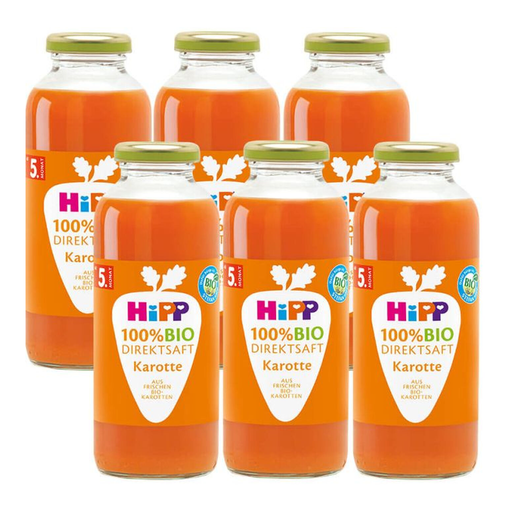
Why it's a good fit: This drink is specially designed for parents who want to introduce their baby to their first juices from the 5th month. The combination of fruit and carrot is mild and low in acid, which is ideal for an infant's sensitive digestive system.
The product is EU organic certified and contains no added sugar. The sugar content comes exclusively from the vegetables and fruits. With 99% juice content, it avoids the low-fruit-content trap.
A low-acid formula made from organic ingredients, specifically tailored to the nutritional needs of babies. Contains Vitamin C.
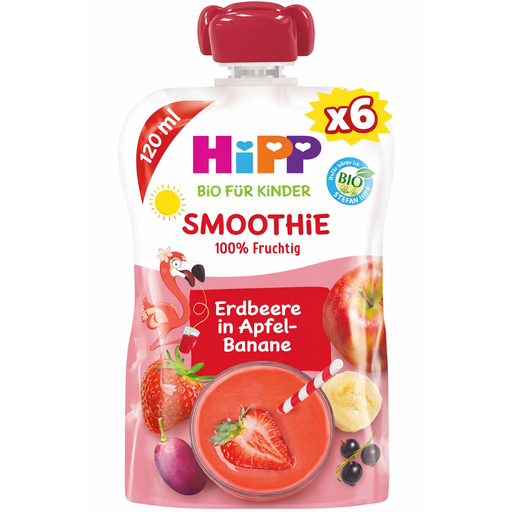
Why it's a good fit: For active families looking for a simple and nutritious snack for toddlers. The squeeze pouch is ideal for outings, as it can be used without a spoon or mess.
Consists of 100% organic fruits (80% purée, 20% juice) and contains no added sugar or flavourings. The EU organic seal confirms the origin of the ingredients. The high fruit content is clearly declared.
A practical, resealable squeeze pouch. The formula is vegan, gluten-free, and lactose-free, making it suitable for many children with intolerances.
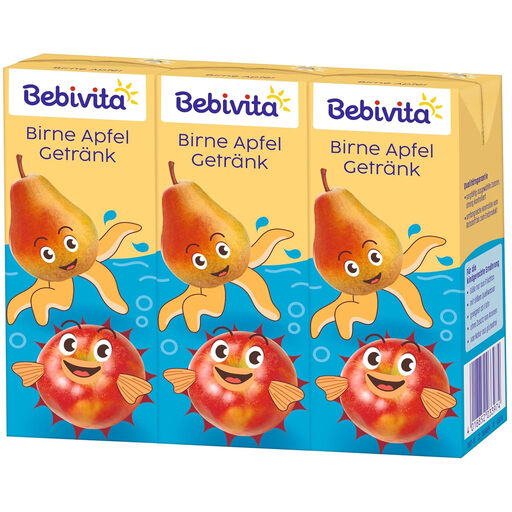
Why it's a good fit: This drink is a great choice for parents looking for a light thirst quencher for their children from 1 year of age. By mixing fruit juice with still spring water, it is less sweet and lower in calories than pure juice.
The product is transparently declared as a mix of water and juice, thus avoiding the low-fruit-content trap. It contains no added sugar, which limits the total sugar content to 3.2 g per 100 ml.
Significantly reduced sugar and calorie content compared to 100% juices. The formula is gluten-free and has no added flavourings, making it well-tolerated by toddlers.
We've compiled a complete, up-to-date list of products that fully meet these strict selection criteria and regulations.
Look for the "no added sugar" label on the front of the packaging. Additionally, check the ingredients list for terms like sugar, glucose syrup, fructose, or fruit juice concentrate. A final look at the "Carbohydrates, of which sugars" line in the nutrition facts will give you the exact amount of naturally occurring sugar and allow for a direct comparison between products.
Some manufacturers offer special baby juices suitable for infants from 5 or 6 months. These are typically low in acid and made from organic ingredients. It is recommended to dilute juices, especially at the beginning, with boiled water in a 1:2 ratio. Always follow the age recommendation on the product and consult your paediatrician or midwife if you are unsure.