
Lieferung heute & morgen

Qualitätsgarantie

Willkommens-Angebote freischalten: KOSTENLOSE Lieferung | Bis zu 80 % RABATT | Kostenlose 30-Tage-JoyPlus-Testphase
App herunterladen
The idea of a household robot that not only vacuums and mops but also cleans itself is alluring. Modern devices promise almost completely autonomous floor care. However, the market is filled with marketing promises that often fail to deliver in practice. Before you make an investment, it's crucial to understand the most common pitfalls that can lead to disappointment.
Many users discover after their purchase that their "fully automatic" device requires more manual work than expected. Three problems are particularly common:
To avoid these problems, you should look for specific technical features that distinguish a genuine household assistant from a mere gimmick.
An advanced robot vacuum with an auto-empty station does more than just empty the dustbin. Three functions are critical to ensuring hygienic, low-maintenance operation:
A robot vacuum with edge cleaning needs more than just a side brush. Look for innovative mechanical solutions:
A robot vacuum with intelligent dirt detection uses sensors (often optical or acoustic) to analyse the level of dirt. Instead of just increasing suction power, it adapts its strategy. For example, when detecting liquids or sticky stains, the device prioritises the mopping process and passes over the area multiple times. For dry dirt, it optimises suction power and may reduce the side brush speed to avoid scattering particles.
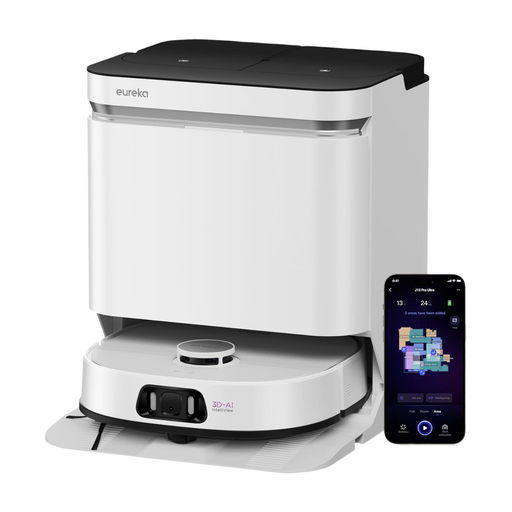
Why This Fits Their Persona: This model is designed for users seeking maximum time savings and minimal maintenance. The fully automatic station handles nearly every task, from mop washing to water refilling.
The 75°C hot water cleaning and 55°C hot-air drying directly address the hygiene problem. The Flex-Arm design enables precise edge cleaning that far surpasses the performance of standard round robots.
The 8-in-1 functional base offers a high degree of automation. The FlexiRazor anti-tangle technology is especially beneficial for households with pets.
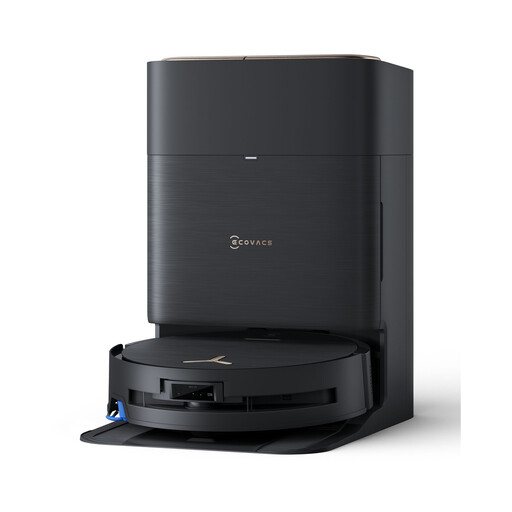
Why This Fits Their Persona: Ideal for users who prioritise hygiene and the removal of pet hair and allergens. The combination of high suction power and thermal mop treatment ensures clinical-level cleanliness.
The temperature-controlled mop washing (40-75°C) and 63°C hot-air drying combat germs and odours. The TruEdge 2.0 technology with its extendable mop solves the problem of unclean edges.
The OZMO rolling mop continuously self-cleans and operates with high pressure. The AI Stain Detection 2.0 applies targeted cleaning strategies for different types of stains.
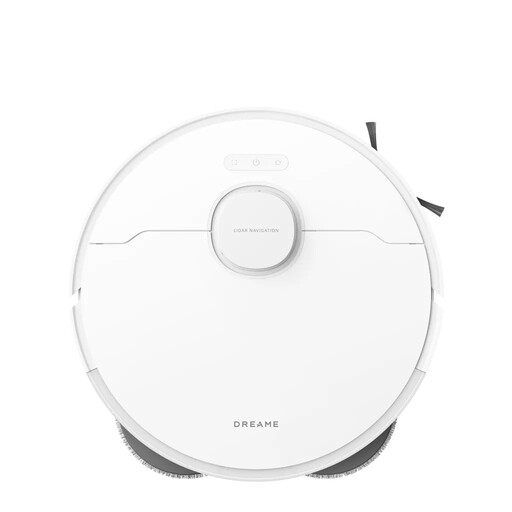
Why This Fits Their Persona: For users who value high suction and mopping performance but can forgo a fully automatic station with a hot water function. The focus here is on the pure cleaning performance of the robot itself.
Although it lacks a hot water station, the DuoScrub mopping system with high pressure avoids the pitfall of superficial mopping. The RoboSwing technology improves edge cleaning compared to basic models.
The DuoScrub system, with two high-speed rotating mops, removes even dried-on stains. The automatic mop-lift of 7 mm on carpets reliably protects them from moisture.
We have compiled a complete, up-to-date list of products that fully meet these strict selection criteria and rigorous safety standards.
Even an advanced station is not completely maintenance-free. The dirty water tank must be emptied every few days to once a week, depending on usage. The fresh water tank must be refilled accordingly. The dust bag in the station typically has a capacity for 60-90 days. Most manufacturers recommend a basic manual cleaning of the washing unit and sensors every 1-2 months to ensure optimal performance.
The hot water cleaning takes place exclusively inside the sealed cleaning station to clean the mop pads. The robot itself mops the floor with room-temperature water. Therefore, the hot water function does not come into direct contact with your floor, making it safe for all sealed hard floors such as parquet, laminate, tile, or vinyl.
For users who value a gapless cleaning result, the premium is justified. Standard robots often leave a visible, uncleaned strip along walls and furniture. Models with extendable mops or a special design reduce this strip to a minimum (often under 2 mm). This is particularly noticeable in corners and hard-to-reach areas and saves you from manual touch-ups.