
Lieferung heute & morgen

Qualitätsgarantie

Willkommens-Angebote freischalten: KOSTENLOSE Lieferung | Bis zu 80 % RABATT | Kostenlose 30-Tage-JoyPlus-Testphase
App herunterladen
Large-format documents such as blueprints, design drafts, or A3-sized artistic works place special demands on transport and storage. An unsuitable portfolio can quickly lead to bent corners, unsightly creases, or even damage. The goal of this article is to provide you with a structured overview of the essential features of a high-quality A3 portfolio and to present a selection of models designed for professional and creative use.
The right choice of portfolio depends on your specific use case. Whether for an architecture firm, a design studio, or university, the following criteria will help you make an informed decision.
The material is a key determinant of the portfolio's longevity and protective function. An A3 cardboard portfolio offers a good balance between light weight and sufficient rigidity for everyday office use or for transport between appointments. Models made from reinforced cardboard or with a special surface treatment offer additional protection against wear and moisture. For transporting particularly delicate original drawings or prints, a more robust A3 art portfolio made of plastic or with reinforced edges can be a sensible alternative.
A secure closure is crucial to prevent your documents from falling out during transport. An A3 folder with an elastic strap is a proven classic in this regard. Elastic corner straps that stretch over two corners provide a firm and reliable hold. Ensure that the elastic bands are robust and that the eyelets they pass through are metal-reinforced to prevent the cardboard from tearing with frequent use.
The required capacity depends on whether you are transporting single sheets or entire stacks of projects. Most standard portfolios are designed for a capacity of up to 50 sheets (of 80 g/m? paper). For better organisation, inner flaps can be useful. These three flaps (usually on the long sides and one short side) prevent sheets from sliding around inside the portfolio and offer additional protection for the edges. Such an A3 project portfolio is particularly well-suited for securely storing structured documents.
Based on the criteria mentioned, we have compiled a selection of models that stand out for their functionality and material quality.

Why It Stands Out This model from Pelikan is distinguished by its "Quick-Open" mechanism, which, according to the manufacturer, allows for fast, one-handed opening and filling. The design in a vibrant green and the integrated labelling tabs at the top edge combine functionality with an appealing look.
Key Features
Who It's For This A3 document portfolio is ideal for professionals and students who frequently need quick access to their documents and value efficient organisation.
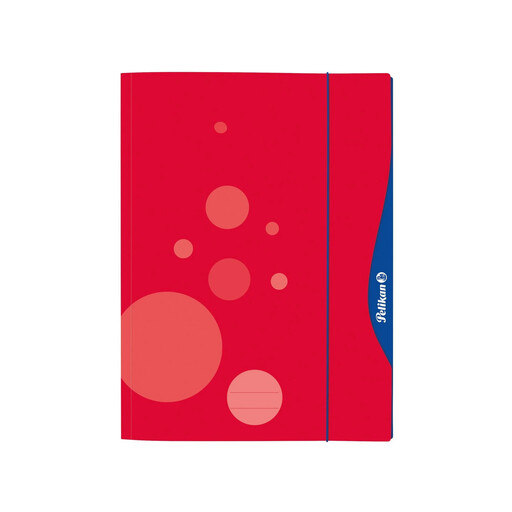
Why It Stands Out The red version of the Pelikan portfolio combines the same high functionality with a bold colour scheme. The focus here is also on the efficient "Quick-Open" mechanism, designed for rapid handling in dynamic work environments.
Key Features
Who It's For Perfect for users who need a robust and eye-catching portfolio for presentations, reports, or transporting architectural drawings, and who rely on fast access times.

Why It Stands Out Finished in classic blue, this model offers a timeless and professional aesthetic. It also features the signature "Quick-Open" mechanism for one-handed access, combining it with a solid construction.
Key Features
Who It's For An excellent choice for use in the office, for conferences, or for anyone who needs a classic, functional, and durable portfolio for their large-format documents.
The models presented cover many use cases. However, if you are looking for different materials, closure types, or designs, you will find a wider selection in our range.
? Discover more models in our Binders & Office Supplies category
1. What is the difference between a document portfolio and an art portfolio? An A3 document portfolio is typically made of cardboard and is used for general organisation and light transport of documents. An A3 art portfolio is often made of a more robust material like plastic or reinforced board, sometimes water-resistant, and equipped with carrying handles to better protect valuable original drawings or artworks.
2. How many sheets fit into an A3 portfolio? The capacity varies by model. The Pelikan portfolios presented here are designed for a capacity of up to 50 sheets of standard 80 g/m? paper. With thicker paper or cardstock, the sheet count is reduced accordingly.
3. How can I best protect A3 documents from creasing? Choose a portfolio made of a sturdy, rigid material that doesn't bend easily. Be careful not to overfill the portfolio. The inner flaps of an A3 file portfolio also help to keep the sheets flat and the corners protected. When carrying it in a larger bag, the portfolio should be placed upright or flat on top of other stable items.