
Lieferung heute & morgen

Qualitätsgarantie

Willkommens-Angebote freischalten: KOSTENLOSE Lieferung | Bis zu 80 % RABATT | Kostenlose 30-Tage-JoyPlus-Testphase
App herunterladen
A new notebook is more than just blank pages; it's a tool for ideas, plans, and memories. Yet, the sheer number of options can be overwhelming. It's often only after a purchase that you discover the chosen model doesn't meet your needs. This guide will help you identify the crucial features to make an informed decision.
Many notebooks look appealing at first glance but reveal their weaknesses only with use. Watch out for these three common pitfalls to avoid buyer's remorse:
To avoid these issues, you should check three key product features before buying. These are what ultimately determine your notebook's functionality and durability.
Paper weight, measured in Grams per Square Meter (GSM), is a crucial indicator of paper quality. It tells you how thick and durable the paper is.
The way the pages are held together affects both durability and writing comfort.
The size and extra features should match your intended use.
Based on these criteria, we have identified a few models that are well-suited for specific needs.
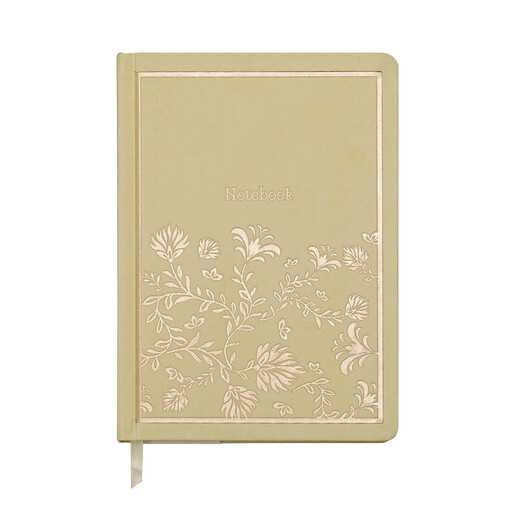
Why This Fits Their Persona: Ideal for journaling or as a beautiful notebook for personal thoughts. The fabric cover with its floral motif and embossed details offers an appealing tactile and visual experience that goes beyond pure function.
The 100 GSM paper is thick enough to prevent ink bleed-through from most pens. The sturdy hardcover reliably protects the pages.
Combines an aesthetic fabric cover with high-quality paper; includes a ribbon marker and elastic closure.
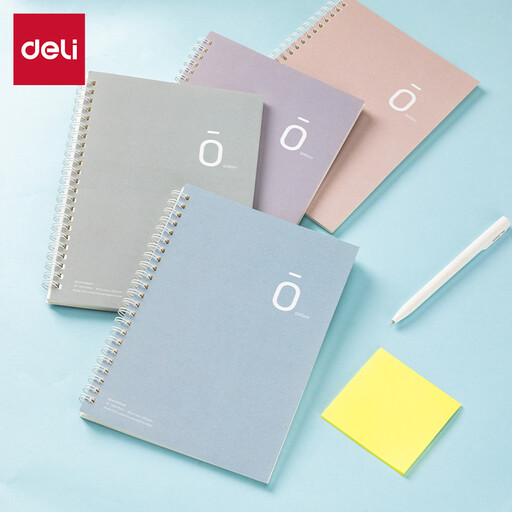
Why This Fits Their Persona: For students and professionals who need a functional and budget-friendly notebook set for daily use. Ideal for taking notes in lectures or meetings where practicality is paramount.
The spiral binding prevents the spine from breaking and ensures the notebook lays flat or can be folded back completely—a clear advantage over rigid perfect binding.
High functionality thanks to the spiral binding; excellent value for money in a 4-pack.
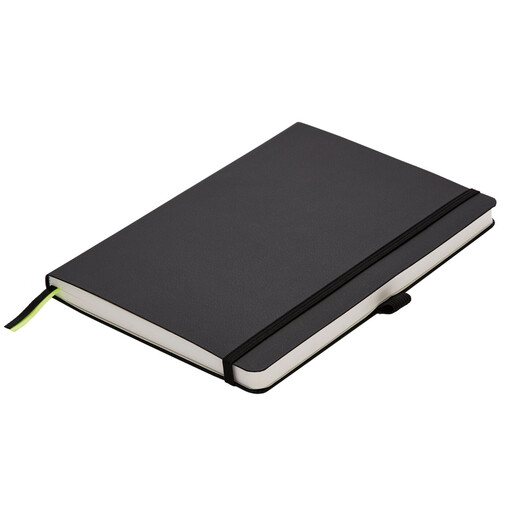
Why This Fits Their Persona: For users seeking a durable, functional, and presentable journal for adults or a notebook for important professional records. The focus is on quality and thoughtful details.
The Smyth-sewn binding ensures maximum durability, while the 90 GSM paper provides a pleasant writing experience with fountain pens without bleeding through. The flexible softcover is easy to handle.
High-quality "Made in Germany" craftsmanship with practical details like a pen loop, two ribbon markers, and a back pocket.
We've compiled a complete, up-to-date list of products that fully meet these strict selection criteria and all relevant regulations.
1. What paper weight is suitable for fountain pens? For fountain pens, a paper weight of at least 90 GSM is recommended. Papers of 100 GSM or more generally offer even greater ink resistance and reliably prevent ink from ghosting or feathering.
2. What is the difference between a Smyth-sewn and a perfect-bound notebook? In a Smyth-sewn notebook, the page signatures are stitched together, creating a very durable and flexible binding that lays flat. With perfect binding, loose sheets are simply glued to the spine. This method is less durable and can break under heavy use.
3. Can I use a journaling notebook for university? Yes, absolutely. A good journaling notebook often features high-quality paper (e.g., 100 GSM) and a durable binding. These qualities also make it an excellent notebook for school and office, especially if you value a pleasant writing experience and the longevity of your notes.