
Lieferung heute & morgen

Qualitätsgarantie

Willkommens-Angebote freischalten: KOSTENLOSE Lieferung | Bis zu 80 % RABATT | Kostenlose 30-Tage-JoyPlus-Testphase
App herunterladen
A new notebook is a blank slate full of possibilities. But that excitement can quickly fade when the pages come loose after a few weeks or ink bleeds through to the other side. Many buyers focus on attractive designs, overlooking the critical quality features that determine a notebook's longevity and functionality.
Before you invest in another notebook that just gathers dust on a shelf, you should know the three most common pitfalls:
To make an informed decision that meets your needs, it helps to understand a notebook's fundamental parameters. These three factors are the primary determinants of quality and utility.
Paper thickness, measured in grams per square metre (g/m?), is the most important criterion for preventing ink from showing through.
The way the pages are held together affects handling and durability.
The choice of cover depends on its intended use. A hardcover notebook offers maximum protection for the pages and is ideal for important notes that need to be archived. A softcover is lighter, more flexible, and better suited for transport and less formal notes.
Instead of making a one-size-fits-all recommendation, we have identified products tailored to specific use cases and user profiles.
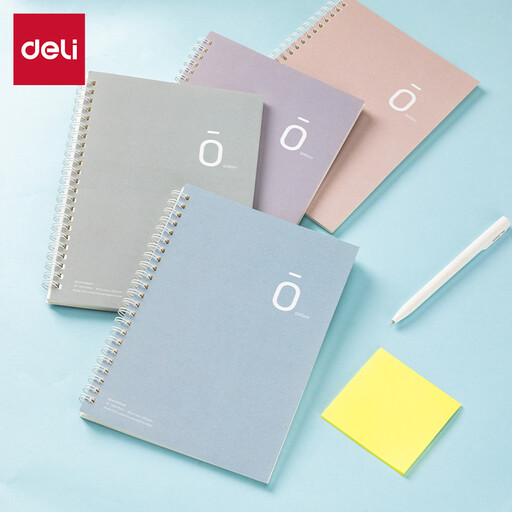
Why This Fits Their Persona: This notebook set is ideal for students who need separate notebooks for different subjects. The focus is on functionality and great value for money, without compromising on essential quality.
The sturdy spiral binding prevents it from falling apart during daily transport. The 4-pack bypasses the "design premium" of single notebooks, offering an economical solution for all school or university needs.
Practical organisation with multiple notebooks. The spiral binding allows it to lie flat, making writing easier. The 70 g/m? paper is sufficient for everyday notes with ballpoint pens and pencils.
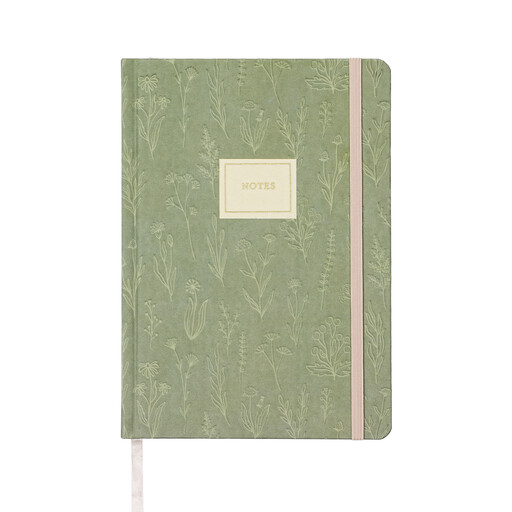
Why This Fits Their Persona: For creatives looking to buy a diary or professionals who value a premium look and feel. This notebook combines an aesthetic exterior with first-class functionality for a delightful writing experience.
It avoids the paper trap by using thick 100 g/m? paper, which prevents ink bleed-through. The sturdy, fabric-covered hardcover is durable and reliably protects your notes.
The high-quality, cream-coloured paper is ideal for fountain pens and other demanding writing tools. Practical details like a ribbon bookmark and an elastic closure enhance its functionality.
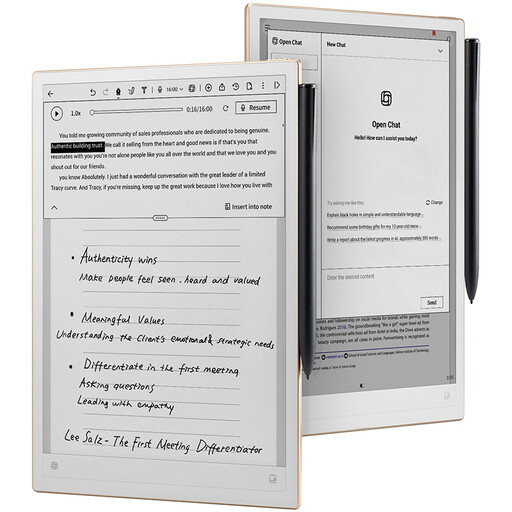
Why This Fits Their Persona: For tech-savvy professionals and students seeking a bridge between the analogue feel of writing and digital efficiency. This device is more than a notebook—it's an intelligent assistant for meetings, lectures, and project management.
As a digital notebook, it completely eliminates the problems of paper quality and binding. Notes are stored digitally, are searchable, and cannot be lost or damaged.
Offers features like real-time transcription in 16 languages and handwriting-to-text conversion. Notes can be synced and edited across various devices via apps.
We have compiled a complete, up-to-date list of products that fully meet these strict selection criteria.
Paper quality is crucial for fountain pens. Look for a notebook with a paper grammage of at least 100 g/m?. This thicker paper absorbs ink without it bleeding through to the other side or spreading on the page ("feathering"). Products marked as "fountain pen friendly" or "ink-proof" are a safe bet.
A lined or gridded spiral notepad is primarily designed for quick note-taking and organisation. Its typical features include spiral binding, micro-perforation for tearing out sheets cleanly, and hole-punching for filing in a binder. A classic notebook, especially one with thread-sewn binding, is intended for permanent records where the pages are meant to stay in the book.
The right journaling accessories complement your notebook and personalise your experience. This includes high-quality pens that don't bleed through, themed stickers for structure, rulers for layouts, and highlighters in various colours. When browsing for stationery online, look for coordinated sets to ensure a consistent style. Start with a good notebook and gradually add accessories based on your needs.