
Lieferung heute & morgen

Qualitätsgarantie

Willkommens-Angebote freischalten: KOSTENLOSE Lieferung | Bis zu 80 % RABATT | Kostenlose 30-Tage-JoyPlus-Testphase
App herunterladen
A new notebook is more than just blank pages; it's a space for ideas, plans, and creativity. Yet, the sheer number of options can be overwhelming. Often, it's only after a purchase that you discover whether a product can withstand the demands of daily use. Certain flaws, rarely mentioned in product descriptions, can quickly diminish the joy of writing. This guide will help you identify common pitfalls and find an A5 notebook that truly meets your needs.
Many buyers focus primarily on design, but the true quality of a notebook lies in its functional features. Two problems are particularly common:
To avoid these problems, you should look for a few objective criteria before buying. These features determine whether a notebook will become a reliable everyday companion.
The paper is the heart of any notebook. The most crucial value here is the paper weight, measured in grams per square meter (g/m? or GSM).
The cover not only protects the contents but also defines the notebook's tactile feel and durability.
Small details can significantly enhance user comfort. Look for functional add-ons such as:
Based on these quality benchmarks, we have curated a selection of models for different user profiles.
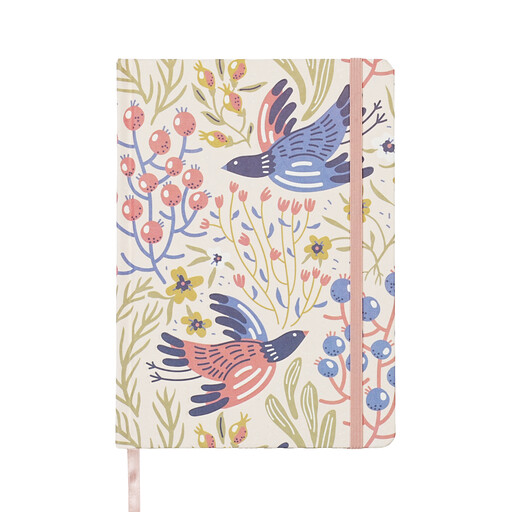
Why it's a great fit: Those who write daily appreciate an inspiring and durable book. The bird-themed design and fabric cover make it a tactile and visual delight, while the sturdy binding withstands daily use.
The 100g paper reliably prevents ink bleed-through. The firm fabric cover and stable binding ensure longevity, even with intensive use.
High-quality fabric cover with embossing; includes a ribbon bookmark and elastic band.
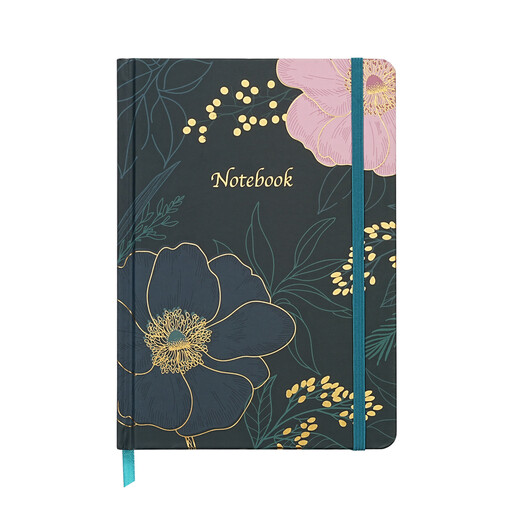
Why it's a great fit: In a professional environment, a polished appearance and functionality are key. This notebook combines an elegant, dark design with gold accents and a robust hardcover construction, making it ideal for meetings and notes.
The hardcover reliably protects the pages inside a briefcase or backpack. The cream-coloured 100g paper ensures clean script without any show-through.
Elegant design with foil stamping; equipped with an elastic band and ribbon bookmark for optimal organisation.
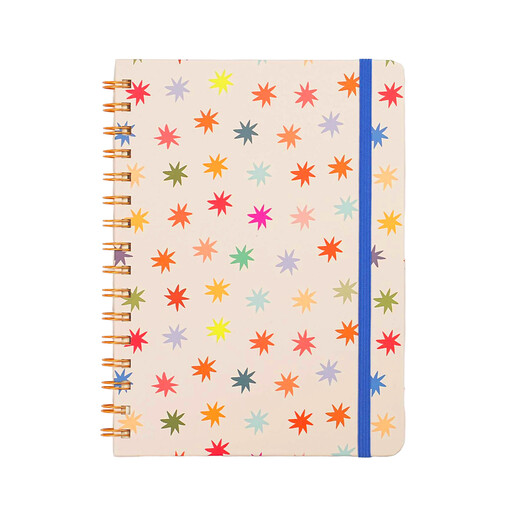
Why it's a great fit: Students need flexibility. The spiral binding allows the notebook to be folded back completely for use in tight spaces. The sturdy hardcover and modern design make it a practical companion for lectures and projects.
The sturdy twin-wire binding is more durable than single spirals and prevents pages from tearing out. The 100g paper is once again the standard for clean writing.
Lies completely flat and is foldable; hardcover with a textured laminate for extra protection.
For those who use pencils for sketches or notes in addition to ink, a reliable sharpener is essential. A dual-blade sharpener with a container is particularly practical, as it accommodates both standard and jumbo pencils and neatly collects the shavings. Models like the Pelikan Flower Double Pencil Sharpener combine functionality with an appealing design and keep your workspace clean.
We have compiled a complete, up-to-date list of products that meet these strict selection criteria.
For fountain pens, a paper weight of at least 90 g/m? is generally recommended to minimise ink bleed-through and feathering. A 100g paper, as used in the featured models, provides an excellent foundation for most fountain pens and inks, ensuring a crisp, clean script.
A fabric-covered notebook should be protected from moisture and direct sunlight to prevent colours from fading and the paper from warping. Light smudges on the fabric can be gently removed with a dry, soft cloth. When stored in a bag, an elastic band helps protect the edges and pages.
The terms are often used interchangeably but can have different focuses. A lined diary is traditionally used for the chronological recording of events. A journaling notebook is often used more freely—for thoughts, goals, sketches, lists, or creative writing. The choice of format (lined, dotted, blank) therefore depends heavily on your personal intended use.