
Lieferung heute & morgen

Qualitätsgarantie

Willkommens-Angebote freischalten: KOSTENLOSE Lieferung | Bis zu 80 % RABATT | Kostenlose 30-Tage-JoyPlus-Testphase
App herunterladen
An A5 notebook is compact enough for a rucksack or work bag, while still offering plenty of space for notes, daily planning or creative ideas. The choice ranges from simple writing books and hardcover notebooks to decorative A5 diaries. However, the sheer variety of products can also lead to disappointing purchases.
A higher paper weight, such as 100 g/m², can offer a more pleasant feel and is suitable for many types of ink. However, it does not automatically guarantee that ink will not show through on the reverse. Paper structure, ink coverage and the writing instrument used are also important. If you work with fountain pens, brush pens or markers, check the manufacturer's information on ink compatibility.
A product with “192 pages” does not necessarily contain 192 sheets. With pages that can be written on both sides, 96 sheets usually correspond to 192 pages. When checking the actual capacity of a lined journal, make sure you look at both figures.
A ribbon bookmark, elastic closure and pen loop are practical, but they do not solve every usability issue. A hardcover notebook offers better protection for its contents in your bag, while a spiral notebook can lie flat on a desk. For frequent page-turning or removing individual sheets, a perforated spiral binding is often more practical than a permanently sewn binding.
The standard A5 size is approximately 14.8 × 21 cm. This makes the format suitable for:
An A5 planner with monthly and weekly overviews is useful for organising appointments. For freehand drawings or mind maps, a sketchbook with blank pages is a better choice. An A5 notebook with ruled pages, on the other hand, supports structured writing and traditional note-taking.
Check whether the paper is lined, squared or blank. With an A5 notebook with ruled pages, the line spacing should suit your handwriting size. For longer texts, cream or ivory-coloured pages are often more comfortable than very white paper, although this remains a matter of personal preference.
The product details should also state the paper weight. Examples from the selection include:
“Acid-free” and “pH-neutral” are factual material descriptions that may be particularly relevant for longer-term storage. However, they do not in themselves allow for a general statement about durability.
A hardcover provides a firm writing surface and protects the pages. Covers made from PU, fabric or plastic differ in feel, care requirements and weight. With decorative fabric covers, avoid moisture and direct sunlight to help preserve the surface and print for longer.
A thread-sewn binding can help the notebook lie flat when open. A wire spiral makes page-turning easier and usually lies flat. Micro-perforations and punched holes are useful if notes are to be filed later or individual pages removed.
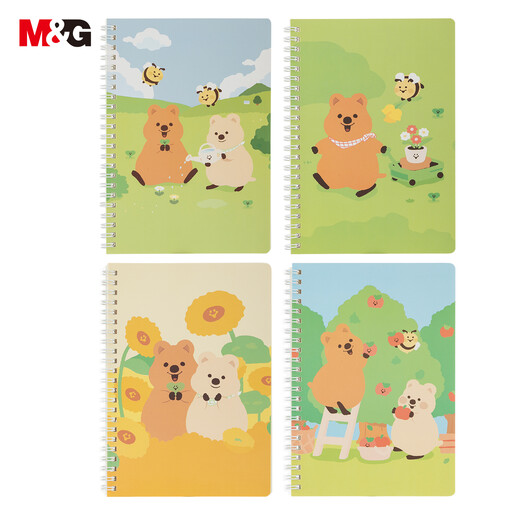
Why this product suits the profile: Four A5 spiral notebooks make it easy to separate subjects, projects or personal notes.
The product details clearly state the format, ruling, sheet count and pack size.
According to the product description: A5 format, ruled pages, spiral binding and four notebooks per pack.
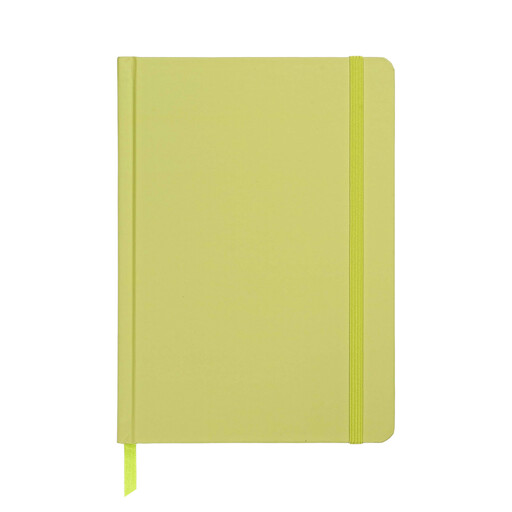
Why this product suits the profile: The undated layout is ideal for flexible planning without a fixed start date.
The capacity is clearly specified as 112 sheets or 224 pages.
100 g/m² offset paper, hardcover, ribbon bookmark, elastic closure, plus monthly and weekly overviews.
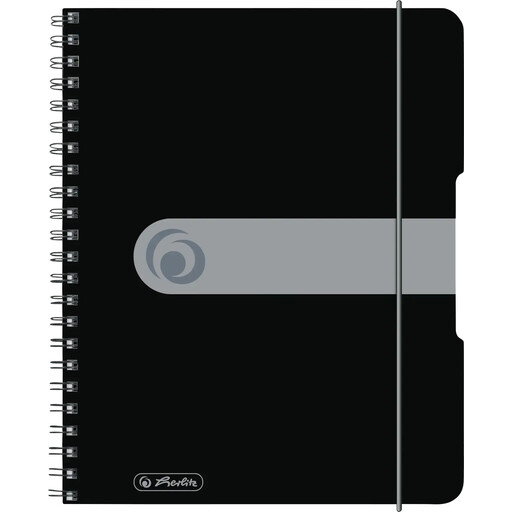
Why this product suits the profile: For school, the office and changing projects, this pad offers features for writing flat and filing pages.
The spiral binding prevents a rigid cover from restricting use on a small desk.
80 sheets per notebook, squared guide ruler, micro-perforation, six-hole punch pattern and a twin pack.
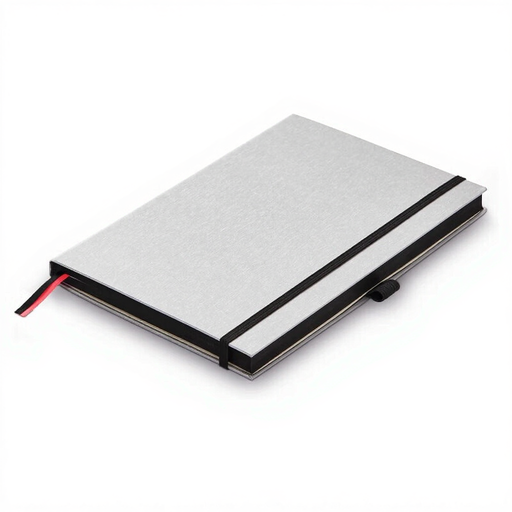
Why this product suits the profile: Blank pages leave room for sketches, mind maps, diagrams and creative journalling.
The ruling is clearly described as blank, so it cannot be mistaken for a lined journal.
192 pages, approximately 90 g/m² acid-free paper, thread-sewn binding and A5 format.
For an A5 notebook for school and the office, robust corners, an elastic closure and clear ruling are practical features. If you often write on the go, pay attention to the weight and stability of the cover. For a gift notebook, a fabric cover, botanical motifs or licensed designs may be important, but practical usefulness still depends on the paper and binding.
Suitable additions include a 0.7 mm gel pen for everyday notes, or brush pens and artists’ pens for lettering, sketches and bullet journalling. With waterproof or pigmented inks, it is always advisable to test a stroke on a back page.
We have put together a complete, regularly updated list of products that fully meet these strict selection criteria and the safety regulations applicable in the EU.
An A5 notebook has a standard size of approximately 14.8 × 21 cm. Depending on the cover, spiral binding or rounded edges, the external dimensions may vary slightly.
For fountain pens and brush pens, details such as 90 or 100 g/m², “acid-free” or “resistant to show-through” can be helpful. They do not replace an individual test, as ink flow and pressure vary depending on the writing instrument.
Its lifespan depends on the paper, binding, storage conditions and daily use. A hardcover stored in a dry place can protect the contents during everyday use. Moisture, heat and bending the binding back too far can damage the paper and spine.