
Lieferung heute & morgen

Qualitätsgarantie

Willkommens-Angebote freischalten: KOSTENLOSE Lieferung | Bis zu 80 % RABATT | Kostenlose 30-Tage-JoyPlus-Testphase
App herunterladen
An A6 hardcover notebook fits into many handbags, rucksacks and work bags. However, this compact size can often lead to poor purchasing decisions. A cover may look sturdy but quickly become impractical with daily use. Similarly, a seemingly well-equipped planner is not automatically suitable for every purpose.
Here are the most common buying mistakes at a glance:
The A6 format measures approximately 10.5 × 14.8 cm. This makes a pocket notebook suitable for short notes, shopping lists, meeting bullet points, journalling and spontaneous ideas. However, the format is limited for detailed project plans or large sketching areas.
A hardcover offers better protection against creases and pressure in your bag. It is worth taking a closer look at the material too: a premium PU notebook has a coated surface that can be cleaned with a soft, slightly damp cloth. However, PU is not genuine leather and should be protected from heavy moisture, heat and sharp objects.
Paper thickness is measured in grams per square metre. The notebooks featured here use 100-g/m² offset paper or 90-g/m² paper. A higher paper weight may feel more stable when writing, but on its own it does not indicate whether the paper is suitable for every type of pen.
If you write regularly, look out for the following:
Lined pages can be restrictive for sketching or bullet journalling. If you often switch between notes and drawings, check whether plain or dotted ruling would better suit your everyday needs.
A notebook with an elastic band stays closed in your bag and protects loose inserts. A pen loop means you do not have to search separately for a suitable ballpoint pen. The bookmark makes it easier to quickly find the last page you used.
These details are particularly practical if the book is opened every day. At the same time, they are potential points of wear. Before buying, check that the band is sufficiently taut, the loop fits your pen and the bookmark is firmly attached to the book.
The following selection categorises the products according to specific everyday situations. It is based on the stated dimensions, materials, page counts and features.
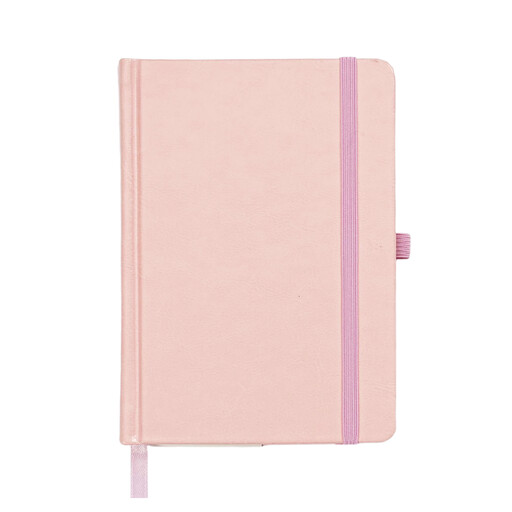
Why this product suits the profile: The compact A6 format is ideal for short notes, lists, journalling and everyday carrying. The undated design can be used without a fixed start date.
The product details clearly state 80 sheets or 160 pages, as well as lined paper. This makes it easier to assess the available writing capacity before buying.
The listed features include a PU hardcover, 100-g/m² offset paper, elastic band, bookmark and pen loop.
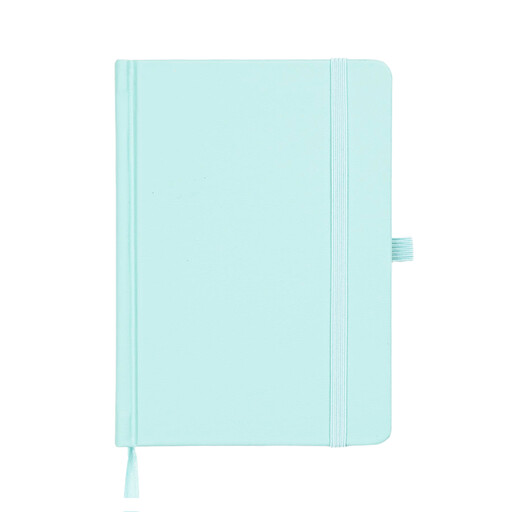
Why this product suits the profile: If you are looking for a reliable companion for work, study and personal notes, this offers a complete A6 system with clearly specified materials and accessories.
The undated structure prevents unused calendar pages building up during breaks or changing routines. The hardcover protects the contents during transport.
A6 dimensions of approximately 10.5 × 14.8 cm, 160 pages and 100-g/m² offset paper. Features include a bookmark, elastic band and pen loop.
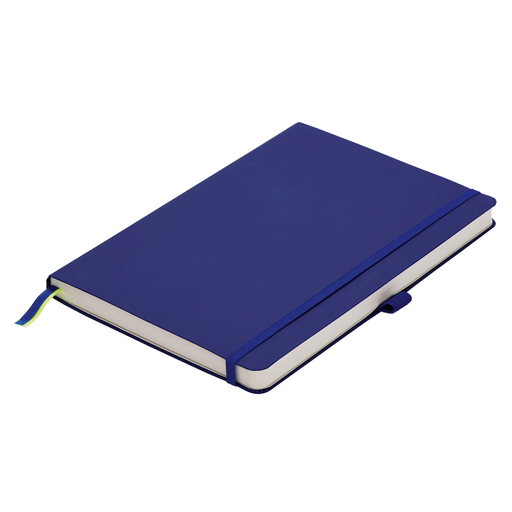
Why this product suits the profile: For prolific writers, students and anyone who writes or sketches frequently, this A6 notebook offers 192 pages and additional storage features.
The product description explicitly states the page count, paper weight and ruling. Two bookmarks and the rear pocket make everyday organisation easier.
A6 format, 90-g/m² ivory paper, 192 pages, pen loop, two bookmarks and rear pocket. The cover is specified as a softcover.
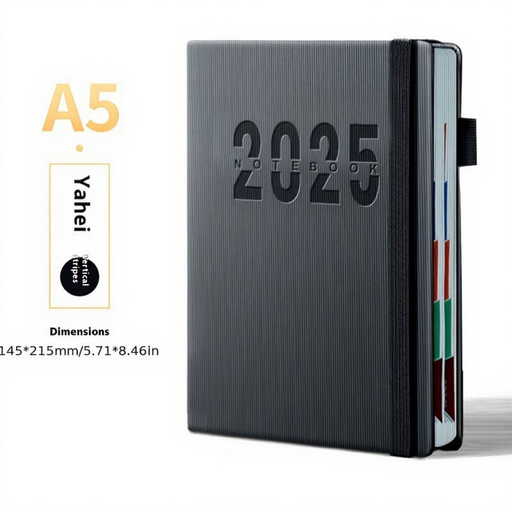
Why this product suits the profile: The dated layout is designed for people who want to bring appointments, tasks, project milestones and daily reflections together in one office planner.
The daily layout is designed for a set usage period. This makes the model suitable for predictable routines, rather than flexible, undated use.
365-day layout, sections for daily entries and check-ins, plus a black cover for professional use.
We have put together a complete, regularly updated list of products that fully meet these strict selection criteria and the safety regulations applicable in the EU.
A lined journal notebook is ideal when your content develops freely: daily reflections, sketches, conversation notes or collections of ideas. An A6 planner, on the other hand, usually provides predefined sections for appointments, tasks and priorities.
This simple guide can help you choose:
A model with 100-g/m² paper, an elastic band and a pen loop can be practical for everyday carrying. If you mainly manage appointments, however, you should give greater weight to the page layout than to the appearance of the cover.
Its lifespan depends on how it is used, stored and bound. A hardcover protects against pressure and creasing, but it cannot prevent wear to the elastic band, pen loop or bookmark. The book should be stored in a dry place and not overstretched by force.
That depends on your working routine. An undated notebook is suitable for irregular appointments, journalling and spontaneous notes. A dated planner provides a fixed daily structure and may offer a clearer overview for regularly recurring tasks.
At approximately 10.5 × 14.8 cm, the format is suitable for many handbags and work bags. Before buying, you should also check the book’s thickness and weight, particularly if you will be carrying it with a smartphone, purse or other work essentials.