
Lieferung heute & morgen

Qualitätsgarantie

Willkommens-Angebote freischalten: KOSTENLOSE Lieferung | Bis zu 80 % RABATT | Kostenlose 30-Tage-JoyPlus-Testphase
App herunterladen
An A6 lined notebook fits in many bags and is ideal for lecture notes, meeting notes, journaling, sketches or short to-do lists. However, its compact size is only practical if the paper, cover and features suit the way you write every day. If you focus solely on appearance or a product label such as ‘Premium’, you can easily overlook important details.
‘Smooth paper’ or ‘high-quality paper’ are not precise descriptions. The key factors are paper weight, surface and shade. Thin paper may show more when used with a fountain pen, fineliner or heavy ballpoint pressure. A specification such as 100 g/m² or 100 g offset paper is more specific and makes comparisons easier.
However, paper weight alone does not guarantee a particular writing experience. Ink, nib or tip size and writing pressure also affect the result. Anyone who mainly writes with a pencil or ballpoint will usually need different properties from someone using a journal with a fountain pen.
The A6 format measures approximately 10.5 × 14.8 cm. A cover, pen loop or additional pocket can increase the overall dimensions. For use in a jacket, handbag or rucksack, you should therefore consider not only the paper format but also the product’s complete size.
A small notebook with an elastic band stays closed when it is in a bag. A notebook with pen loop keeps the right pen close at hand, while a notebook with bookmark ribbon makes it easier to quickly find the current page. If these details are missing, a seemingly inexpensive model may be less convenient in everyday use and may later need additional accessories.
For regular note-taking, paper thickness and the number of usable pages are key points of comparison. According to the product information, the Jubiluu model contains 80 sheets or 160 pages of 100 g offset paper. The pages are cream or off-white and lined.
The Lamy B4 Notebook Softcover A6 Blue is described as having 192 pages of 90 g/m² paper. It therefore offers more pages, while the stated paper weight is lower. The right choice depends on whether a smaller pack size, more pages or a particular paper thickness is most important to you.
An A6 hardcover notebook has a firm outer cover that can provide support when writing on the go or without a table. According to the product description, the Jubiluu model has a PU leather or PU material cover. This is not genuine leather and should not be treated as equivalent to leather quality. A slightly damp, soft cloth is recommended for cleaning; excessive moisture and harsh cleaning products should be avoided.
A softcover is more flexible and can adapt more easily to the contents of a bag. The Lamy model has a paper cover. For everyday carrying, your personal usage is therefore the deciding factor: if you often write while out and about, you may prefer a sturdier cover; if you prioritise low weight and flexibility, a softcover may suit you better.
Before buying, it is worth running through this quick checklist:
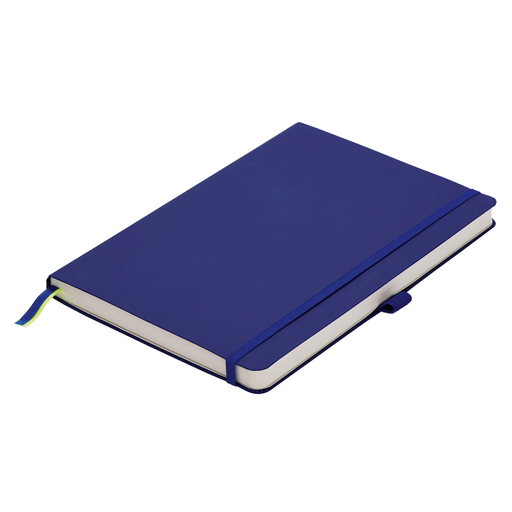
Why this product suits this profile: The A6 softcover offers an uncomplicated introduction for studying, work and everyday notes. With 192 pages, there is plenty of space for longer notes.
The product details clearly specify the format, paper thickness, page count and features. This makes it easier to compare with vague marketing claims about the paper.
90 g/m² paper, 192 pages, pen loop, two bookmark ribbons and a rear pocket.
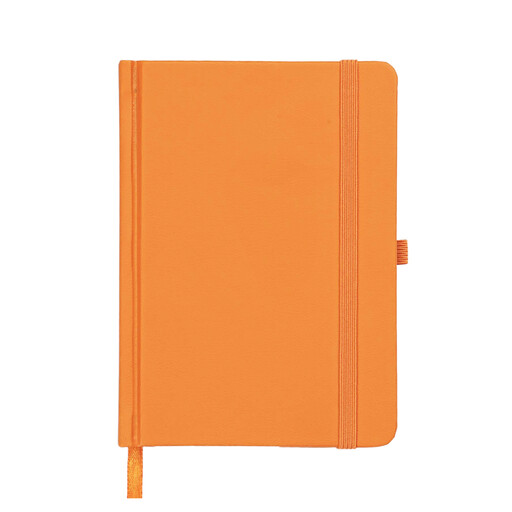
Why this product suits this profile: The sturdy PU cover and integrated extras are ideal for anyone looking for a structured, stylish A6 diary or writing journal.
The cover material, format and features are clearly specified. The 100 g paper, bookmark ribbon, elastic band and pen loop can all be checked before buying.
A6 dimensions of approximately 10.5 × 14.8 cm, 160 pages and a PU material hardcover with three functional extras.
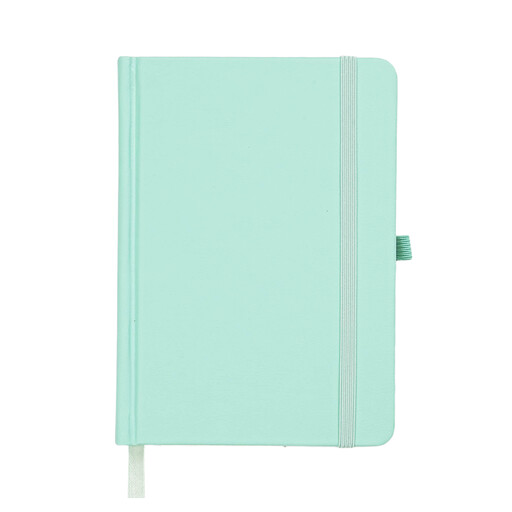
Why this product suits this profile: For daily bullet points, collections of ideas and changing tasks, this model provides a solid structure with a closable cover and a marked writing place.
The elastic band reduces the risk of the notebook opening accidentally in your bag. The bookmark ribbon and pen loop also save you from having to search for the right page and writing instrument.
100 g offset paper, 80 sheets, PU hardcover, one bookmark ribbon, one elastic closure and a pen loop.
We have put together a complete, regularly updated list of products that fully meet these strict selection criteria and the safety regulations applicable in the EU.
The lifespan of an A6 notebook depends greatly on how it is used. A hardcover protects the pages during transport, but it does not replace protection from water, heat or sharp objects. PU surfaces can be cleaned with a slightly damp cloth and should then be left to air-dry.
With an A6 diary or personal journal, it is advisable not to stretch the elastic band too tightly for long periods. Loose inserts or particularly thick stickers can put additional strain on the binding. Small components such as the bookmark ribbon, elastic band and pen loop are not suitable for children under three years of age.
The A6 paper format measures approximately 10.5 × 14.8 cm. The cover and features may increase the overall dimensions. Before buying, you should therefore compare the stated product dimensions with the internal dimensions of your bag.
100 g/m² paper is a specific paper weight and can provide a more stable writing experience with many writing instruments than very thin paper. However, whether the ink shows through also depends on the fountain pen, ink, nib width and writing pressure. This does not mean that it is universally suitable for every writing instrument.
Fewer pages may be enough for short shopping lists or individual appointments. Students, professionals and keen writers will often benefit from having more pages in reserve. The models mentioned offer 160 and 192 pages respectively; the key question is whether you plan to use the book as a pocket notebook for individual topics or as a long-term journal.