
Lieferung heute & morgen

Qualitätsgarantie

Willkommens-Angebote freischalten: KOSTENLOSE Lieferung | Bis zu 80 % RABATT | Kostenlose 30-Tage-JoyPlus-Testphase
App herunterladen
When the remote control stops responding or a child's favourite toy falls silent, the cause is usually easy to spot: dead batteries. However, choosing the right AAA batteries can be a challenge given the vast array of types, brands, and technologies. Whether you opt for long-lasting, single-use batteries or rechargeable AAA batteries depends on your specific application and priorities.
This guide provides an objective overview of the most important criteria and presents a selection of products to help make your purchasing decision easier.
Choosing the right power source not only ensures your devices function correctly but can also impact your costs and environmental footprint. Here are three key points to consider.
The most fundamental choice is between single-use alkaline batteries and rechargeable Nickel-Metal Hydride (NiMH) batteries.
A battery's capacity is measured in milliampere-hours (mAh) and indicates how long it can supply power. A higher mAh rating generally means a longer runtime.
Consider which devices you need the batteries for. For everyday household needs, a 4-pack of batteries is often sufficient. However, if you operate many devices or want to stock up, larger pack sizes can be more cost-effective. Pay attention to the manufacturer's stated shelf life to ensure the batteries remain reliable even after extended storage.
Based on objective product features, we have compiled a selection of AAA batteries for various applications.
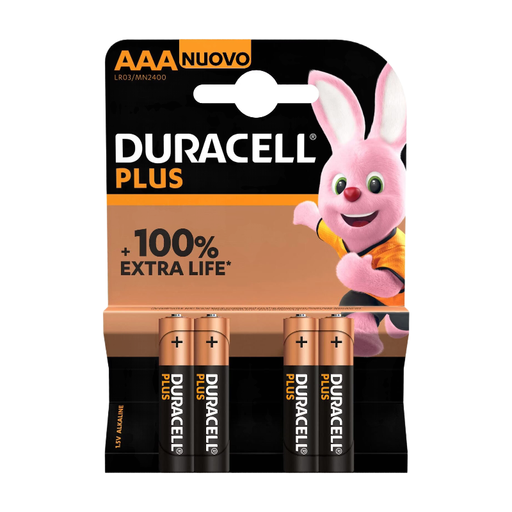
Why this product stands out: The Duracell AAA Plus Power batteries are designed for a reliable and consistent power supply in a wide range of everyday devices. With a typical capacity of 1000 mAh per battery, they offer solid performance for the gadgets you use daily.
Advantages:
Who is this product for? This product is a great choice for households looking for a reliable all-round battery for low to medium-drain devices, such as remote controls, clocks, or children's toys.
View Product: Duracell AAA Plus Power
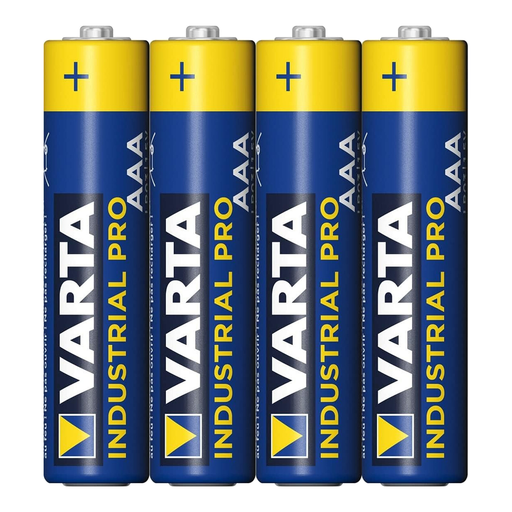
Why this product stands out: The VARTA AAA Industrial Pro batteries are designed for longevity and reliability. A key feature is the manufacturer-stated shelf life of up to 10 years, making them a solid option for stocking up. The packaging's "Single Press Out" feature makes it easy to remove individual batteries.
Advantages:
Who is this product for? Ideal for budget-conscious buyers and users who want to stock up on long-lasting batteries. The long shelf life makes them a great choice for emergency kits or infrequently used devices.
View Product: VARTA Alkaline Micro AAA Battery
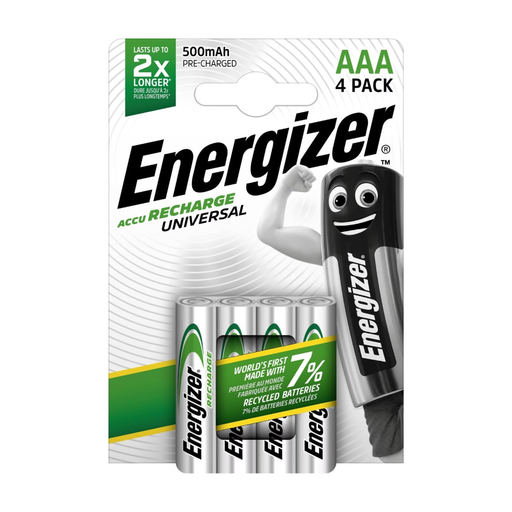
Why this product stands out: The Energizer AAA Recharge Universal battery offers a reusable power solution. According to the manufacturer, these batteries can be recharged up to 1,000 times, making them a cost-saving and eco-conscious alternative in the long run. They come pre-charged and are ready to use right out of the box.
Advantages:
Who is this product for? This product is aimed at eco-conscious consumers and users of high-drain devices (e.g., game controllers, toys) where the investment in rechargeable technology quickly pays off.
View Product: Energizer Recharge Universal AAA Battery
This selection covers common use cases, but the market offers an even wider variety. Whether you need special batteries for high-performance devices or larger pack sizes, there is a suitable solution for every need.
Explore our full range and find the right products for your devices.
Discover more products in the Battery Pack category
1. What is the difference between AAA, Micro, and LR03 batteries? There is no functional difference. These are different names for the same type of battery. AAA is the most common American designation. Micro is the colloquial German name. LR03 is the official international IEC standard designation for an alkaline-manganese battery of this size.
2. Can I use rechargeable 1.2V AAA batteries in devices that require 1.5V batteries? In the vast majority of cases, yes. Modern electronic devices are designed to operate within a wide voltage range. The voltage of a 1.5V alkaline battery drops quickly during discharge to a level similar to that of a 1.2V rechargeable battery. Only a very few, mostly older or very simple devices, might experience issues.