
Lieferung heute & morgen

Qualitätsgarantie

Willkommens-Angebote freischalten: KOSTENLOSE Lieferung | Bis zu 80 % RABATT | Kostenlose 30-Tage-JoyPlus-Testphase
App herunterladen
An ab trainer can complement your core workout when the design, stability and application match your fitness level. Many purchasing decisions fail not because of a lack of motivation, but because of unsuitable products. A small ab roller has different requirements to a guided abdominal machine or a waist trainer.
A narrow ab roller can place high demands on coordination. For beginners, this is not automatically an advantage. What matters are the wheel width, the surface grip and the floor you are using. If details on these points are missing, it is difficult to assess how suitable the product will be for everyday use.
A waist trainer can provide close-fitting support for your torso and temporarily alter your body shape under clothing. However, it does not replace core training and is not a guarantee of fat loss or permanent shape change. If worn too tightly, it can restrict your freedom of movement, breathing and skin comfort.
With sit-ups, crunches or leg raises, poor positioning can lead to unnecessary strain. An abdominal machine with guidance or handles can make the movement easier to follow. Even so, you should perform each exercise in a controlled manner. If you have existing health concerns or are unsure, it is sensible to consult a doctor before starting a new training programme.
An ab roller with a wide running surface generally offers more lateral stability than a very narrow wheel. That does not mean every wide model automatically suits every training goal. For advanced users, precise, more challenging rolling movements may be appealing; beginners should start with short movement ranges.
Look out for:
Measure your available training area before buying. An ab trainer with a frame needs noticeably more floor space than an ab roller. The Umbro model is listed as 73 × 61 × 69 cm. These measurements help you plan a permanent training spot and storage after your workout.
Your own height and range of movement should also be taken into account. With an abdominal machine, the handles must be reachable without straining your shoulders or neck. Product details on weight capacity and height, where provided, should be checked before purchase.
With a waist trainer, the material composition, fastening system and size chart are more important than marketing terms. According to the product details, the model featured here is made from 35% latex and 65% polyester and has five steel bones and a three-layer design. If you have a latex sensitivity, you should pay particular attention to the material before buying.
An adjustable strap system allows for a more personalised fit. “Maximum compression” should not be taken as an instruction to wear the belt as tightly as possible. The product should not uncomfortably restrict your movement or normal breathing. For care, follow the manufacturer’s instructions: hand wash with a mild detergent, do not wring, do not tumble dry and keep away from direct sunlight.
The following recommendations match the products to specific usage scenarios. Product data and features refer to the details provided.

Why this product suits the profile: The frame construction and listed dimensions offer beginners a clearly defined home training station for sit-ups, crunches, leg raises and flutter kicks.
The guided construction is an alternative to a narrow ab roller that can be hard to control. Before buying, check the footprint of 73 × 61 × 69 cm.
Compact dimensions, foam handles and multiple planned abdominal exercises in one device.
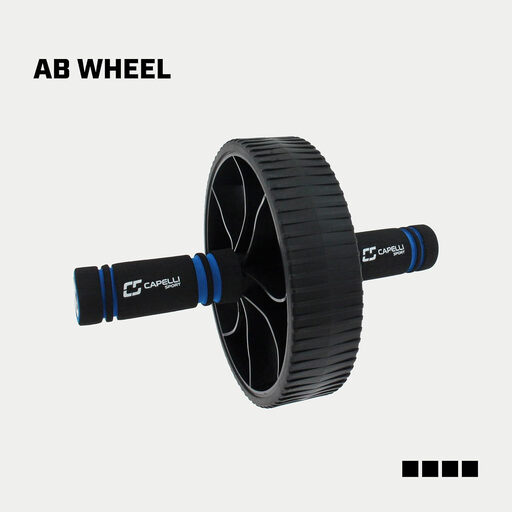
Why this product suits the profile: This ab roller combines a stainless steel tube core construction with PP, EVA and TPR components, and is aimed at users who want to combine core and balance training in a targeted way.
The product details explicitly state the wheel material, handle material and a TPR cover. This allows buyers to compare the construction more objectively with their requirements.
Wheel diameter 17 cm, 4.2 cm wide handles, TPR wheel cover and EVA foam handles; supplied with wheel and two handles.
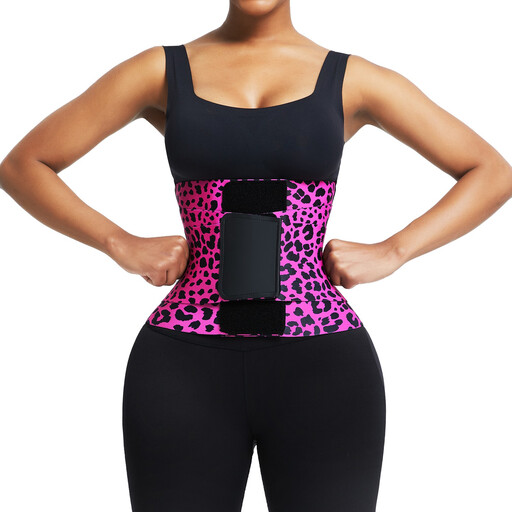
Why this product suits the profile: This model is intended for users who want adjustable compression and additional back support during sport or everyday wear.
The triple-wrap construction with two wide straps allows you to adjust the fit. This should not be equated with permanent weight loss or medical effects.
35% latex and 65% polyester, five steel bones and an adjustable three-strap system for a close fit.
We have put together a complete, regularly updated list of products that fully meet these strict selection criteria and the safety regulations in force in the EU.
When using an ab roller, begin with a few controlled repetitions. Make sure your pelvis does not drop uncontrollably into an arched back. Use a non-slip mat and check the axle, handles and wheel before each session. With a frame-based ab trainer, regularly check the screw connections and padding for loose parts or visible damage.
Clean the handles and wheel after training with a slightly damp cloth and allow them to dry completely. Textile products such as a waist trainer should be treated according to the care instructions. Overuse, incorrect cleaning or prolonged storage in damp conditions can shorten the product’s lifespan.
That depends on your fitness level, choice of exercises and recovery time. Beginners can start with short sessions and rest days between training days. What matters are clean movements and a pain-free routine, not the highest possible number of repetitions.
An ab roller can be used in principle, but it requires core tension and movement control. Beginners should start with a small range of motion and choose a stable starting position. A guided abdominal machine may be easier to follow for getting started.
Mechanical ab trainers and ab rollers normally do not need electricity. Ongoing costs mainly come from cleaning, possibly replacement parts and a suitable exercise mat. Before buying, check whether the construction is suitable for your intended use and the floor surface you plan to use.