Choose a desktop based on the operating system that works with your familiar screen reader and publishing software: NVDA is designed for a Windows workflow, VoiceOver is built into macOS, and Orca is an option for Linux. Before buying, test the specific software, input devices and braille aids you plan to use on the computer you have in mind. Don’t assume that processor performance guarantees an accessible workflow. A screen reader test can help you check the guide, but it is no substitute for a full accessibility audit.
Who is this workstation for?
NVDA users with their own publishing workflow
If you research and write venue information yourself, the key thing is whether your operating system, screen reader and software work well together. NV Access explains which widely used applications NVDA supports, but you should still check the software you plan to use.
Editors responsible for checking content
To create and check the guide, you need a workflow that lets you review content, headings and reading order. The W3C explains that headings communicate the structure of a page; Germany’s Federal Monitoring Agency for Accessibility points out that tests can only give a general indication.
A workstation with braille or shared use
If you want to connect existing braille hardware or other input devices, check the specific combination of PC, operating system, screen reader and assistive technology. Apple describes VoiceOver as the Mac’s built-in screen reader, while GNOME documents Orca for supported applications.
Which buying criteria matter most?
For this workstation, check that your system and software are compatible before focusing on maximum processing power. NV Access, Apple and GNOME document screen readers for different operating system environments.
| Buying consideration |
What to check before buying |
Who is it important to? |
| Screen reader and software |
Check that the operating system, screen reader, browser and publishing software work together. |
If I use NVDA, I care more about the system and software working together than simply choosing high processing power. Around 36% of consumers put screen reader and software compatibility first. |
| Publishing and checking |
Use your intended tools to edit a typical page, then test it with a screen reader and other appropriate methods. |
If I create and check the guide myself, I need an end-to-end workflow for its content and structure. Around 29% of consumers prioritise publishing and checking accessible content. |
| Existing assistive technology |
Check the ports and compatibility information for the specific PC against the devices you already have. |
If I want to keep using a braille display or other assistive technology, I need to check that it will work with my chosen system. Around 21% of consumers put connecting existing assistive technology first. |
| Space and maintenance |
Compare the case size, access for maintenance, service information and what’s included with the exact configuration. |
If I have limited desk space or need a workstation that’s easy to maintain, I pay particular attention to its size and maintenance options. Around 14% of consumers prioritise a compact or easy-to-maintain workstation. |
Windows with NVDA
A good fit if: you use NVDA, or want to edit and test the guide specifically with NVDA on Windows.
Consider: Mini PCs may need a separate monitor and input devices; specifications and maintenance options vary by model.
Mac with VoiceOver
A good fit if: you’re familiar with VoiceOver and can use your intended editing and publishing software on macOS.
Consider: NVDA is a Windows screen reader. Before switching, check your software, assistive technology and the exact device configuration.
Linux with Orca
A good fit if: your applications and the assistive technology you need work with Orca in your Linux environment.
Consider: Support for AT-SPI applications doesn’t guarantee that every publishing programme or braille display will work with your setup.
Which assumptions should you avoid?
-
Having a screen reader makes the whole workflow accessible
Usability also depends on the software you use and the structure of the guide. A screen reader test alone doesn’t check every aspect of accessibility.
Before making a decision, edit and test a typical page using the software and assistive technology you’ll actually use. Supplement the screen reader test with other appropriate checks.
-
Every deal in the same PC range has the same specifications
Dell’s Pro Micro QCM1250 configurations can differ; the model family alone doesn’t tell you the processor or memory.
Compare the full model number, processor, memory, storage, operating system and what’s included with the specific offer.
-
A mini PC is a complete workstation
A compact case doesn’t automatically include a monitor and input devices. Lenovo lists a monitor as a separate purchase for the ThinkCentre M70q Gen 5 Tiny 12TD0083EZ configuration.
Before buying, check which devices you already have and which ports and components you’ll still need for your workstation.
Which brands should you consider?
These brands offer configurations for different desktop workflows. The details refer to the product lines or variants specified and are not independent screen reader tests.
Lenovo
The ThinkCentre M70q Gen 5 Tiny is a compact Windows 11 Pro configuration. Lenovo lists 16 GB of memory and a 512 GB SSD for variant 12TD0083EZ.
- Lenovo lists three years of on-site service for this configuration and tool-free access to the memory and drive for the product range.
- The stated configuration doesn’t include a monitor. Specifications and service details don’t automatically apply to other variants.
HP
The Pro Mini 400 G9 is a compact Windows PC range. HP lists Windows 11 Pro, 16 GB of memory and a 512 GB SSD for the German variant CP9G3EA#ABD.
- These specifications refer to a specific variant, which you can check using its model number.
- The specifications don’t demonstrate any particular screen reader performance and shouldn’t be assumed to apply to other HP variants without checking.
Dell
The Pro Micro QCM1250 is a compact Windows PC range. Dell describes a configuration with Windows 11 Pro, 16 GB of memory and a 512 GB SSD.
- Dell offers a range of configuration options.
- The QCM1250 model name alone doesn’t specify the processor, memory or accessories. Compare models in the same range using the full details of each offer.
Apple
The Mac mini is a desktop for a macOS workflow with VoiceOver. Apple lists, among others, an M6 variant with 16 GB of unified memory and a 256 GB SSD.
- Apple describes VoiceOver as macOS’s built-in screen reader.
- NVDA is a Windows screen reader. Before switching systems, check your software, assistive technology and the exact Mac mini configuration.
Joybuy products for a Windows workstation
The mini PCs below are Windows options for a compact workstation. Before buying, check the exact operating system variant, your software and the ports you’ll need to connect any existing assistive technology.
 No image available
HP Z2 Mini G1a Ryzen AI Max+ Pro 395
This model could suit a compact Windows workstation if your software and assistive technology work with the specific configuration.
Specifications listed include Windows 11 Professional, 128 GB of memory and a 2 TB SSD.
Listed ports include USB-C, Mini DisplayPort and Thunderbolt 4.
View at Joybuy
 No image available
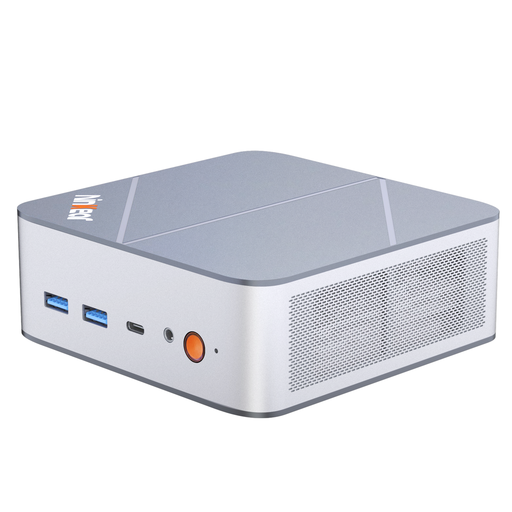
Ninkear M8 Mini PC
Its compact design could suit a Windows workstation if the operating system variant on offer supports your software.
Specifications listed include an AMD Ryzen 7 8745HS, 16 GB of DDR5 memory and a 1 TB SSD.
The listed operating system variants are Windows 10/11. Other features include Wi-Fi 6 and two 2.5-gigabit Ethernet ports.
View at Joybuy
 No image available
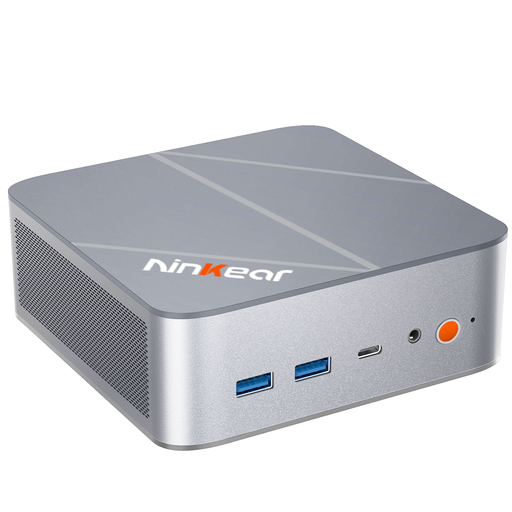
Ninkear L12 Pro Mini PC
This compact option is designed for a Windows workstation. Check in advance that it’s compatible with the software and assistive technology you need.
Specifications listed include an Intel Core i9-12900HK, 16 GB of DDR4 memory and a 1 TB SSD.
Listed features include Windows 10/11, USB 4.0 and compatibility with Windows and Ubuntu.
View at Joybuy
 No image available
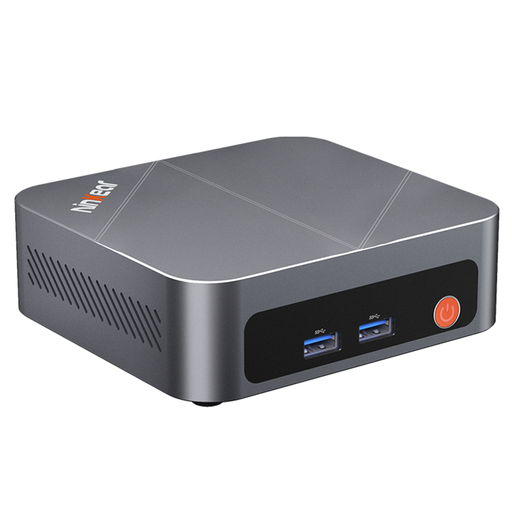
Ninkear M7 Mini PC
This mini PC could be a good fit if you’re looking for a compact workstation and the exact system variant is compatible with your applications.
Specifications listed include an Intel Core i7-1185G7, 16 GB of DDR4 memory and a 512 GB SSD.
Listed features include Windows 10/11, support for up to three displays, Wi-Fi 6 and Bluetooth 5.2.
View at Joybuy
 No image available
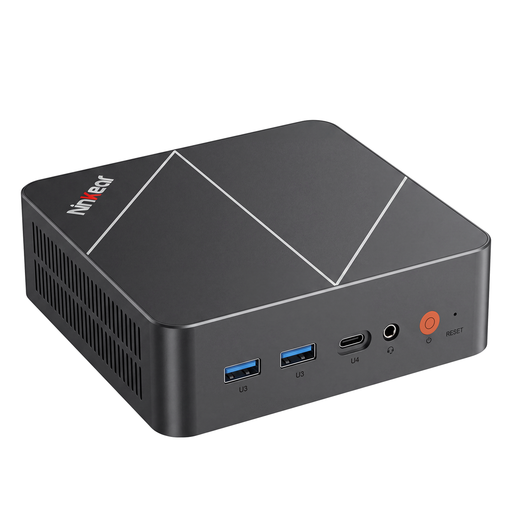
Ninkear L20 Mini PC
This compact Windows 11 option could be a good fit if your software and assistive technology work with the specific configuration.
Specifications listed include an Intel Core Ultra 5 226V and 16 GB of memory.
SSD storage is listed as either 512 GB or 1 TB. The case has a stated volume of 0.66 litres; support for three 4K displays is also listed.
View at Joybuy
Frequently asked questions
Is a screen reader test enough to classify a venue guide as accessible?
No. A screen reader test can help you assess reading order and structured content, among other things, but it isn’t a full audit. Germany’s Federal Monitoring Agency for Accessibility recommends considering other suitable testing methods and the requirements for the specific service.
How do I get started with the screen reader on a Mac?
Apple lists VoiceOver as the Mac’s built-in screen reader. You can turn it on using the Command-F5 keyboard shortcut. Then test the publishing software and input devices you actually plan to use.
Are 4 GB of RAM and 64 GB of storage recommended for working on the guide?
No. Microsoft lists these figures as the minimum requirements for Windows 11, not as a performance guarantee for running several publishing programmes or managing large project files. Choose a system to suit your own workflow.
What should I check about accessories and service before buying?
Check whether the monitor and input devices are included with the exact configuration, and what service is specified. Lenovo lists a separately available monitor and three years of on-site service for the ThinkCentre configuration 12TD0083EZ; these details don’t automatically apply to other models.
Does every privately run venue guide in Germany have to comply with BITV 2.0?
No. BITV 2.0 doesn’t apply across the board to every privately run guide: the regulation described here applies to federal public bodies. Whether the BFSG applies to a private online service depends on the specific service. Germany’s Federal Monitoring Agency for Accessibility explains that, for e-commerce, it is relevant when a consumer contract is concluded. The relevant state-level requirements should also be checked separately for organisations governed by the individual German states.


