
Lieferung heute & morgen

Qualitätsgarantie

Willkommens-Angebote freischalten: KOSTENLOSE Lieferung | Bis zu 80 % RABATT | Kostenlose 30-Tage-JoyPlus-Testphase
App herunterladen
Selecting the right home blood pressure monitor involves a careful review of technical specifications and your individual needs. Factors such as measurement accuracy, cuff size, data management, and user-friendliness are crucial for the device's usability and the reliability of its results. This article explores the key criteria to consider when choosing a digital blood pressure monitor for the upper arm.
The functionality of modern blood pressure monitors extends beyond simple measurement. To make an informed choice, the following technical aspects should be evaluated.
A device's precision is the most critical factor. Modern units use advanced SoC (System-on-a-Chip) chips and specific algorithms like the DFFA (Dual-Filter Fuzzy Algorithm) to enhance the accuracy of readings. Intelligent cuff pressure control also contributes to precision by adapting the inflation pressure to the user, thereby reducing measurement errors caused by excessive pressure. Features like user error alerts help the user maintain the correct measurement posture.
A correctly fitting cuff is essential for accurate results. A cuff that is too tight or too loose can skew the readings. Standard cuffs typically cover an arm circumference of 22 cm to 36 cm. For individuals with a larger arm circumference, a blood pressure monitor with a large cuff is required, designed for circumferences from 22 cm to 45 cm, for example. Some models offer a 360° cuff, which simplifies application and minimises the risk of misplacement.
The method of data storage and analysis is a key differentiator.
Extra features can enhance user comfort and the informational value of the device:
Based on an analysis of technical specifications and practical benefits, we present two models that cater to different user profiles.
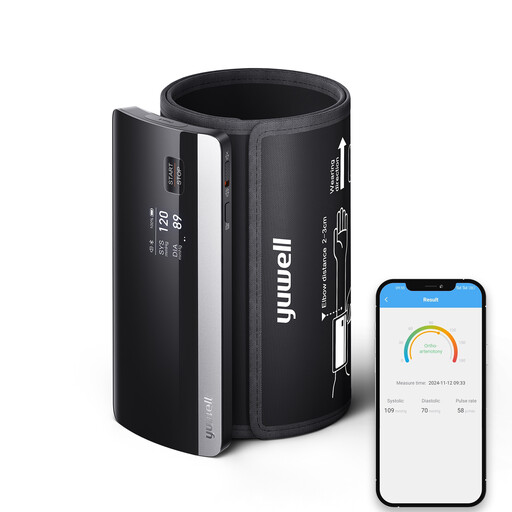
Why We Recommend This Product The YE630CR model stands out with its integrated all-in-one design, where the cuff and device form a single unit. This eliminates the need to connect tubes and simplifies handling. Weighing just 257 grams and featuring a rechargeable battery, it is designed for portability. Bluetooth connectivity to the "Yuwell HealthCare+ Connect" app enables detailed digital logging of your measurements.
Pros:
Who It's For: This device is designed for tech-savvy users who want a seamless digital record of their readings. It is also suitable for individuals who travel frequently and need a compact, lightweight blood pressure and pulse monitor.
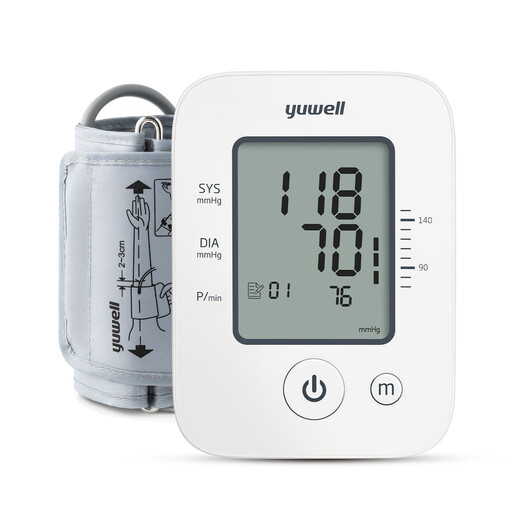
Why We Recommend This Product The YE660D model focuses on reliability and ease of use for measuring blood pressure at home. Its most prominent feature is the large cuff, suitable for arm circumferences from 22 cm to 45 cm, which accommodates a wide range of users. Operation is via a one-button system, which minimises the risk of error. The dual power supply via batteries or an AC adapter offers flexibility for stationary use.
Pros:
Who It's For: This upper arm blood pressure monitor is an excellent choice for individuals with larger arm circumferences. Its straightforward operation also makes it suitable for seniors or users who prefer simple, direct measurement without app connectivity.
If the featured models do not exactly match your requirements, a broader selection of health monitoring devices is available. Various products offer different combinations of features, designs, and accessories. You can find an overview of other items in our Fitness Accessories category.
1. How important is the cuff size for an upper arm blood pressure monitor? The cuff size is critically important. A cuff that is too small can lead to falsely high readings, while one that is too large can result in falsely low readings. To ensure measurement accuracy, your arm circumference should be measured at the midpoint of the upper arm and checked against the cuff manufacturer's specifications.
2. What are the benefits of a blood pressure monitor with app connectivity? A device with app connectivity automates the documentation of your blood pressure readings. It allows you to create long-term charts, identify trends, and easily share the data with medical professionals. This can contribute to a better understanding of your own health status.
3. What does arrhythmia detection mean on a digital blood pressure monitor? Arrhythmia detection is a feature that can indicate irregular heartbeats during a blood pressure measurement. The device displays a symbol if such irregularities are detected. It serves as an indicator and does not replace a medical diagnosis, but it may warrant further medical consultation.