
Lieferung heute & morgen

Qualitätsgarantie

Willkommens-Angebote freischalten: KOSTENLOSE Lieferung | Bis zu 80 % RABATT | Kostenlose 30-Tage-JoyPlus-Testphase
App herunterladen
The introduction of the new ECE 22.06 testing standard has redefined safety requirements for motorcycle helmets. For riders, this means adjusting how they select a new helmet. This article serves as a guide to help you understand the features of the new standard and make an informed purchasing decision. We will present objective criteria and a selection of models that meet the latest standards.
Choosing the right helmet depends on your individual needs. However, you should always consider three key aspects: the safety standard, the helmet type, and the comfort features.
A safe motorcycle helmet is the foundation of every ride. The ECE 22.06 standard has replaced the previous 22.05 regulation, implementing stricter testing procedures. Key updates include:
A helmet with ECE 22.06 certification has undergone these enhanced tests.
The choice between a full-face and a modular helmet is often a personal preference that depends on its primary use.
Modern helmets offer features that significantly enhance riding comfort.
Based on the criteria mentioned, we have compiled a selection of helmets that meet the ECE 22.06 standard and offer practical features for daily use.
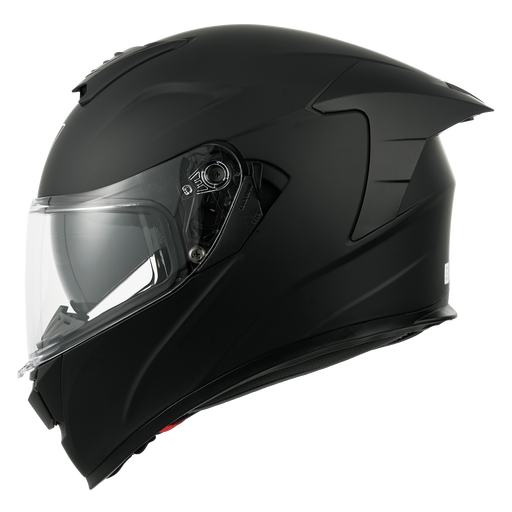
Why it stands out: The 936 model is a classic full-face helmet that focuses on core functions: protection and comfort. The Acrylonitrile Butadiene Styrene (ABS) outer shell, combined with a high-density EPS inner shell, is designed for shock absorption. The matte black motorcycle helmet design is timeless and complements many bikes and riding styles.
Advantages:
Who is it for? This helmet is a great choice for everyday and urban riders looking for a straightforward, compliant full-face helmet with essential comfort features like an integrated sun visor.
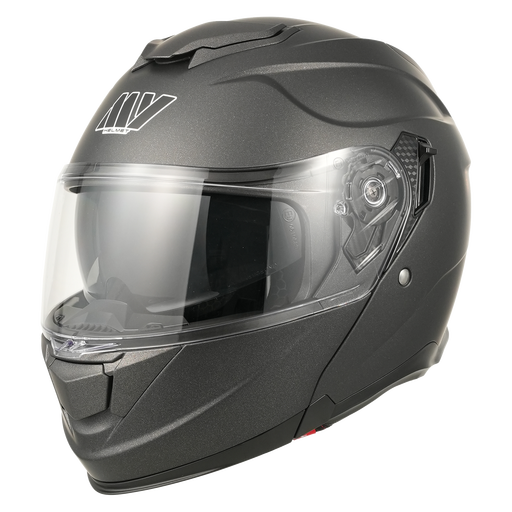
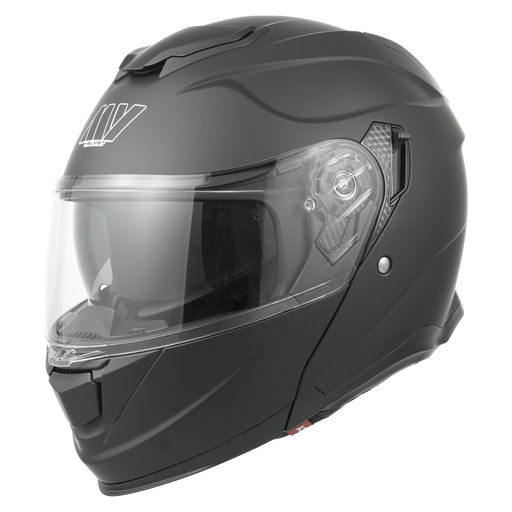
Why it stands out: The Modular Helmet 935 combines the protection of a full-face helmet with the flexibility of an open-face helmet. Its key feature is that it is prepared for Bluetooth communication systems, with dedicated cutouts under the cheek pads. This makes it particularly appealing for riders who want to navigate or communicate while on the move.
Advantages:
Who is it for? Ideal for touring riders and daily commuters who appreciate the convenience of a modular helmet and want the option to integrate a communication system. It is a practical solution for long distances and city traffic.
The models presented here provide a solid foundation for safety- and budget-conscious riders. If you want to compare other helmet types, colours, or features, you can find a wider selection in our main category.
Discover All Motorcycle Helmets on Joybuy
The ECE 22.06 standard includes stricter and more comprehensive testing procedures. These include impact tests at 18 points on the helmet shell instead of the previous 6, tests at lower and higher speeds, and a new test to measure rotational forces generated during an oblique impact. Additionally, accessories like visors and sun visors must pass the test along with the helmet.
Not every helmet is optimised from the factory for the installation of a communication system. Models explicitly advertised as a Bluetooth-ready motorcycle helmet, like the MY Modular Helmet 935, feature special cutouts for speakers and thoughtful cable routing. This greatly simplifies installation and ensures better wearing comfort, as the speakers do not press against the ears.
The right fit is crucial for safety and comfort. Measure the circumference of your head at its widest point, about one centimetre above your eyebrows and ears. Compare the result with the size chart of the respective helmet manufacturer. A new helmet should fit snugly and not shift easily on your head, but it should not create any pressure points. The padding will break in and loosen slightly over time.