
Lieferung heute & morgen

Qualitätsgarantie

Willkommens-Angebote freischalten: KOSTENLOSE Lieferung | Bis zu 80 % RABATT | Kostenlose 30-Tage-JoyPlus-Testphase
App herunterladen
Blemished skin, a shiny T-zone, blackheads or recurring spots don’t automatically call for a lengthy skincare routine. Often, the problem stems from a combination of unsuitable cleansing, too many active ingredients, and products whose marketing claims don’t match their actual properties. A thoughtfully chosen acne care routine should therefore take into account your skin type, active ingredient concentration, frequency of use and skin tolerance.
AHA, BHA and PHA products are often promoted together. However, these acids differ in their function and tolerance:
If you’re already using an acid-based cleanser, a peel and a serum, you could be unnecessarily stressing your skin. For a well-tolerated care routine for blemish-prone skin, it makes sense to introduce just one active product into your routine at first.
A squeaky-clean feeling after cleansing is often equated with thorough cleansing. However, harsh surfactants, a high alcohol content or frequent washing can lead to tightness on sensitive skin. A facial cleanser for spots should remove dirt and excess sebum without visibly drying out the skin.
Pore care products can temporarily make the skin look smoother or less shiny. However, pore size is influenced by various factors and cannot be permanently altered by a single toner. Caution is also advised with mechanical blackhead removers: excessive pressing or scraping can irritate the skin and encourage minor injuries.
Pay attention to the full INCI list and whether several active ingredients are already combined. A salicylic acid face product can be interesting for caring for oily or blackhead-prone skin. However, its specific tolerance depends on the concentration, pH value, contact time and the rest of your routine.
With a leave-on product such as a serum or liquid, the active ingredient stays on the skin longer than with a cleanser. For beginners, a low frequency of use is therefore sensible. With AHA-BHA-PHA products, you shouldn’t combine several intensive formulations on the same day.
When using acids and retinol, sun protection with an adequate SPF during the day is advisable. New products should first be tested on a small area of skin. Products should not be applied to open wounds or severely irritated skin. For persistent, painful or pronounced skin changes, a dermatological consultation is more appropriate than constantly expanding your cosmetic routine.
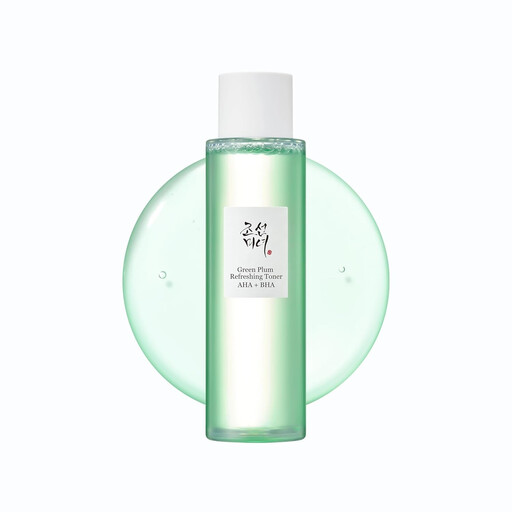
Why this product fits the profile: This lightweight toner combines green plum water, mung bean extract, glycolic acid and salicylic acid, according to the product details. It’s suitable for those looking to add a single exfoliating step to their routine.
The ingredients are clearly listed. This makes it easier to distinguish this toner from products that only make vague claims about “pore cleansing”.
150 ml content, lightweight toner texture, and AHA and BHA in one formulation.
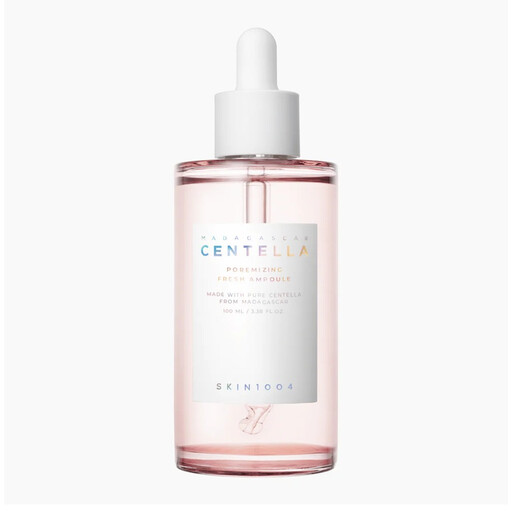
Why this product fits the profile: This ampoule contains 50.47 % Centella Asiatica extract according to the product description and has a light serum texture. It’s aimed at those with oily or combination skin who prefer a streamlined skincare routine.
The formulation is traceable via the stated INCI list and, according to the product details, contains no artificial fragrance or alcohol.
100 ml content, lightweight texture, plus Centella Asiatica extract, panthenol and hyaluronic acid.
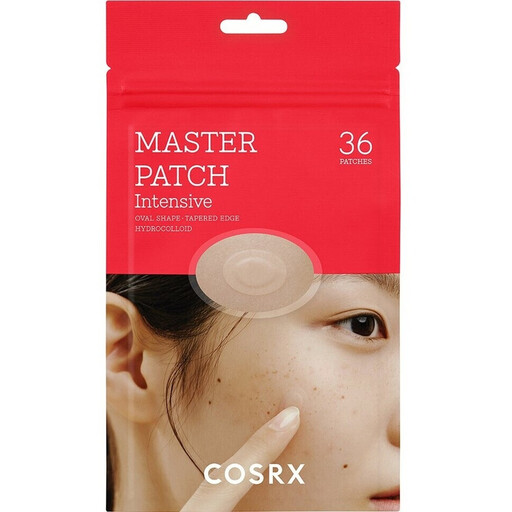
Why this product fits the profile: These hydrocolloid patches are designed for targeted spot care and can be used during the day or overnight. Different patch sizes make it easier to choose the right one for the affected area.
The patch is applied to clean, dry skin and not placed on open wounds or severely irritated areas. This keeps the application clearly defined.
36 pieces, two stated sizes, plus hydrocolloid material with salicylic acid and tea tree oil.
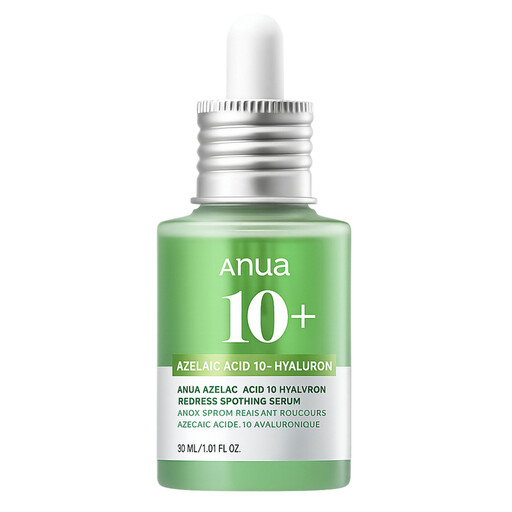
Why this product fits the profile: This watery serum contains 10 % azelaic acid as well as panthenol, hyaluronic acid and cica components, according to the product details. It is intended for gradual use on sensitive, blemish-prone skin.
The recommended gradual increase in use helps you avoid introducing several intensive products at the same time.
30 ml content, azelaic acid as the stated main active ingredient, plus panthenol and ceramides in the INCI list.
In the morning, in many cases, all you need is:
In the evening, you can cleanse your skin and then use one active product. An acne serum, an acid toner or a targeted product should not be immediately combined with retinol and further peels. Retinol products such as the The Retinol 0.1 Cream require a particularly slow introduction and are best placed in your evening routine.
If you want to remove blackheads, you shouldn’t resort to mechanical methods every day. A BHA product used at a low frequency, a suitable cleanser and patience are the more controlled approach. For your back, chest or shoulders, a dedicated body cleansing product such as the Some By Mi AHA BHA PHA Body Cleanser can be more practical than using a facial product.
We’ve put together a full, regularly updated list of products that fully meet these strict selection criteria and the safety regulations in force in the EU.
Depending on the formulation, start with once or twice a week and observe your skin. A cleanser is rinsed off, whereas a serum or liquid stays on the skin longer. If you experience stinging, persistent redness or a strong feeling of tightness, pause the use.
The best-before date on the packaging, the jar-open symbol and the manufacturer’s instructions are the key factors. Close jars, bottles and pads carefully and store them in a dry, cool place away from direct sunlight. A change in colour, an unusual smell or a noticeably altered consistency are reasons to stop using the product.
Whether a combination is possible depends on the individual ingredients. To begin with, avoid using several acids, retinol and heavily fragranced or alcohol-based products at the same time. A manageable routine also makes it easier to identify which product your skin tolerates or which might be irritating it.