
Lieferung heute & morgen

Qualitätsgarantie

Willkommens-Angebote freischalten: KOSTENLOSE Lieferung | Bis zu 80 % RABATT | Kostenlose 30-Tage-JoyPlus-Testphase
App herunterladen
Blemishes, spots and blackheads don’t automatically call for an elaborate routine. Problems often arise when products are chosen based on attention-grabbing marketing claims rather than your skin type, the ingredients and how the product should be used. The right acne care should suit your individual skin concerns and be easy to use consistently.
Salicylic acid, AHA, PHA, niacinamide, azelaic acid and retinol are often combined in one routine. However, this can lead to tightness, dryness or redness, particularly if your skin is sensitive or prone to acne. With exfoliating products, it’s best to start by testing just one product and using it infrequently.
A high alcohol content, a strong fragrance or an intense cooling sensation aren’t reliable signs that a spot treatment is right for you. What matters is the full INCI list, the intended area of use and any warnings. If you have sensitive skin, fragrance, essential oils or alcohol may affect how comfortable a product feels on your skin.
Blemish-prone skin on your back, chest or shoulders needs a different amount of product, and often a more spreadable texture, than a targeted acne cream. Sprays and larger bottles of body wash are practical options for blemish-prone skin on the body. Face products, on the other hand, should be applied precisely and sparingly.
Salicylic acid for spots is often used when pores appear clogged. It belongs to the beta hydroxy acid family and can be used in cosmetic skincare formulations. One example is Medik8 Blemish SOS Gel with 2% salicylic acid. Always check the concentration stated on the product.
Niacinamide is also widely used in niacinamide skincare. It features in several of the formulations mentioned here, including the Collistar product and Axis-Y Spot Treatment. However, simply listing an ingredient doesn’t guarantee a particular result. Tolerance and regular, moderate use are key.
Light lotions, gels or non-greasy creams may feel more comfortable on oily skin. Sensitive skin often benefits from a straightforward routine with as few potentially irritating ingredients as possible. If your skin tends to be dry, look for humectants such as glycerin, panthenol or hyaluronic acid alongside an acne cream.
Before buying, check whether the product is intended for your face, back or whole body. With exfoliants and acids, daily sun protection is also important, especially if you use them in the morning. Don’t apply them to open wounds or severely irritated skin. If your acne is persistent, painful or deep, it’s worth seeking advice from a dermatologist.
The recommendations below group products by use and verifiable product features. They’re not a substitute for medical advice and are based on the information in each product description.
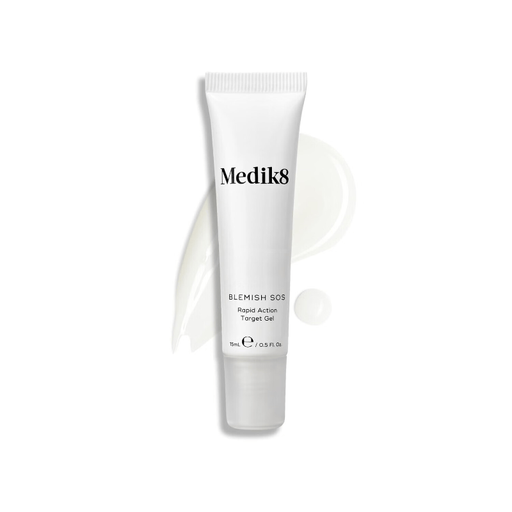
Why this product suits this profile: The clear gel is designed for targeted application and, according to the product information, can be worn under make-up.
The stated 2% salicylic acid concentration makes it easy to see which active ingredient you’re choosing. The product description also says it’s free from synthetic colourants, fragrance and phthalates.
2% salicylic acid, clear gel, with additional niacinamide and azelaic acid ingredients.
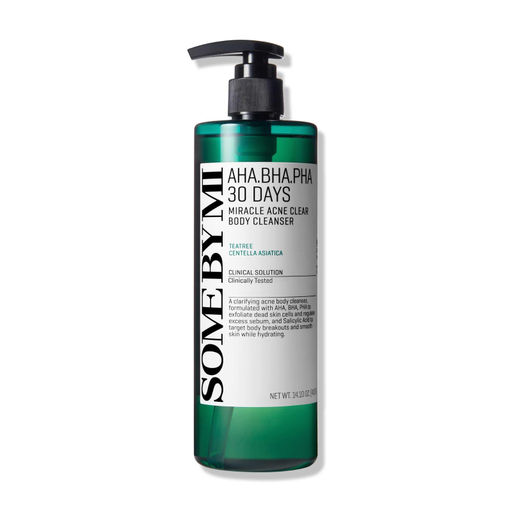
Why this product suits this profile: This 400 ml body wash is designed for areas such as the back and shoulders, and fits easily into your daily shower routine.
It’s clearly made for use on the body. That means you won’t end up applying a face cream unnecessarily over a large area of your back or chest.
400 ml, AHA, BHA and PHA ingredients, plus Truecica and Houttuynia cordata extract according to the product information.
We’ve put together a complete, regularly updated list of products that meet these strict selection criteria and fully comply with the safety regulations in force in the EU.
Don’t introduce new products all at once. This makes it easier to work out which formula suits your skin. Always follow the current ingredients list on the packaging, as formulas can change.
It depends on the concentration, product type and how sensitive your skin is. If you’re trying a new serum, gel or exfoliant, it’s best to start slowly. Stop using it if you experience severe dryness, stinging or persistent redness.
Hydrocolloid patches are designed for targeted use. Don’t apply them to open wounds, deep cuts or severely inflamed areas of skin. Always follow the instructions from the manufacturer.
This depends on the pack size, how much you apply and the area you’re treating. A 10 to 15 ml spot treatment will usually last longer if used sparingly than a 50 ml cream applied all over the face. The key is to use only as much as directed in the instructions.