
Lieferung heute & morgen

Qualitätsgarantie

Willkommens-Angebote freischalten: KOSTENLOSE Lieferung | Bis zu 80 % RABATT | Kostenlose 30-Tage-JoyPlus-Testphase
App herunterladen
Blemish-prone skin, a shiny T-zone, blackheads and recurring spots can easily lead to an overloaded skincare routine. Many people buy several acne products at once, switch products after just a few days or are drawn in by claims such as ‘detox’, ‘refined pores’ and ‘fast results’. But these claims say little about whether a product is actually right for your skin.
1. Using too many active ingredients at once:
Salicylic acid, AHA, PHA, niacinamide, tea tree oil and retinoids can add up to a lot for your skin. Sensitive, acne-prone skin in particular may react with redness, tightness or a burning sensation. Introducing products one at a time makes it easier to keep track of your routine.
2. ‘Deep cleansing’ that leaves skin dry:
A strongly foaming facial cleanser for acne can remove excess oil, but it shouldn’t leave your skin feeling tight for a long time. Dry or irritated skin isn’t a reliable sign that your cleanser is working well.
3. Marketing claims instead of verifiable product information:
Claims such as ‘clinically proven’, ‘closes pores’ or ‘spots gone in 24 hours’ should be treated with caution. More useful information includes the INCI list, the concentration of relevant active ingredients, how often to use the product and any specific warnings.
Cosmetic acne care is no substitute for a dermatological assessment if you have painful, widespread or persistent skin changes.
Salicylic acid is a common ingredient in skincare for blemish-prone skin. It belongs to the BHA family and is used in many cleansing and skincare formulas to help care for pores that appear congested. Depending on the product, it may be left on the skin or rinsed off.
A higher percentage doesn’t automatically make a product a better choice for acne-prone skin. The pH, contact time, formula and other ingredients also matter.
Light gel or lotion textures are often practical for oily skin. However, fragrances, essential oils or alcohol that may irritate the skin can be a concern if your skin is sensitive and acne-prone. Check the product description and the information on the current packaging before buying, as formulas can change.
Ingredients such as glycerin, panthenol, hyaluronic acid, niacinamide or ceramides can be useful additions. They don’t automatically make a product suitable for you, but they can help support a balanced routine.
If you’re using leave-on products with AHA or BHA, start by applying them infrequently. If your skin is sensitive, a patch test on a small area may be helpful. Don’t apply acid-based products to open wounds, broken skin or areas that are severely irritated.
When using exfoliating products, we recommend applying sun protection with an appropriate level of UV protection during the day. Avoid the eye and lip area. Stop using the product if you experience persistent burning, a rash or significant redness.
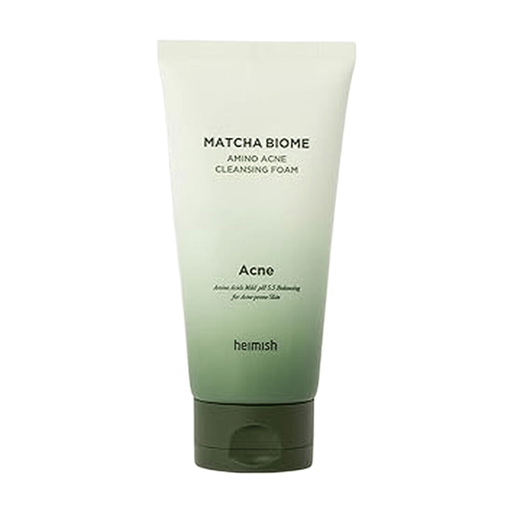
Why this product suits this skin type: This 150 g cleanser is designed for daily facial cleansing and, according to the product information, contains amino acids, salicylic acid, white clay and hyaluronic acid.
As a rinse-off cleanser, it has a limited contact time. This reduces the risk of starting out with several potent leave-on products at once.
Foaming texture, 150 g size and several listed cleansing and skincare ingredients.
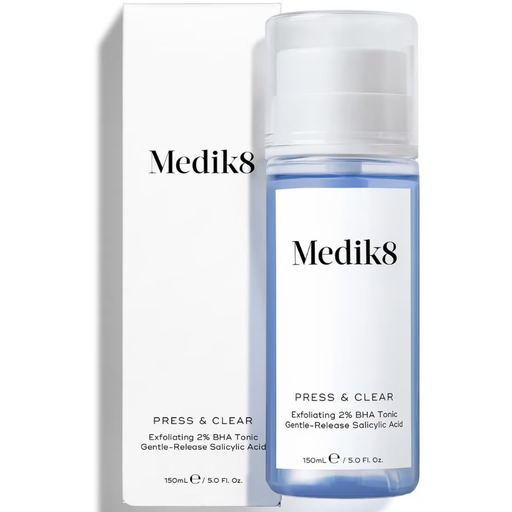
Why this product suits this skin type: According to the product information, this leave-on toner contains 2% encapsulated salicylic acid and 2% tranexamic acid. It’s intended for use once daily in the evening to start with.
The recommended starting frequency and advice to use sun protection provide clearer guidance than vague promises of fast spot treatment.
Encapsulated salicylic acid, a lightweight toner texture and clear instructions for use after cleansing.
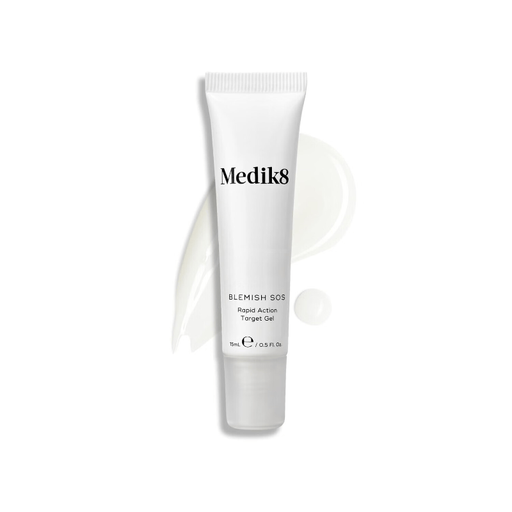
Why this product suits this skin type: According to the product information, this clear gel contains 2% salicylic acid, niacinamide and azelaic acid, and is designed for targeted application to individual areas of skin.
Targeted application means you don’t have to spread a concentrated product over your entire face.
Clear gel texture, targeted application and, according to the product information, no synthetic colourants or fragrance.
We’ve put together a complete, regularly updated list of products that meet these strict selection criteria and fully comply with the safety regulations in force in the EU.
It depends on the type of product and how well your skin tolerates it. A rinse-off cleanser can be used more frequently, as directed on the packaging. With a leave-on product, it’s usually more cautious to start with once or twice a week. Stop using it for a while if you experience burning, severe dryness or redness.
Squeezing aggressively, using harsh exfoliants and applying pore strips frequently can put your skin under mechanical stress. A gentle cleanser and a BHA or salicylic acid product introduced gradually are easier for many people to manage as part of a routine. Visible or persistent skin changes should be assessed by a professional.
It depends on the size, the area you apply it to and how often you use it. A 15 ml spot gel will last a different amount of time from a 100 ml liquid or a 150 ml cleanser. Before buying, check the recommended amount to use and the product’s shelf life after opening. Always follow the information on the packaging.