
Lieferung heute & morgen

Qualitätsgarantie

Willkommens-Angebote freischalten: KOSTENLOSE Lieferung | Bis zu 80 % RABATT | Kostenlose 30-Tage-JoyPlus-Testphase
App herunterladen
Blemished, oily or acne-prone skin does not automatically need a long skincare routine. Many unsuitable purchases happen because product claims are given more importance than the actual formulation. When comparing acne care products, you should therefore consider the ingredients, how the product is used and how well it suits your skin.
Salicylic acid, glycolic acid, vitamin C, niacinamide and azelaic acid are often used in products for spots or post-blemish marks. However, using several highly formulated products at the same time can leave skin feeling dry, stinging or looking red. An acne serum or spot treatment should therefore initially be introduced into your routine on its own.
Oil-free products can be appealing for oily skin, but they are not automatically suitable for every blemished or sensitive complexion. Even a mattifying product can have a drying effect if used too frequently. The full INCI list, texture and specific usage instructions are what really matter.
A concealer can visibly disguise redness, but it does not replace cleansing or skincare. Conversely, a cleansing product is not necessarily designed to cover spots. If you want to cover spots, look for a non-greasy texture and apply it sparingly, while planning your daily skincare separately.
When it comes to salicylic acid for spots, it is not just the active ingredient itself that matters, but also the type of product. A cleanser is rinsed off after a short contact time, while a serum or spot treatment remains on the skin for longer. Its effect therefore cannot be judged solely by looking at the ingredients list.
Check the following before buying:
Formulations can change. The ingredients list on the product packaging is always the definitive source.
Depending on your skin type, gel, foam or cream formulations may be suitable for facial cleansing for blemished skin. Oily skin may benefit from a lightweight gel texture, while sensitive skin often needs a gentle cleanser that avoids unnecessary friction. A pH-balanced product may fit more comfortably into your daily routine, but this alone is not proof of a particular cosmetic effect.
With skincare for oily skin, you should also pay attention to how your skin feels after washing. If it remains tight, the cleanser may be too intensive or may be being used too often.
New anti-blemish products should initially be tested on a small area of skin. Do not use several acid-based products on the same day if you do not yet know how well your skin tolerates them. If irritation, persistent redness or severe dryness occurs, stop using the product for the time being.
Products containing glycolic acid or vitamin C can be incorporated into a routine for uneven skin tone. During the day, sun protection is advisable when using glycolic acid. Cosmetic products do not claim to provide medical treatment for acne. If you have severe, painful or persistent acne, you should seek advice from a dermatologist.
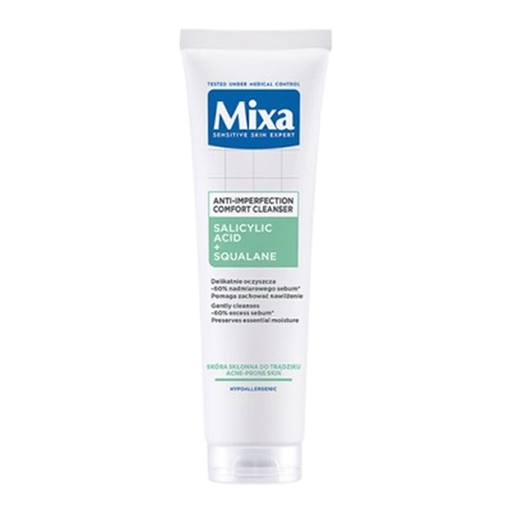
Why this product suits this profile: This cleansing gel is designed as an uncomplicated introduction to a routine for blemished and oily skin and can be used in the morning and evening.
The product description gives clear usage instructions and highlights salicylic acid and squalane. This makes it possible to choose based on specific details rather than broad marketing claims.
150 ml content, gel texture and salicylic acid listed in the INCI list.
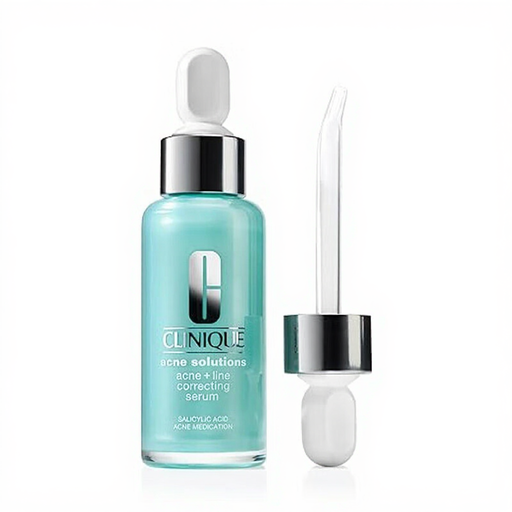
Why this product suits this profile: This serum is intended for targeted facial skincare after cleansing and contains salicylic acid in a leave-on formulation.
The recommendation to use two to three drops and avoid the eye area provides clear guidance for controlled application.
30 ml content, salicylic acid and clearly defined dosage instructions.
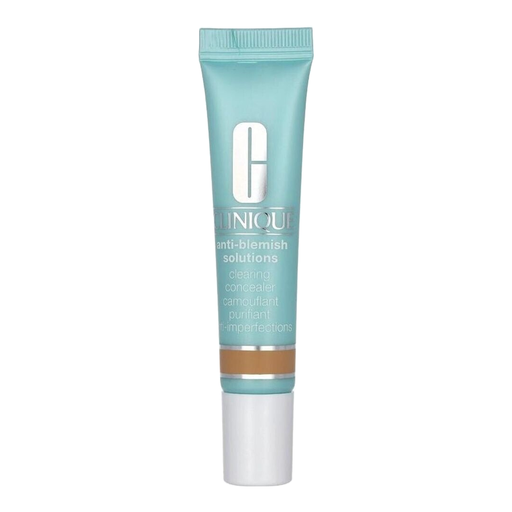
Why this product suits this profile: This concealer is suitable for anyone who wants to target and conceal redness and visible unevenness during the day.
The product information highlights an oil-free formulation, matte coverage and a fragrance-free formula. Even so, you should check the shade before buying.
10 ml content, Shade 02, salicylic acid listed in the INCI list and targeted application.
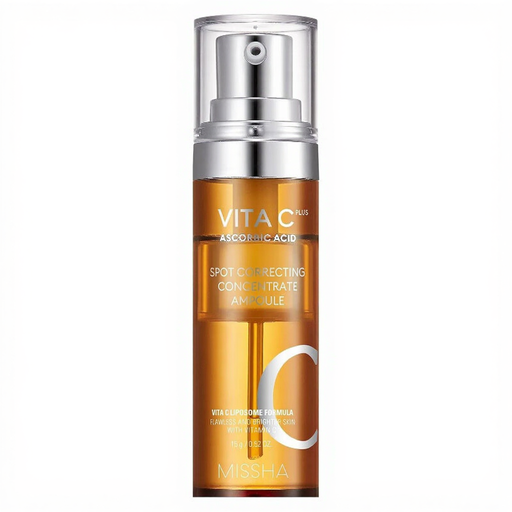
Why this product suits this profile: This serum is aimed at people looking for a vitamin C serum for pigmentation and an uneven-looking complexion.
The product information states that it contains 10% pure vitamin C and has a fragrance-free formula with separate powder and liquid phases. The two are mixed before use.
10% pure vitamin C according to the product description, 1–2 pumps per application and 29 ml content.
We have put together a complete, regularly updated list of products that fully meet these strict selection criteria and the safety regulations applicable in the EU.
A straightforward order makes application easier:
It is important not to change your routine every day by adding new anti-blemish products. Give each product enough time before judging how it feels on your skin and how practical it is for everyday use. With products for post-blemish marks, you should also distinguish between redness and darker discolouration, as not every formulation is designed for both concerns.
Look for a straightforward INCI list, clearly described usage instructions and warnings about fragrance, essential oils or acids. New products should be introduced gradually and initially used on a small area. If you experience discomfort, stop using the product.
This depends on the specific product instructions and how your skin feels. The cleansing gels mentioned above are sometimes recommended for use in the morning and evening. If your skin feels very tight or starts to flake after cleansing, using the product less frequently may be advisable. The information on the packaging remains definitive.
The period after opening is shown on many cosmetic products by the PAO symbol, for example “24M”. You should also check the expiry date and batch number on the packaging. Keep products closed, dry and protected from direct sunlight.