
Lieferung heute & morgen

Qualitätsgarantie

Willkommens-Angebote freischalten: KOSTENLOSE Lieferung | Bis zu 80 % RABATT | Kostenlose 30-Tage-JoyPlus-Testphase
App herunterladen
An acne cream should target spots, excess sebum or redness while fitting into your daily skincare routine. However, choosing one isn't simply a matter of looking for terms like "anti-spot" or "pore-refining". What really matters is the full INCI list, the texture, and how well it suits your skin type.
When it comes to a face cream for spots, three common marketing pitfalls can lead to the wrong purchase:
For severe, painful or persistent acne, cosmetic skincare products are not a substitute for dermatological advice. The guidance below will help you make an informed product choice, but it does not constitute a medical claim.
Salicylic acid is used in various products for blemish-prone or oily skin. In the product descriptions from Neutrogena, Odol and UNO, it is listed as part of the formulation. If you already use an exfoliator or serum containing acids, check your overall daily routine and start with a small amount.
Niacinamide is found in the Haruharu Wonder Gel Cream, the Medicube Zero Pore Cream 2.0, the Pyunkang Yul Acne Cream and the Odol Face Cream, among others. It is often used in formulations for oily, blemish-prone skin. The concentration matters: Haruharu Wonder, for example, states 5% niacinamide.
Centella Asiatica, also known as cica, is central to soothing acne care. The VT Cosmetics Cica Cream Plus, SKIN1004 Soothing Cream and Centella Blemish Cream all contain Centella-derived ingredients. These products are worth considering if hydration and a reduced sensation of product on the skin are your priorities.
For the skin barrier, ceramides, cholesterol and fatty acids are important ingredients. The SKIN1004 Madagascar Centella Soothing Cream lists these in its ingredient list. For dry or sensitive areas of skin, this type of formulation may be a better fit than a heavily mattifying cream for oily skin.
A gel-cream usually absorbs more quickly and can feel more comfortable under sunscreen or make-up. The products from Haruharu Wonder, Mizon and Neutrogena are described as having a light or fast-absorbing texture.
Richer creams can be useful for dry patches or as part of your evening routine. Examples include the VT Cosmetics Cica Cream Plus and the Propolis Light Cream. However, propolis, honey and royal jelly are ingredients that should be considered if you have individual sensitivities.
A pore-refining cream can make the skin's surface appear smoother without permanently changing pore size. The Medicube Zero Pore Cream 2.0 lists glycolic acid, niacinamide and peptides among its ingredients. At the same time, the ingredient list includes fragrances and alcohol. For sensitive skin, a cautious patch test is therefore recommended.
Before buying, check the following points on the packaging or product page:
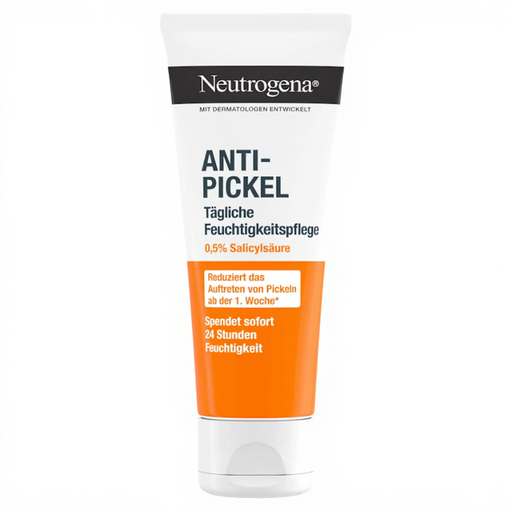
Why this product fits the profile: This cream is designed for daily care of blemish-prone skin and contains salicylic acid.
The product information lists ingredients, skin type, quantity and usage rather than making blanket efficacy claims.
50 ml content, oil-free gel-cream according to the product description, plus aloe vera, chamomile and salicylic acid in the ingredient list.
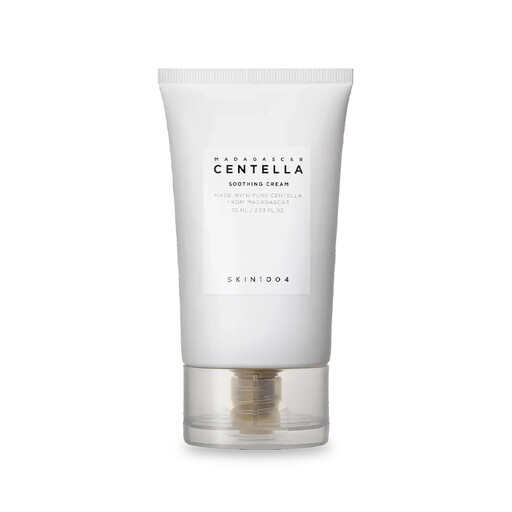
Why this product fits the profile: The formulation combines Centella Asiatica with several skin barrier components and is described as a cream suitable for different skin types.
The ingredient list is transparently provided and contains no fragrances declared as allergens.
75 ml content, plus ceramides, cholesterol, fatty acids and Centella Asiatica in the stated formulation.
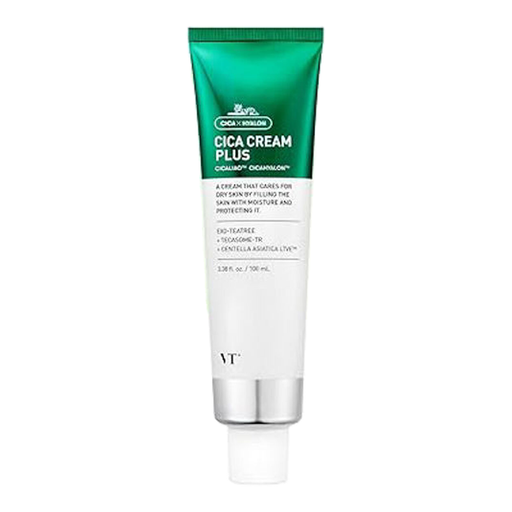
Why this product fits the profile: 100 ml content and a light cream texture make it suitable as a regularly used moisturiser for acne-prone skin.
The choice focuses on hydration and texture, rather than combining multiple exfoliating ingredients.
Centella Asiatica extract, suitable for morning and evening use, and described as suitable for oily, dry and sensitive skin.
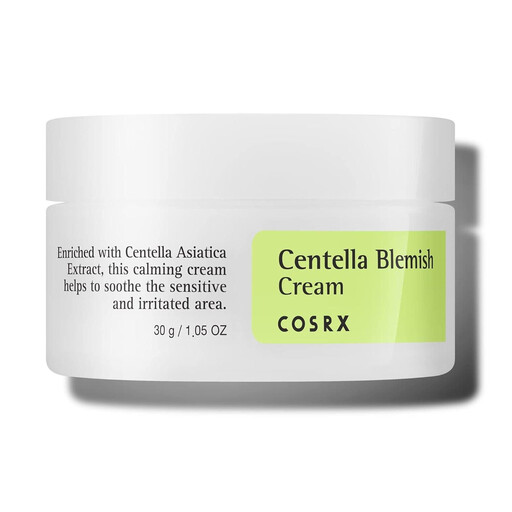
Why this product fits the profile: The compact size and intended use on affected areas make this product interesting for a targeted routine.
Application can be limited to individual areas, meaning you don't necessarily have to treat your entire face with a specialist product.
Centella Asiatica leaf water, zinc oxide, zinc PCA, betaine and glycerin are listed in the product information.
We've put together a full, regularly updated list of products that fully meet these strict selection criteria and the safety regulations in force in the EU.
That depends on the formulation, your skin type and the usage instructions. For products containing acids, you should start using them gradually. Your routine shouldn't be changed daily so that your skin's reaction remains clear. If there is persistent worsening or noticeable irritation, stop using the product.
Yes, a moisturiser for acne-prone skin can be part of the same routine. It makes sense to separate the product functions: cleansing, then a treatment product if needed, followed by a compatible moisturiser. Multiple acid-containing products should not be combined without checking the ingredients.
Korean acne care includes a wide range of different formulations. Centella, niacinamide, ceramides, zinc or salicylic acid may be present depending on the product. What matters, therefore, is not the origin or brand name, but the specific INCI list, the texture and the absence of ingredients you personally cannot tolerate.