
Lieferung heute & morgen

Qualitätsgarantie
App herunterladen
Kategorien
Selecting the right facial cleanser is a fundamental step in any skincare routine for blemish-prone skin. This skin type, often characterised by increased sebum production (Seborrhea), enlarged pores, and the appearance of comedones (blackheads) and pimples, requires a targeted yet gentle approach to cleansing. The goal is to remove excess sebum, dirt, and dead skin cells without compromising the skin's natural protective barrier. Overly aggressive cleansing can strip the skin of moisture, paradoxically triggering even greater sebum production. Therefore, the focus should be on formulations that combine clarifying active ingredients with soothing and hydrating components.
Your choice of cleanser should be based on an analysis of its ingredients and formulation, tailored to your skin's specific condition.
Certain active ingredients have proven highly effective in caring for blemish-prone skin. The product's efficacy and tolerability are determined by their concentration and combination.
The cleanser's texture influences the user experience and can be tailored to specific skin needs.
Based on the aforementioned criteria of formulation and active ingredient combinations, we present three products to consider for the daily cleansing of blemish-prone skin.
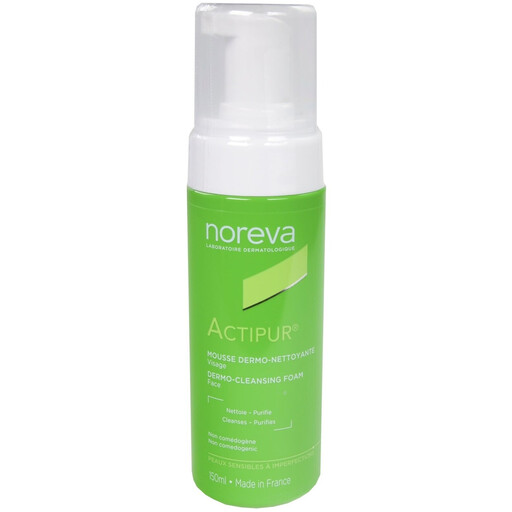
Why we recommend this product: The Noreva Actipur Cleansing Foam is specifically designed for the hygiene of sensitive, blemish-prone skin. Its soap-free and AHA-free formula makes it exceptionally well-tolerated, even on severely inflamed skin. The active ingredient Zinc Gluconate targets sebum regulation and limits bacterial proliferation. The dense foam texture allows for a gentle cleanse with minimal friction and can also be used as a shaving foam.
Benefits:
Best for: Individuals with sensitive, irritated, and acne-prone skin seeking an extremely mild yet effective daily cleansing solution.
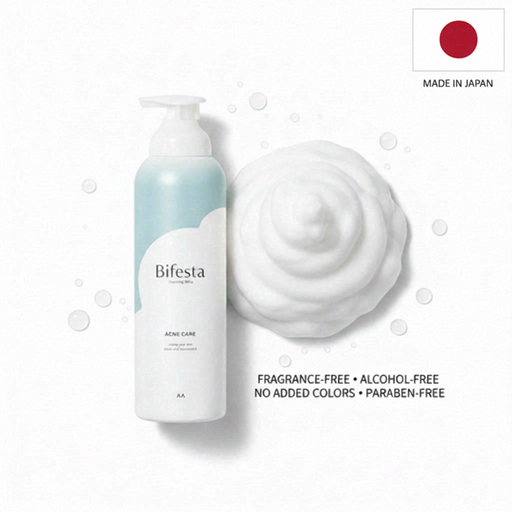
Why we recommend this product: This Japanese acne cleanser utilises an innovative carbonated micro-foam technology. The foam, generated at the push of a button, is ultra-dense, and its bubbles are smaller than pores, enabling a deep pore cleanse without the need for harsh rubbing. The formulation contains a medicinal combination of active ingredients: Isopropyl Methylphenol (antibacterial) and Dipotassium Glycyrrhizate (anti-inflammatory) to actively combat the root causes of acne. Hyaluronic acid helps prevent the skin from drying out.
Benefits:
Best for: Users looking for a technologically advanced cleansing solution with a friction-free application that specifically soothes active inflammation and combats blemishes.
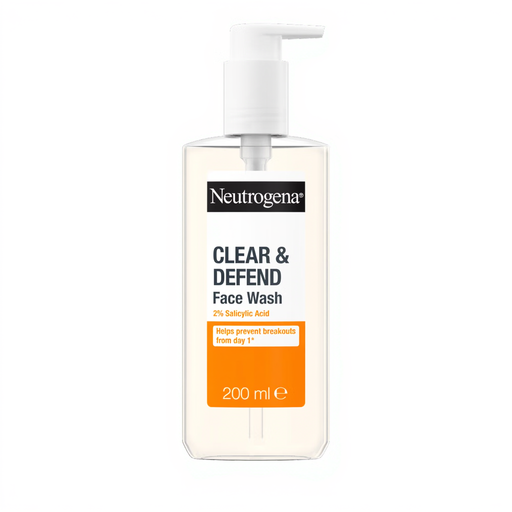
Why we recommend this product: This anti-pimple facial wash from Neutrogena relies on a proven 2% concentration of Salicylic Acid to effectively combat skin impurities. The formulation was developed in collaboration with dermatologists to reduce pimples and prevent new ones from forming. As an oil-free gel, it thoroughly cleanses the skin without clogging pores while preserving the skin's natural balance.
Benefits:
Best for: Individuals with oily skin and stubborn blemishes who are looking for a targeted salicylic acid wash gel for their daily routine.
The requirements for a cleansing product are highly individual and depend on your skin condition and personal preferences. If these recommendations do not include the perfect product for your specific needs, you can find a broader selection in our main category for facial cleansing products.
1. How often should you use a facial cleanser for blemish-prone skin? For most skin types, cleansing twice daily—morning and evening—is recommended. In the morning, to remove sebum and sweat produced overnight, and in the evening, to eliminate makeup, dirt, and environmental pollutants from the day. Over-cleansing should be avoided as it can weaken the skin barrier.
2. Can the wrong facial cleanser worsen acne? Yes. Products with harsh surfactants, high alcohol concentrations, or an unsuitable pH level can damage the skin barrier and dry out the skin. This can lead to a compensatory overproduction of sebum (reactive seborrhea) and promote inflammation, which can exacerbate existing acne.
3. Is a salicylic acid wash gel suitable for sensitive skin? This depends on the concentration of salicylic acid and the product's overall formulation. In low concentrations (e.g., 0.5% to 1%) and when combined with soothing and moisturising ingredients, it can be well-tolerated even by more sensitive skin types. For very sensitive or irritated skin, it is advisable to start with an application every other day or to choose a product specifically formulated for high tolerance, such as a mild cleansing foam.