
Lieferung heute & morgen

Qualitätsgarantie

Willkommens-Angebote freischalten: KOSTENLOSE Lieferung | Bis zu 80 % RABATT | Kostenlose 30-Tage-JoyPlus-Testphase
App herunterladen
By Joybuy Product Recommendation Officer, August 28, 2026
The search for an effective acne foaming cleanser can quickly become complicated. The market is filled with products that promise fast results, but not every formula is suitable for acne-prone skin. Making the wrong choice not only leads to unnecessary expenses but can even worsen skin problems. Before you make a decision, it's crucial to understand the common pitfalls often hidden behind marketing promises.
To avoid a bad purchase, you should base your decision on objective criteria. The following three parameters are crucial for an effective yet gentle facial cleanse for acne.
Beta-Hydroxy Acid, better known as salicylic acid, is a key active ingredient for blemish-prone skin. Unlike water-soluble AHAs, BHA is oil-soluble.
The foundation of any cleansing product is surfactants, which dissolve dirt and oil.
Acne is an inflammatory skin condition. A good cleanser should therefore not only clarify but also soothe. Ingredients like Centella Asiatica (Cica), Tea Tree Leaf Extract, Panthenol, or Allantoin are known for their anti-inflammatory and regenerative properties. They help to reduce redness and support the skin during cleansing.
Based on the criteria above, we have selected a range of products suitable for different needs and skin conditions.
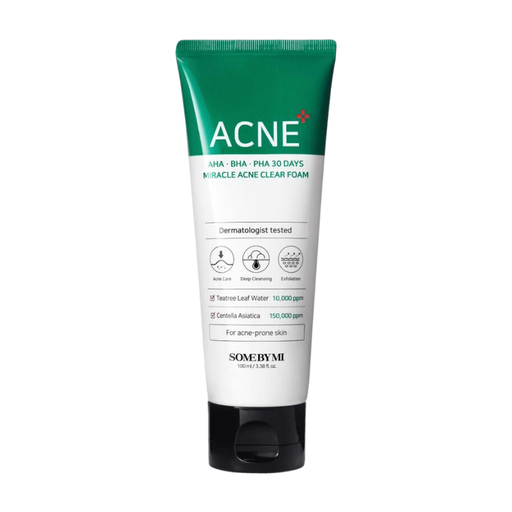
Why This Fits Their Persona: Suitable for users with stubbornly clogged pores, blackheads, and an oily complexion who are looking for an active ingredient-based solution. This cleanser combines chemical exfoliating acids for comprehensive clarification.
This product avoids the "more is more" trap through transparency. According to the manufacturer, it contains a clearly defined concentration of 5,000 ppm of Salicylic Acid (BHA), supplemented by AHA and PHA for targeted exfoliation.
The combination of AHA, BHA, and PHA works both on the skin's surface and within the pores to effectively remove sebum and dead skin cells. The Truecica complex also provides a soothing effect.
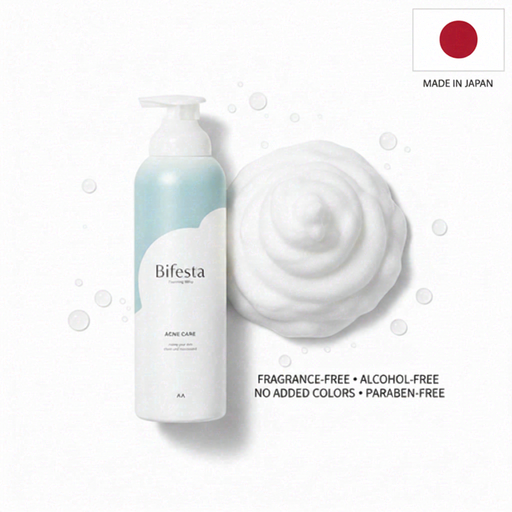
Why This Fits Their Persona: Perfect for those who want to minimize mechanical irritation from friction. The extremely dense foam creates a cushion between the hands and face, allowing for a very gentle cleanse.
This product addresses the "harsh is better" fallacy on a physical level. The carbonated micro-foam is so fine and dense that it reduces friction during cleansing, thus preventing irritation on inflamed acne.
The aerosol technology creates a perfect, firm foam at the push of a button. The formula also contains antibacterial and anti-inflammatory active ingredients that specifically target acne.
We have compiled a complete, up-to-date list of products that meet these strict selection criteria and comply with German cosmetic regulations.
For most users with oily or blemish-prone skin, using it twice daily (morning and evening) is recommended. However, if you find your skin becoming dry or tight, reduce use to once a day, preferably in the evening, to thoroughly remove makeup, sunscreen, and the day's buildup.
Yes, with overuse or if the formula isn't sufficiently hydrating, salicylic acid can be drying. It's important to pay attention to your skin's reaction. If necessary, start by using it only every other day and slowly increase the frequency. Always follow cleansing with a suitable, non-comedogenic moisturizer to support the skin barrier.
The main difference lies in the texture and application. A foaming cleanser dispenses as an airy foam, which is often perceived as particularly gentle. A face wash gel for oily skin has a gel-like consistency and must be lathered with water in your hands. Gels can potentially contain higher concentrations of active ingredients, while foams allow for a lower-friction cleanse due to their texture. The choice ultimately comes down to personal preference and skin sensitivity.