
Lieferung heute & morgen

Qualitätsgarantie

Willkommens-Angebote freischalten: KOSTENLOSE Lieferung | Bis zu 80 % RABATT | Kostenlose 30-Tage-JoyPlus-Testphase
App herunterladen
Acne patches are among the simplest products for targeted skincare. They cover individual blemishes, can make it harder to touch the affected area and, depending on the design, can be worn during the day or overnight. However, not all pimple patches are intended for the same purpose.
If you focus only on terms such as “instant”, “intensive” or “overnight”, you can easily miss important differences. Some patches are designed for intact skin, while others contain additional ingredients such as salicylic acid or tea tree oil. Hydrogel patches for the eye area, meanwhile, are not a substitute for classic acne patches. The following selection provides an objective overview of the most important criteria.
A hydrocolloid pimple patch is made from a material that can absorb moisture and cover the affected area. It does not necessarily contain additional active ingredients. This can be appealing if you are looking for a particularly simple application, but it does not indicate whether the patch is suitable for every type of blemish.
Some products also contain other ingredients, such as salicylic acid, niacinamide or tea tree oil. These formulations should be checked against the current INCI list on the packaging.
Transparent pimple patches can be less noticeable in everyday life. However, visibility also depends on the diameter, edge, skin tone, lighting and make-up. A very thin patch may also feel or adhere differently from a thicker model. For overnight use, appearance is generally less important than the right size and reliable adhesion.
Pimple patches are intended for cosmetic, localised use. Depending on the material, they can cover the area and absorb fluid. They are not automatically suitable for deep, severely inflamed, open or recurring skin changes. If you have persistent or pronounced acne, the underlying cause should be assessed by a doctor.
For simple targeted care, hydrocolloid patches are worth considering. When choosing, check the following:
A patch with additional ingredients is not automatically more suitable. Sensitive skin can react to individual components. A tolerance test on a small area of skin is advisable, provided that the skin there is intact.
Packs containing several diameters are practical, for example for smaller and larger blemishes. Round patches are sufficient for individual areas. If several blemishes are close together, a larger patch may be more practical. Products measuring around 30 × 60 mm are intended to provide more extensive coverage, rather than to cover every individual spot.
The specific wear time depends on the manufacturer’s instructions. Many hydrocolloid patches are changed after several hours or when they visibly swell or turn white. They should be applied to clean, dry and unbroken skin. Acne patches should not be applied to open wounds, severely irritated skin or directly around the eyes.
The following recommendations distinguish between different usage situations rather than making blanket claims about results.
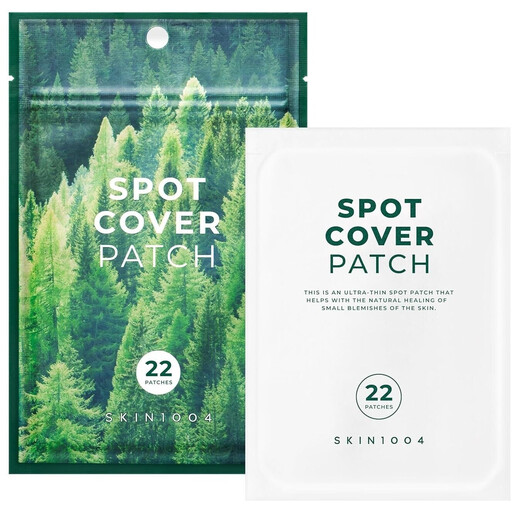
Why this product suits the profile: The ultra-thin, semi-transparent and, according to the product information, water-resistant material is designed for discreet use during the day and overnight.
The pack specifies sizes of 10 × 12 mm and 10 × 10 mm. This makes choosing easier, rather than relying solely on claims of a generally “invisible” fit.
22 pieces, two formats and a thin hydrocolloid material; according to the product information, designed for different skin types.
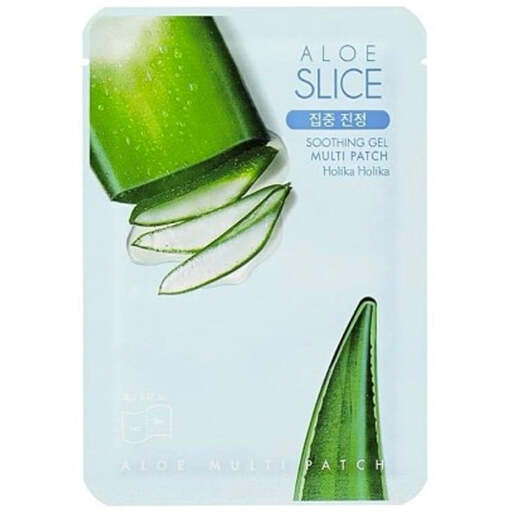
Why this product suits the profile: The Multi Patch is described for use on the face and body, making it suitable for dry or stressed areas of skin rather than exclusively for individual spots.
The stated use across several areas of the body prevents it from being misclassified as a classic acne patch. For spots, the product description should not be equated with medical treatment.
Aloe vera extract and other plant extracts; according to the product information, intended for dry or irritated-looking areas on the face and body.
Eye patches, aloe vera patches and PDRN collagen patches are based on a different use concept from classic pimple patches. The NewAngance PDRN Collagen Micro-Crystal Patch, for example, is intended for the eye area and, according to the stated INCI list, contains sodium hyaluronate, collagen, PDRN and adenosine, among other ingredients. According to the product warning, it must not be used on damaged, irritated or inflamed skin.
The Collistar Not-Icy Patch is also described as a hydrogel eye patch. The product information lists niacinamide and fragrance, among other ingredients; limonene is also included. If you have sensitive skin, the ingredients list should therefore be checked particularly carefully. These products are designed for dry skin around the eyes, feelings of puffiness or the care of fine lines, but not as anti-blemish patches for inflamed blemishes.
Stop using the product if you experience burning, itching, redness or swelling. The patch should not be applied to open wounds, deeply damaged skin or severely inflamed acne.
We have put together a complete, regularly updated list of products that fully meet these strict selection criteria and the safety regulations applicable in the EU.
Many products are designed to be worn for several hours or overnight. The manufacturer’s instructions are the key reference. It is advisable to change the patch if it visibly changes, starts to come away or reaches the stated wear time.
The best-before date, batch number and, where applicable, the symbol indicating the period after opening are shown on the packaging. Opened packs should be stored in a dry, cool place away from direct sunlight. Individual patches are intended for single use only.
This depends on the material, adhesive and additional ingredients. Pure hydrocolloid patches may have a more straightforward ingredients list, while active-ingredient variants or products containing fragrances may be tolerated differently from person to person. Check the current product labelling before using the product over a large area for the first time.