
Lieferung heute & morgen

Qualitätsgarantie

Willkommens-Angebote freischalten: KOSTENLOSE Lieferung | Bis zu 80 % RABATT | Kostenlose 30-Tage-JoyPlus-Testphase
App herunterladen
A single spot can be an annoyance in everyday life – especially if you unconsciously touch it or want to cover it with make-up. Acne patches, also known as pimple patches, blemish patches or Pimple Patches, can cover the affected area directly and protect it from friction and external dirt.
However, the choice is far from straightforward. Not every product is a hydrocolloid patch for spots, and some product pages provide incomplete information. The following criteria can help you distinguish marketing claims from product features that are genuinely relevant in practice.
Star-shaped or colourful patches may look decorative, but they are not automatically more discreet. If you want to cover a spot, you should pay attention to colour, edge design, material thickness and adhesion. For school, college or the office, transparent acne patches with a matt or slim edge are usually more practical than attention-grabbing shapes.
Some Pimple Patches contain additional ingredients such as salicylic acid or tea tree oil. These may be appealing for certain skin types, but they also make individual skin tolerance more important. For sensitive or already irritated skin, a simple hydrocolloid patch without unnecessary fragrances is often the more sensible choice.
A large pack is only economical if the sizes included and the adhesion suit your needs. Check whether a set contains uniform or different diameters and how many patches are supplied per sheet or pack. Multipacks can make sense if you use patches regularly; for occasional use, a smaller selection is usually sufficient.
Hydrocolloid is a gel-forming material that can absorb fluid. When it comes into contact with moisture, the patch may become whitish or opaque. This is a visible sign that the material has absorbed fluid – it is not reliable evidence of a medical effect.
A classic hydrocolloid patch is mainly suitable for superficial, individual blemishes. Its absorption capacity is naturally limited when dealing with deep-seated, unopened skin lesions. Acne patches are not a substitute for a dermatological examination and should not be applied to large areas of damaged or severely inflamed skin.
Diameters of around 10 to 12 millimetres are commonly available for small areas. Different sizes make it easier to adapt the patch to the nose area, chin, forehead or cheek. A thin, tapered edge may fit the contours of the face more closely and potentially be less noticeable.
If you want to wear the patch during the day, you should also look for the following details:
The skin should be cleansed and completely dry before applying the patch. Residues from cream, oil, serum or sun protection can reduce adhesion. Apply the patch directly to the affected area and press it down for a few seconds.
Always follow the manufacturer’s instructions regarding wear time. For the products mentioned here, the recommended times range from several hours to overnight, for example. A patch that has already been used should not be reapplied. Stop using the product if redness, burning, swelling or itching occurs.
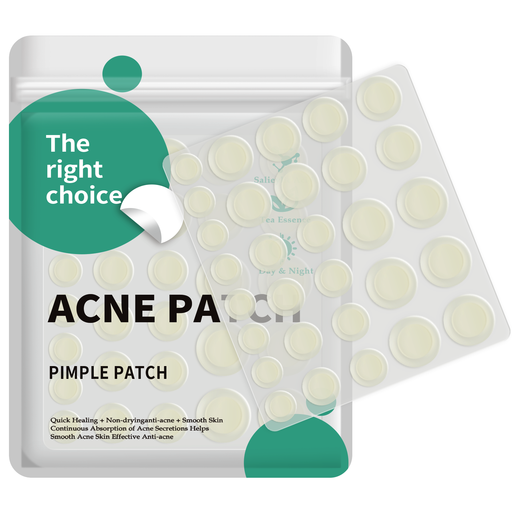
Why this product suits this profile: The pack of 30 patches offers a manageable starting point if you only need to cover individual spots occasionally.
The stated number of patches makes the pack size clear and reduces the risk of buying a very large bulk pack straight away.
30 patches per sheet; the manufacturer’s details and package contents should be checked against the product packaging before purchase.
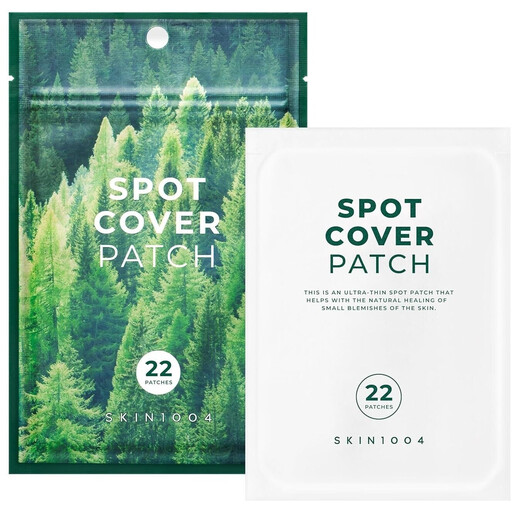
Why this product suits this profile: The ultra-thin, semi-transparent hydrocolloid design is intended for discreet use during the day or overnight.
The product description specifies the material, sizes, water resistance and recommended replacement intervals rather than making only general skincare claims.
22 patches in two sizes: 10 × 12 millimetres and 12 × 10 millimetres; according to the product information, made in Korea.
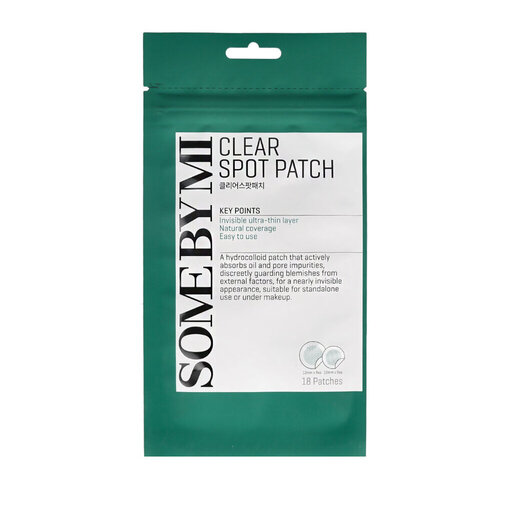
Why this product suits this profile: Two sizes and a matt, semi-transparent design are intended for individual areas of the face and discreet daytime use.
The details for the 10- and 12-millimetre patches help you match the size to the affected area instead of having to use a patch that is too large.
18 patches in two sizes; hydrocolloid material and matt, tapered edges according to the product description.
We have put together a complete, regularly updated list of products that fully meet these strict selection criteria and the safety regulations applicable in the EU.
If skin changes are frequent or painful, or if redness persists or severe irritation occurs, seeking medical advice is advisable. Spot treatment with a patch is intended for targeted use and is not a comprehensive acne-care routine.
This depends on the product. Many hydrocolloid patches are worn for several hours or overnight. Once the patch becomes noticeably discoloured, starts to come away or reaches the wear time specified by the manufacturer, it should be removed and replaced if necessary.
Blackhead patches and hydrocolloid patches are mainly intended for superficial, individual blemishes. Their absorption function is limited when dealing with deep spots without visible fluid. Do not squeeze them, and seek dermatological advice if you experience recurring problems.
According to the product description, some thin, matt products are suitable for discreet daytime use. However, the result depends on your skincare products, make-up and the patch’s adhesion. Always apply the patch to clean, dry skin first; you can then carefully apply make-up around it.