
Lieferung heute & morgen

Qualitätsgarantie

Willkommens-Angebote freischalten: KOSTENLOSE Lieferung | Bis zu 80 % RABATT | Kostenlose 30-Tage-JoyPlus-Testphase
App herunterladen
A single spot can stand out straight away when you look in the mirror. Acne patches, also known as pimple patches or spot stickers, are designed to cover the affected area and make you less likely to pick at it. Products can vary considerably in their materials, sizes, active ingredients, adhesion and pack contents.
So your choice shouldn’t be based solely on the packaging or marketing claims. What matters is whether the patch suits the type of blemish, how long you want to wear it and how well your skin tolerates it.
A patch only works on the area it covers, and it doesn’t replace a tailored skincare routine or advice from a dermatologist. Hydrocolloid patches mainly provide a physical barrier. Some versions also contain ingredients such as salicylic acid, tea tree oil or niacinamide, which may not suit everyone.
A spot treatment may not be enough for recurring, painful or widespread acne. If symptoms persist, it’s worth seeking medical advice.
A patch that’s too small won’t cover the blemish completely. One that’s too large may lift at the edges or be more noticeable during the day. That’s why it’s worth checking the exact measurements in millimetres, rather than relying on descriptions such as ‘extra large’ or ‘ultra-thin’.
Sizes of around 9 to 12 mm are common for individual small spots. Larger patches can cover several nearby blemishes or a wider problem area.
A pack of 90 patches may be more economical if you use them regularly. However, if you have sensitive skin or want to try a new material first, a smaller pack may be a lower-risk choice. The number of sizes and sheets in the pack also matters: 36 patches in two sizes are not the same as 36 identical stickers.
Hydrocolloid patches form an adhesive protective layer and can absorb fluid or wound discharge. A well-fitting patch also protects the area from friction, dirt and touch. However, the material doesn’t mean that every type of acne can be treated in the same way.
Patches with active ingredients may also contain salicylic acid, tea tree oil or niacinamide, for example. If you have sensitive skin, check the full INCI list and take care when trying a new product. Fragrances or certain plant extracts may cause unwanted reactions in some people.
Transparent pimple patches and thin, matte versions are often less noticeable during the day and under make-up. Ideally, the edges should taper down smoothly while the adhesive area covers the whole blemish. At night, a secure fit may matter more than how visible the patch is.
Your skin should be clean and completely dry. Skincare oil, cream or serum under the patch can affect how well it sticks. Place the patch directly over the affected area and replace it as directed by the manufacturer or when it becomes visibly cloudy. A patch is a single-use product and shouldn’t be reused.
Don’t apply it to open wounds, deep cuts, or skin that’s very irritated or inflamed. Stop using it if you experience redness, itching or a burning sensation.
The recommendations below group specific products by practical everyday needs. The sizes, ingredients and quantities listed for each product are the key things to consider.
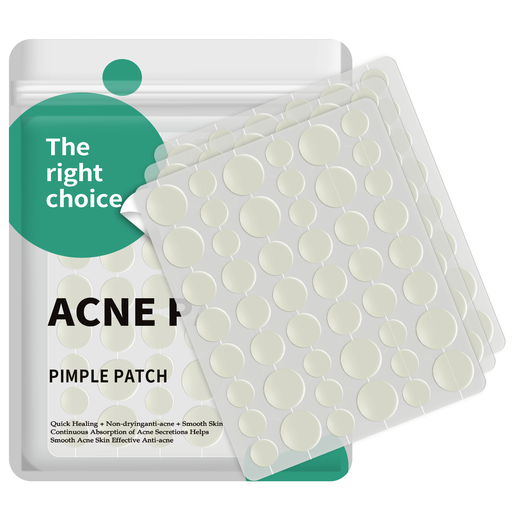
Why this product suits this profile: Three sheets with 48 patches in total offer a manageable starting point for occasional use on individual blemishes.
The patch count is clearly stated, so you don’t have to rely on a prominent product name to work out how many you’ll actually get.
48 patches across three sheets; a handy way to try pimple stickers as part of your everyday routine.
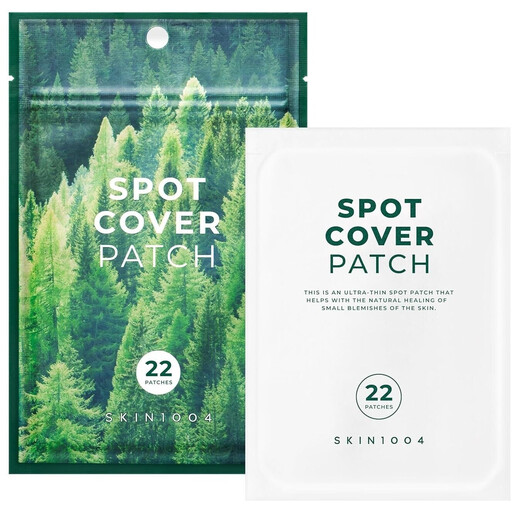
Why this product suits this profile: According to the product information, its semi-transparent, ultra-thin design is intended to be discreet during the day and at night.
The pack contains 10 patches measuring 12 mm and 12 measuring 10 mm. You can choose according to the area and diameter you need, rather than relying on a general size description.
22 patches; two sizes; hydrocolloid material; described in the product information as suitable for sensitive, blemish-prone skin.
We’ve put together a complete, regularly updated list of products that meet these strict selection criteria and fully comply with the safety regulations in force in the EU.
A hydrocolloid patch may not absorb much from deep, painful blemishes that haven’t opened. If your skin gets significantly worse, you develop severe redness or your acne keeps coming back, seek medical advice.
Wear time depends on the product. Many pimple patches are designed to be worn for several hours or overnight. Replace the patch if it becomes visibly cloudy, once the time stated on the packaging has passed, or if it starts to lose its grip. Always follow the manufacturer’s instructions.
Hydrocolloid patches are best suited to surface blemishes that are clearly defined. They may absorb less fluid from deep-seated lumps without a visible opening. An acne patch protects the area and can help reduce touching, but it isn’t a substitute for a tailored acne treatment.
Thin, transparent versions are designed for more discreet daytime use. Don’t apply make-up under the patch, as skincare and cosmetic residue can affect how well it sticks. Depending on the product, you may be able to apply make-up over the patch; follow the instructions on the packaging.