
Lieferung heute & morgen

Qualitätsgarantie

Willkommens-Angebote freischalten: KOSTENLOSE Lieferung | Bis zu 80 % RABATT | Kostenlose 30-Tage-JoyPlus-Testphase
App herunterladen
Spots, redness, acne scars and dark marks do not automatically require an extensive routine. Often, a targeted combination of spot care, a suitable serum, moisturiser and daily sun protection is more effective than using lots of products at the same time. With acne and pigmentation care, it is therefore less about eye-catching marketing claims and more about ingredients, application and skin tolerance.
A niacinamide serum, an azelaic acid serum, a vitamin C product and an exfoliant can all overlap in one routine. This increases the risk of tightness, stinging or redness, particularly if your skin is sensitive or prone to blemishes. New products should be introduced one at a time and initially tested on a small area of skin.
Hydrocolloid patches can absorb fluid and protect the affected area from friction or touching. However, they are not a replacement for comprehensive anti-spot care and are not suitable for every type of blemish. For deep-seated, closed bumps, the benefits of a hydrocolloid spot patch are naturally limited.
A serum for pigmentation will not change your skin tone overnight either. Visible progress depends, among other things, on the cause of the discolouration, how regularly the product is used and UV protection.
Terms such as “Brightening”, “Glow” or “Dark Spot” reveal little about the actual formulation on their own. Before buying, check the complete ingredients list, fill quantity, directions for use and warnings. With imported K-beauty products, details may vary between batches. The product packaging is the authoritative source.
Lightweight gels and fast-absorbing serums are practical for everyday use. If you want to wear products under make-up, look for a thin, non-sticky texture. A brightening face mask is better suited to use once or twice a week as a complementary treatment and should not be used at the same time as several potentially irritating active products.
Pigmentation can become more visible as a result of UV exposure. Broad-spectrum sun protection in the morning is therefore an important part of caring for an uneven skin tone. A product with SPF does not automatically replace applying a sufficient amount or reapplying during prolonged sun exposure.
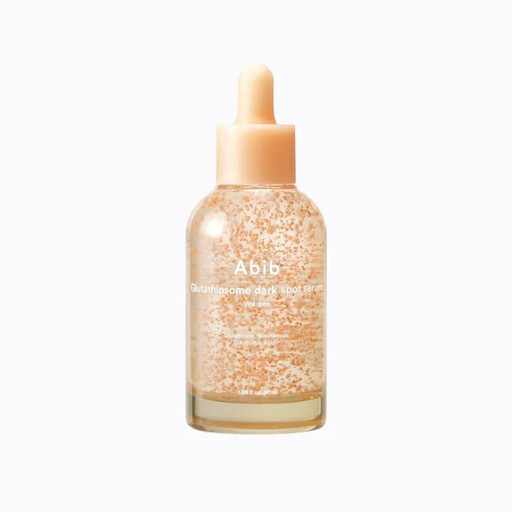
Why this product suits this profile: According to the product description, this 50 ml serum combines niacinamide, glutathione and various vitamin C derivatives in a lightweight texture.
The ingredients list is provided, allowing you to compare it with your personal exclusions for sensitive skin before buying.
50 ml contents, a lightweight texture and several listed ingredients for caring for an uneven-looking complexion.
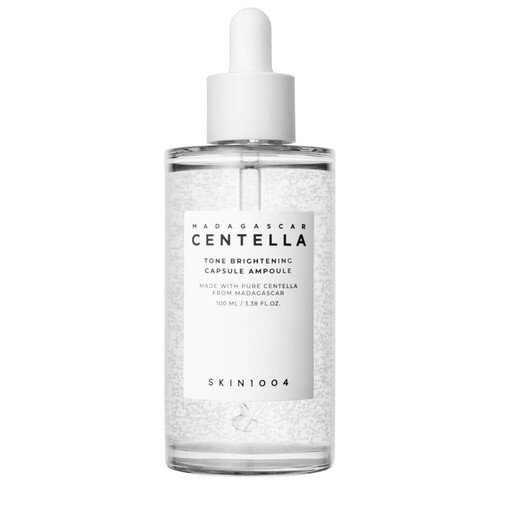
Why this product suits this profile: This 100 ml ampoule may appeal to people looking for a daily serum with Centella asiatica extract, niacinamide and tranexamic acid.
The generous quantity and specific dosage recommendation make it easier to estimate ongoing product costs and usage.
100 ml contents, Madecassoside microcapsules according to the product details, plus 4% niacinamide.
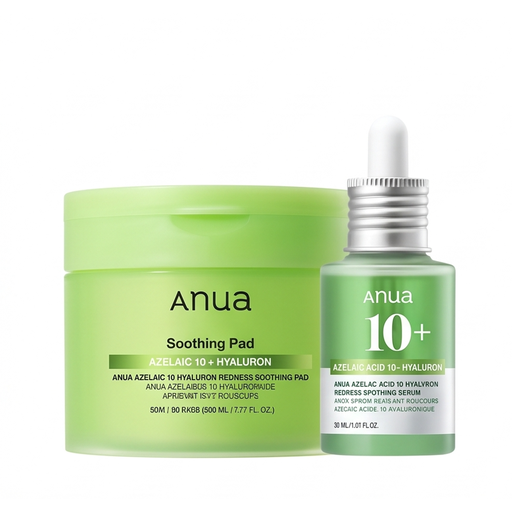
Why this product suits this profile: The set combines a 30 ml azelaic acid serum with 90 pre-soaked pads, making it suitable for a clearly structured two-step routine.
The products are clearly presented as a duo, making it easy to understand the individual application steps and quantities included before buying.
10% azelaic acid in the serum according to the product name, plus 90 pads; use after cleansing and before moisturising.
We have put together a complete, regularly updated list of products that fully meet these strict selection criteria and the safety regulations applicable in the EU.
If severe redness, swelling, pain or inflammatory skin changes persist, stop using the product and seek dermatological advice. Cosmetic skincare is not a substitute for medical treatment.
This depends on the individual product. Many hydrocolloid patches should be removed when they turn whitish or after several hours. Always follow the information on the packaging. A patch should not be used on severely damaged skin or open wounds, and should not be reused.
In general, both ingredients are commonly used in facial skincare. However, if you have sensitive skin, it is sensible to introduce just one product at first and monitor how your skin responds. If you experience stinging, itching or increasing redness, pause use.
Ongoing costs depend on the quantity, how much product you use and how often you apply it. A serum is usually used daily, while a brightening face mask or patch is only used as needed. Larger packs can reduce the cost per item, but they are only economical if the product is used regularly.