What should you look for when buying?
First decide whether you’ll mainly edit in a quiet environment or also monitor while recording. Then compare the fit, cable and connections with your workstation.
| Criteria |
What to look for |
Who should consider it? |
| Comparing tracks |
Listen to the same familiar passage on the specific models at a similar, moderate volume. Manufacturers’ claims about mixing or analytical listening are no substitute for comparing them with your own tracks. |
If you want to assess pick attacks, edits and stereo positioning while editing, comparing tracks should be your priority; around 36% of consumers would put this first. Sennheiser describes the HD 560S as an open-back headphone for A/B comparisons. |
| Sound leakage when recording |
At your usual monitoring volume, make a test recording to check whether headphone sound is audible through the microphone, and check how the ear pads fit. Focusrite recommends closed-back headphones for monitoring close to microphones. |
If you play in front of a microphone or want to block out background noise at your workstation, closed-back design is especially important; around 29% of consumers would prioritise sound isolation when recording. |
| Comfort during long sessions |
Wear the headphones for a typical work session and check the clamping force and how warm they feel. Also check whether suitable replacement pads are available. |
If you edit lots of passages in a row, a comfortable fit is essential; around 21% of consumers would prioritise long-term comfort. For the DT 900 PRO X, beyerdynamic lists velour ear pads and a weight of 345 g without the cable. |
| Connection and cable routing |
Check the socket, plug and supplied adapter against your computer or audio interface. Route the cable so it doesn’t get in the way of your mouse or guitar. |
If cables or plugs can quickly get in the way on your small desk, the connection and cable routing matter more; around 14% of consumers would put practical use first. Focusrite notes that TRRS headsets can cause connection problems with TRS headphone outputs. |
Joybuy products
This selection includes over-ear headphones for audio playback. Models explicitly listed as closed-back are relevant for monitoring close to a microphone; also check that the connection works with your setup.
 No image available
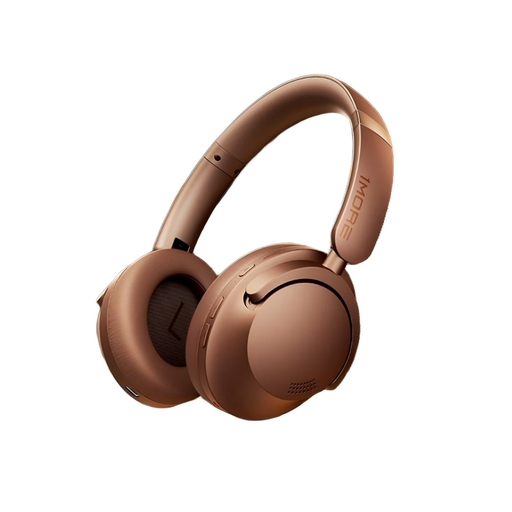
1MOREHQ51 SonoFlowPro Global Mocha Brown
The product information lists active noise cancellation. Check that the connection to your computer or audio interface suits your editing workflow.
Features listed include 40 mm drivers, active noise cancellation and memory foam ear pads.
View at Joybuy
 No image available
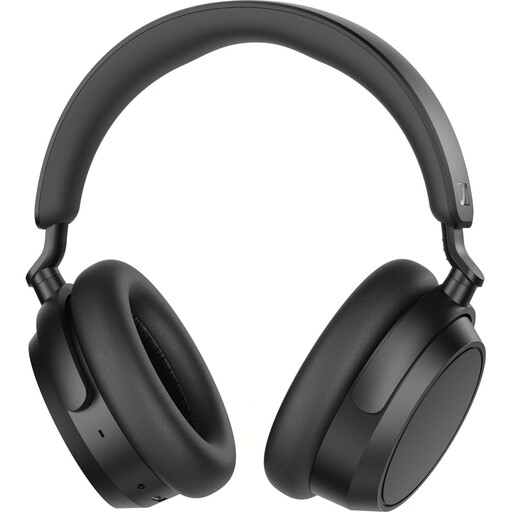
Sennheiser Accentum Plus Wireless
Its explicitly stated closed-back design suits Focusrite’s advice for monitoring close to a microphone. Use a test recording to check whether headphone sound leaks into the recording.
The product title lists Bluetooth 5.2 and aptX. A detachable cable and 2.5 mm audio connection are also specified; check they’re compatible with your setup.
View at Joybuy
 No image available
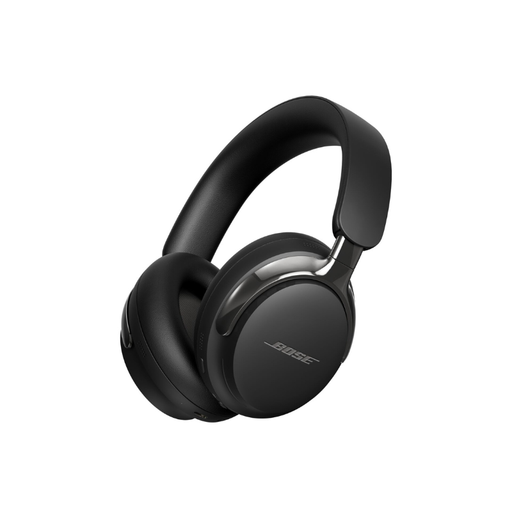
Bose QuietComfort Ultra 2nd Gen
The stated closed-back design is relevant for monitoring close to a microphone; try the headphones at your own recording setup.
A 3.5 mm audio cable is listed as included. The foldable design may be useful for storage in a small space; check that the connection works with your device.
View at Joybuy
Frequently asked questions
Are open-back headphones suitable for monitoring while playing in front of a microphone?
For musicians playing close to a microphone, Focusrite recommends closed-back headphones to reduce sound leakage. Check this with a test recording at your usual monitoring volume.
Can I plug a headset straight into the headphone output on my audio interface?
First check the socket and plug. Focusrite notes that TRRS headsets with a microphone can produce faulty sound when used with TRS headphone outputs; if you have a 6.35 mm output, you may need a suitable adapter for a 3.5 mm stereo plug.
What should I bear in mind during long editing sessions?
Check the fit over the length of a typical work session and listen at a moderate volume. The World Health Organization notes that safe listening time decreases as volume increases, and recommends taking regular listening breaks.
What if my headphones are faulty or defective?
If you buy faulty goods from a business seller in the EU, you’re entitled to a legal guarantee of at least two years from the date you receive them. Your Europe notes that an additional commercial guarantee cannot remove or limit these rights.
Can I return headphones bought online in Germany?
For online purchases from a business seller, you generally have 14 days from receiving the goods to withdraw from the contract. Before buying, check the information on return costs and any legally relevant exceptions; this doesn’t mean that every pair of opened headphones is automatically excluded from the right to withdraw.


