Unwanted reverberation in large rooms, distracting background noise during video conferences in the home office, or muddled sound when listening to music—these are common acoustic problems. An effective solution that also serves as a modern design element is the acoustic wood panel.
This article serves as a guide. It explains what to look for when making a selection and presents specific product options that can enhance both the functionality and aesthetics of a room. The goal is to provide you with a solid basis for making an informed decision for targeted noise reduction and the optimisation of your room's acoustics.
Buyer's Guide: What to Look for When Choosing Acoustic Panels
Before you make a decision, there are several technical and practical aspects to consider. The following points will help you find the right product for your needs.
1. Material Construction and How They Work
An acoustic panel is more than just decorative wood slat wall cladding. Its effectiveness is based on the interplay of two components:
- The backing layer: This usually consists of a high-density felt or a special acoustic fleece. This porous material is the actual sound absorber on the wall. Sound waves penetrate the material and are converted into thermal energy through friction. This helps to reduce reverberation.
- The slats: The slats mounted on the felt, made of wood or with a wood-effect wall panel finish, are not just for aesthetics. They break up and scatter (diffuse) the sound waves that are not absorbed by the felt. This contributes to a more balanced and natural soundscape in the room.
Pay attention to the thickness and density of the felt material, as these parameters significantly influence absorption performance.
2. Application and Placement
The purpose determines the choice. Do you want to improve speech clarity in your home office or create a professional recording studio setup?
- For offices and living spaces: The focus here is often on reducing general reverberation and creating a quieter atmosphere. Partially covering one or two walls is usually sufficient.
- For recording studios, podcasting, or gaming rooms: In these environments, precise acoustic control is crucial. A larger surface application or targeted placement at the first reflection points (the spots where sound from the speakers first hits a wall) can be useful to improve acoustics.
An acoustic panel set often offers a cost-effective starting point and allows for flexible arrangement.
3. Installation and Format
Modern acoustic panels are designed for straightforward installation. Before purchasing, check the available mounting options:
- Adhesive: Many panels can be attached directly to the wall with construction adhesive or strong double-sided tape. This is a quick and easy method for smooth surfaces.
- Screws: For a permanent and particularly secure attachment, especially on uneven walls or ceilings, screwing is recommended. The screws are often colour-matched to the slats or concealed within the black felt.
The size of the panels is also relevant. Larger formats cover a lot of surface area quickly, while smaller sets offer more flexibility in creating patterns.
Our Top Acoustic Panel Picks
Based on the criteria of design, material, and application flexibility, we have compiled a list of recommended models.
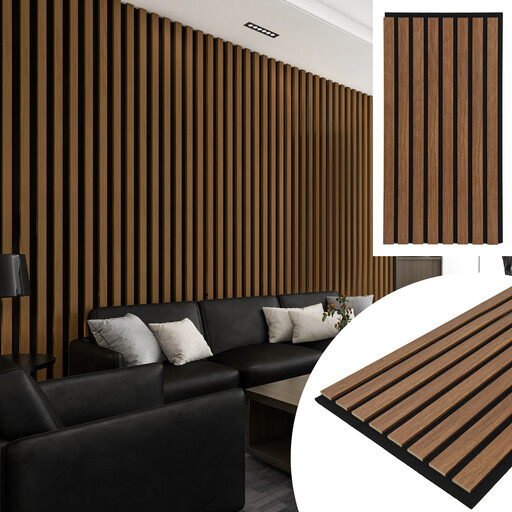
LONGKING 3D Acoustic Panels in Walnut, 4-Pack

This set combines appealing aesthetics with solid acoustic performance. The 30x60 cm panels are excellent for creating targeted accent features or covering smaller areas.
- What makes it stand out: The slats in a walnut acoustic panel finish create a warm, natural atmosphere. The 3D structure of the wood slats ensures effective sound diffusion, while the dense felt backing absorbs sound.
- Advantages:
- Set of four panels for flexible design
- Effectively reduces echo and reverberation
- Easy installation with tape (included) or adhesive
- Deep, linear design for a modern wall feature
- Who is it for?: Ideal for the acoustic and visual enhancement of home offices, living rooms, or bedrooms where a quieter environment is desired.
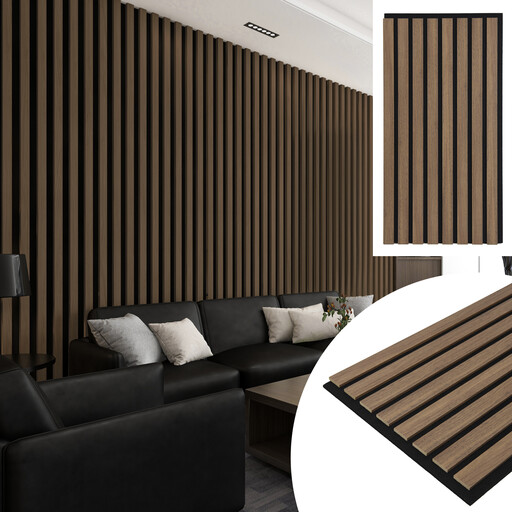
LONGKING 3D Acoustic Panels in Dark Walnut, 4-Pack

For lovers of darker, richer wood tones, this version offers an elegant alternative. The functionality is identical to the lighter walnut version.
- What makes it stand out: The rich, dark walnut tone gives rooms a sophisticated and contemporary feel. The combination of a 3D surface and high-density felt ensures balanced room acoustics.
- Advantages:
- Elegant, dark wood look
- Effective control of reverberation and background noise
- Lightweight and easy to install
- Versatile for use in modern living and working environments
- Who is it for?: A great choice for anyone looking to make a bold design statement without compromising on acoustic performance. It pairs well with modern and minimalist interior styles.
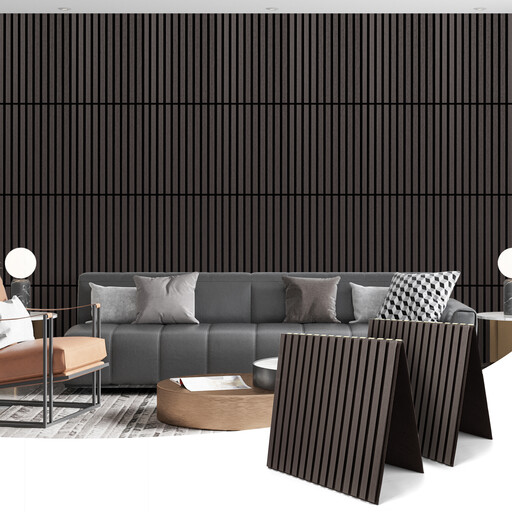
LONGKING Foldable Wood Acoustic Panel Set, 2-Pack

This set stands out for its large format and practical design. The two 120x60 cm panels are ideal for quickly and extensively improving room acoustics.
- What makes it stand out: The foldable design allows for easy transport and compact storage. The panels are made of high-density polyester fibre and a walnut-effect wood frame. They are specifically designed for high sound absorption.
- Advantages:
- Large format (120x60 cm) for maximum impact
- Foldable design for transport and storage
- High absorption performance thanks to dense polyester fibre
- Wall mounting hardware included
- Who is it for?: Especially recommended for users with higher acoustic demands, such as musicians, podcasters, or gamers. Also suitable for larger home office panel solutions where maximum noise reduction is needed over a specific area.
Looking for More Options?
Installing wall panels is one part of a successful room project. For more extensive DIY projects on your wall cladding or other woodworking tasks, you might need the right tools.
? Explore our range of woodworking tool sets to be prepared for any job.
Frequently Asked Questions (FAQ)
1. How many acoustic panels do I need for a room?
A general recommendation is to cover about 15% to 25% of a room's wall surface to achieve a noticeable improvement. It is advisable to focus on one or two adjacent walls. Start with a smaller area and expand if necessary until the desired acoustic effect is achieved.
2. Do acoustic panels also improve soundproofing from neighbours?
It's important to make a distinction here. Acoustic panels are primarily designed for sound absorptionwithin a room. They reduce reverberation and echo, thus improving the room's acoustics. They only have a minor effect on wall soundproofing, which is the blocking of sound transmission into or out of a room. Effective soundproofing requires structural measures, such as building a decoupled wall.
3. Can wood acoustic panels be easily installed by myself?
Yes, most acoustic panels available on the market, including the models presented here, are designed for DIY installation. Depending on the product and the surface, they can be attached to the wall with special construction adhesive, double-sided tape, or screws. The panels are typically lightweight, which makes handling them even easier.