A fresh coat of paint can breathe new life into a room. The first step is often finding a suitable painting set. However, the market is flooded with offers that promise more than they deliver. Many DIY enthusiasts invest in a supposed all-in-one kit, only to find mid-project that crucial parts are missing or the tools become unusable after a short time. As your Joybuy Product Recommendation Officer, I'll help you spot these pitfalls and make an informed decision.
The Typical Pitfalls When Buying Painting Supplies
Before you invest your money, you should be aware of the three most common problems that occur with low-quality painting sets. Understanding these is the first step toward a successful paint job without the frustration.
- The "Incomplete" All-in-One Kit: Many sets advertised as "complete" only contain the absolute basics, like a paint roller and a tray. Essential tools for preparation—such as a putty knife for filling holes or fine brushes for corners—are often missing. This forces a second, unplanned trip to the store.
- The Wrong Materials for Your Project: A cheap foam roller might be suitable for a smooth door, but it will leave an uneven, patchy result on textured wallpaper. Likewise, brushes with low-quality bristles can shed and ruin the fresh paint.
- Poor-Quality Workmanship: A wobbly roller frame, a paint tray made of brittle plastic, or a brush whose handle comes loose after the first cleaning—such defects are not just annoying; they can significantly complicate the work and compromise the final result.
What Really Matters: The Core Features of a Good Painting Kit
To avoid the problems mentioned above, you should look for a few objective criteria when buying painting supplies. These define the quality and suitability of a set for your project.
1. The Paint Roller Material: Polyester, Acrylic, or Mohair?
Choosing the right roller is crucial for an even paint finish. The material and the pile height determine which paint and surface it is suitable for.
- Polyester and Acrylic Rollers: These are the all-rounders for most wall paints (emulsion paints). They absorb paint well and release it evenly. They are suitable for smooth to lightly textured surfaces like woodchip or plaster. A common size for walls is 18 cm width.
- Foam and Mohair Rollers: These rollers have a very fine texture and are intended for lacquers and varnishes on smooth surfaces like doors, furniture, or radiators. They create an exceptionally smooth finish. For such tasks, a smaller lacquer set with 10 cm wide rollers is often practical.
2. The Quality of the Brush and Paint Roller Set
A good brush and paint roller set is characterised by sturdy and durable components.
- Brushes: Look for densely packed bristles that are firmly anchored in the ferrule (the metal part). Synthetic bristles are now a great choice for most water-based paints as they hold their shape and are easy to clean. A set should include at least one flat brush for surfaces and a smaller brush for corners and edges.
- Roller Frame: The frame should be stable and hold the roller securely without it wobbling or slipping during painting. An ergonomic handle can significantly increase comfort during long jobs.
3. The Completeness of the Painting Accessories Kit
A well-thought-out wall renovation kit should include more than just a brush and roller. Check if the following components are included, or plan to purchase them separately:
- Paint tray with a roller grid: Essential for removing excess paint from the roller and enabling drip-free work.
- Putty knife: For repairing small cracks or holes in the wall before painting.
- Dust sheets and masking tape: To protect floors, furniture, and to cleanly mask off edges.
Our Picks for Specific Needs
To make your choice easier, we have compiled a few products tailored to different projects and requirements.
IDEAL FOR: BEGINNERS WITH A SMALL PROJECT
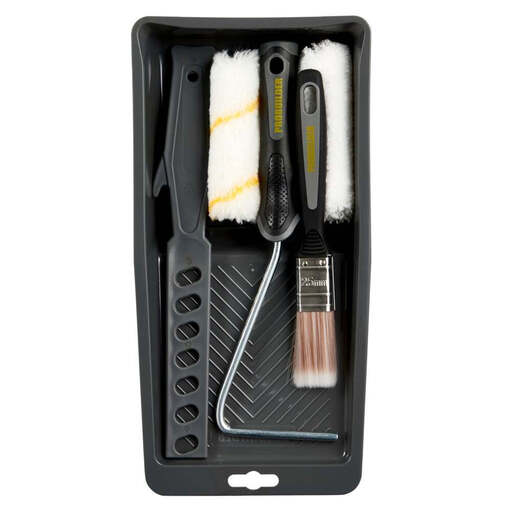
Why this set is a great fit: Perfect for painting a single accent wall, touching up smaller areas, or lacquering furniture and radiators. Its compact size is practical and easy to handle.
How It Avoids the Pitfall
This set bypasses the "incomplete" kit trap for small projects by including everything you need to start immediately: two different roller types, a brush, a frame, a tray, and even a stirring stick.
Key Advantage
Includes one microfibre and one acrylic roller, offering flexibility for different paints and surfaces in a compact format.
IDEAL FOR: WHOLE-ROOM RENOVATIONS
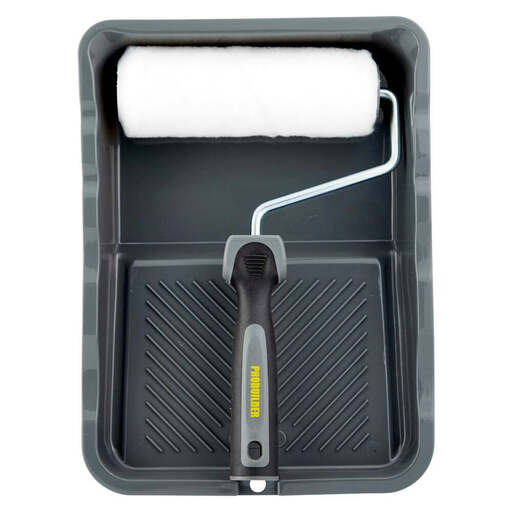
Why this set is a great fit: Designed for efficiency on larger projects. Anyone painting an entire room or multiple walls will benefit from the wide roller and large paint tray.
How It Avoids the Pitfall
With its 18 cm polyester roller, this set provides the right tool for standard wall paints on common surfaces. It avoids the problem of having to work with unsuitable materials.
Key Advantage
The combination of a wide roller (18 cm) and a large tray (34 x 26 cm) allows for fast and efficient work on large areas.
IDEAL FOR: METICULOUS PREPARATION
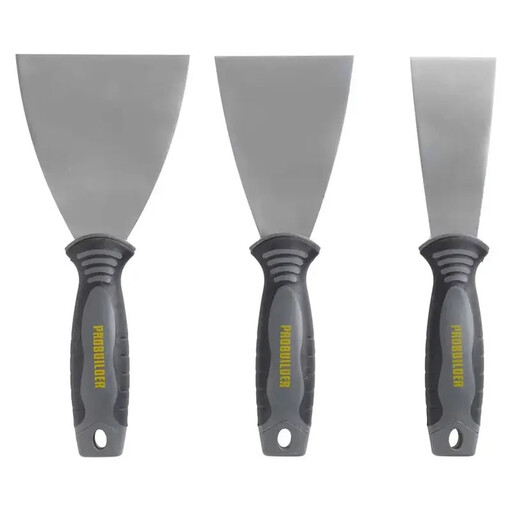
Why this set is a great fit: A smooth surface is the foundation of any good paint job. This putty knife set is for anyone who wants to professionally prepare walls before painting.
How It Avoids the Pitfall
This set is the direct answer to incomplete painting kits. It provides the necessary tools to fill cracks and holes—a step that is often overlooked but is crucial for the final result.
Key Advantage
Three different widths (50, 75, 100 mm) offer the necessary flexibility for various repair jobs, from fine cracks to smoothing larger areas.
Looking for More Options?
We have compiled a comprehensive, up-to-date list of products that fully meet these strict selection criteria and current regulations.
Frequently Asked Questions (FAQ)
What should a good painting set include?
A functional painting set should contain the basic tools for paint application and surface preparation. This includes:
- A paint roller set with at least one frame and a matching roller
- A brush set with flat and angled brushes
- A paint tray with a roller grid
- Tools for surface preparation, like a putty knife
- Protective materials like dust sheets and masking tape
Which paint roller for which wall?
The rule of thumb is: the rougher the surface, the longer the pile (the fibre length) of the roller should be.
- Smooth walls, doors, furniture (lacquer): Short-pile rollers made of foam or mohair for a very fine finish.
- Textured wallpaper, light plaster (wall paint): Medium- to long-pile rollers made of polyester or acrylic. They penetrate the texture well and ensure an opaque coat of paint.
How do I clean painting tools correctly?
Proper cleaning immediately after use significantly extends the life of your tools.
- For water-based paints: Roll and brush out as much paint as possible on old paper or cardboard. Then, wash them thoroughly with lukewarm water and a little soap until the water runs clear.
- For solvent-based lacquers: Use the cleaner recommended by the paint manufacturer or a turpentine substitute. Perform the cleaning in a well-ventilated area.
- After cleaning: Reshape the brush bristles to their original form and store the tools lying flat or hanging up to dry.