
Lieferung heute & morgen

Qualitätsgarantie

Willkommens-Angebote freischalten: KOSTENLOSE Lieferung | Bis zu 80 % RABATT | Kostenlose 30-Tage-JoyPlus-Testphase
App herunterladen
Choosing the right action cam can be the difference between capturing your adventures in stunning quality and being disappointed with the footage. The market is flooded with models advertising high resolutions and rugged designs, but not all of them deliver on their promises. As your Joybuy Product Recommendation Officer, I'll help you understand the technical specs and sidestep common marketing traps so you can make an informed decision.
Many buyers are swayed by tempting marketing claims that often don't live up to expectations in practice. Here are two of the most common issues that can lead to a bad purchase:
To avoid falling into the traps mentioned above, you should focus on a few crucial technical features. These parameters determine the actual performance of your camera.
Based on these objective criteria, we have put together a few models for different user groups and use cases.
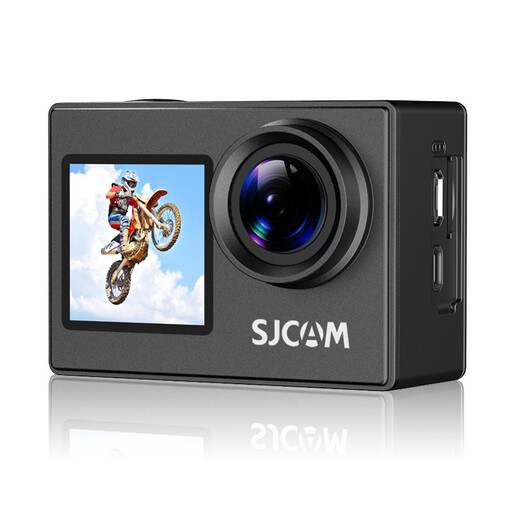
Why This Fits Their Persona: Ideal for users who want to get their first experience with an action cam without a large investment. The second front-facing display makes it easier to film vlogs or selfies.
The camera comes with a waterproof housing that guarantees use down to 30 metres, making no false promises. The 4K resolution is interpolated, which is appropriate for the price point and sufficient for beginners.
The dual-screen design is a useful feature in this price range. The replaceable 900 mAh battery allows for flexible use.
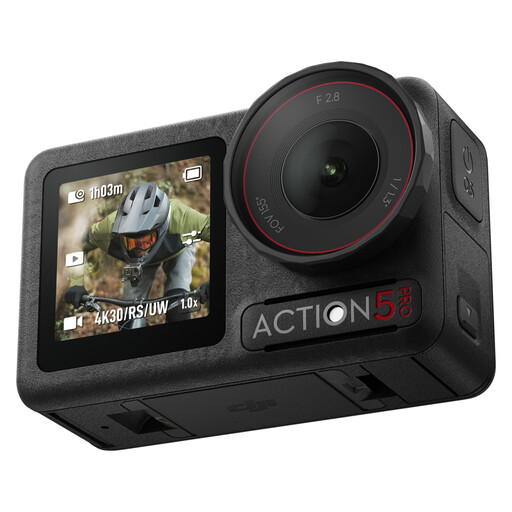
Why This Fits Their Persona: For users who value high image quality and top-tier stabilisation. Ideal for fast-paced sports, travel, and as a professional vlogging camera.
This model combines 4K/120fps video with a large 1/1.3-inch sensor, avoiding the "hollow specs" trap and ensuring high detail fidelity even in low light. The 360° HorizonSteady stabilisation is an advanced system that goes far beyond simple EIS.
Excellent low-light performance and market-leading stabilisation. The camera is waterproof down to 20 metres without an additional case.
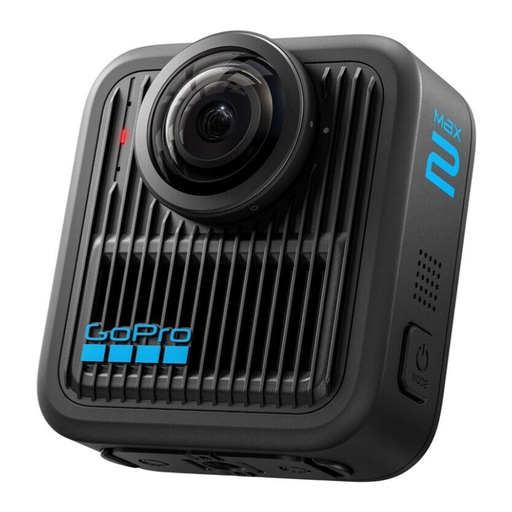
Why This Fits Their Persona: Perfect for creatives who want maximum flexibility in post-production. With a 360-degree camera, you don't have to worry about framing—just capture everything and choose your perspective later.
This model isn't a standard action cam but a specialised tool. Its spherical 8K capture is its main purpose, not just a marketing gimmick. The replaceable lenses increase its longevity and prevent a complete repurchase due to scratches.
Allows for post-capture "reframing" of 360° footage into traditional 4K videos. The "invisible selfie stick" effect creates unique third-person perspectives.
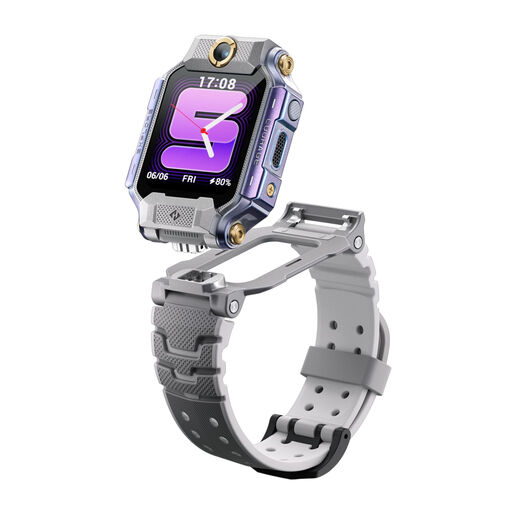
Why This Fits Their Persona: This isn't a classic action cam, but a kids' smartwatch with GPS and a camera. It's aimed at parents looking for a durable device for communication and safety that also lets their children capture moments.
The focus is clearly on safety and communication, not professional video quality. The water resistance rating of 20 metres according to ISO 22810:2010 is a reliable specification for shallow water activities and avoids vague promises.
Combines precise GPS tracking, 4G video calls, and health monitoring in a kid-friendly, durable wearable.
We have compiled a complete, up-to-date list of products that fully comply with these strict selection criteria and safety regulations.
1. How long does an action cam battery really last when recording in 4K? The actual battery life for 4K recording varies by model, frame rate, and ambient temperature. On average, you can expect 60 to 90 minutes. High frame rates (60 or 120 fps) and cold temperatures will significantly reduce the runtime. It is therefore advisable to always carry at least one charged spare battery.
2. Do I need a special memory card for an action camera? Yes, for reliable recording of high-resolution video, especially 4K, a fast microSD card is essential. Look for cards with a U3 and V30 rating. These guarantee a minimum write speed high enough to prevent recording interruptions or corrupted files. Also, check the maximum storage capacity recommended by the manufacturer.
3. What is the difference between a 360-degree camera and a normal action cam? A conventional action cam uses a single wide-angle lens to capture a fixed frame. A 360-degree camera, on the other hand, uses two or more fisheye lenses to capture a complete spherical view of the surroundings. The advantage lies in post-production: you can freely choose the frame and camera perspective after recording. This is ideal for immersive VR content or when you don't want to focus on aiming the camera while filming.