
Lieferung heute & morgen

Qualitätsgarantie
App herunterladen
Kategorien
An action cam is designed for recording video under demanding conditions. Unlike conventional cameras or smartphones, these devices are distinguished by their compact design, high durability, and advanced stabilization technologies. Selecting the right model depends on specific technical parameters that should be tailored to the intended use case—be it sports, vlogging, or travel. This guide analyzes the crucial criteria for choosing an action camera in 2026.
The performance of a sports camera is determined by the interplay of several technical components. An informed decision is based on a thorough analysis of these specifications.
Resolution defines the level of detail in the image. A 4K action cam (3840 x 2160 pixels) has become the established standard. Higher resolutions like 5.3K or 8K offer more flexibility in post-production, for instance, when cropping shots without losing quality. The frame rate, measured in frames per second (fps), is crucial for rendering smooth motion and creating slow-motion shots. A rate of 60 fps at 4K resolution already allows for 2x slow-motion, while 120 fps or 240 fps at lower resolutions enables even more dramatic slow-motion effects.
One of the most critical features is a camera with image stabilization. Electronic Image Stabilization (EIS) systems like HyperSmooth (GoPro), FlowState (Insta360), or RockSteady (DJI) use algorithms to correct shakes and vibrations in real time. Advanced stabilization is essential to ensure smooth, watchable footage during action-packed activities like mountain biking, skiing, or running. Some models also offer a Horizon Lock feature, which keeps the image level even when the camera is tilted heavily.
The size of the image sensor directly impacts image quality, especially in low-light conditions. A larger sensor can capture more light, resulting in less noisy and more detailed shots at dusk or indoors. Specifications like 1/1.9-inch or 1/1.1-inch indicate the sensor size. Models with a variable aperture (e.g., f/2.0–f/4.0) offer additional flexibility to adapt the exposure to different lighting situations.
A modern waterproof camera often requires no extra housing for use in shallow water (typically up to 10 meters). This enhances usability and improves audio quality underwater. For deeper dives, a separate dive housing is usually necessary. The overall durability, shock resistance, and operating temperature range (e.g., -20°C to 40°C) are important indicators of the camera's reliability under extreme conditions.
Battery life determines how long you can record continuously. Quoted runtimes often refer to optimal conditions and lower resolution settings. Cold-resistant batteries and the ability to swap them out are advantageous for long outdoor recording sessions. The form factor—whether classic, modular, or 360°—influences handling and creative possibilities.
Based on the technical criteria mentioned, here are some models that stand out with specific features for different use cases.
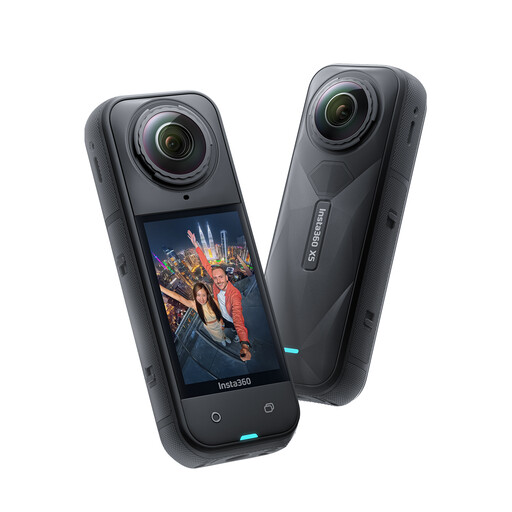
Why we recommend this product: The Insta360 X5 is aimed at users seeking maximum creative freedom through 360° capture. The ability to record in 8K and choose the shot in post-production (reframing) opens up entirely new perspectives. The "Invisible Selfie Stick" effect and powerful AI-powered editing make it a versatile tool for content creators.
Pros:
Who it's for: Content creators and vloggers who want to experiment with immersive 360° videos and creative camera movements. Ideal for anyone who prioritizes post-production and desires maximum flexibility in framing their shots.
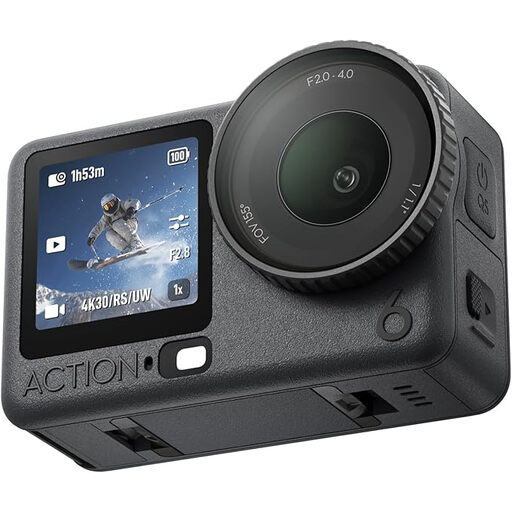
Why we recommend this product: The DJI Osmo Action 6 is engineered for high image quality in changing light conditions and ease of use for vloggers. Its large 1/1.1-inch sensor and variable aperture (f/2.0–f/4.0) allow for precise exposure control, making it particularly well-suited for dynamic shooting situations.
Pros:
Who it's for: Vloggers and sports enthusiasts looking for a reliable vlogging camera with high image quality and simple operation. The variable aperture and large sensor are beneficial for users who frequently move between bright and dark environments.
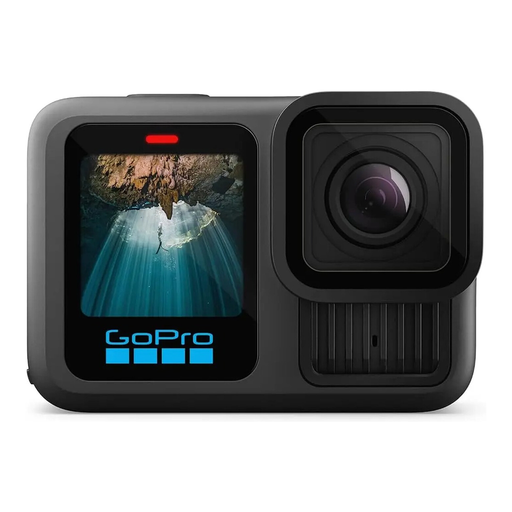
Why we recommend this product: The GoPro HERO13 Black positions itself as a versatile and powerful tool for demanding content creators and athletes. With 5.3K60 video, advanced HyperSmooth 6.0 stabilization, and compatibility with a new ecosystem of interchangeable lenses, it offers professional-grade features in a rugged package.
Pros:
Who it's for: Users seeking an all-around action cam with professional video features and high reliability. Its compatibility with interchangeable lenses makes it particularly appealing for filmmakers who want to achieve specific visual styles (e.g., macro, wide-angle).
The models presented cover specific use cases. However, the action cam market is broad and offers solutions for various needs and budgets. For a more comprehensive overview of different models and price points, take a look at our category for quality cameras.
1. What is more important in an action cam: 4K resolution or image stabilization? Both factors are important, but for most use cases, effective image stabilization is a higher priority. A shaky 4K video is often less usable than a smooth, stabilized 1080p video. Good stabilization ensures that footage is pleasant to watch, even during intense movement. 4K resolution, on the other hand, offers more detail and flexibility for cropping in post.
2. Do I need a waterproof housing for an action camera? Modern action cams are often waterproof to a depth of 10 meters or more without an additional housing. This is sufficient for most activities like swimming, snorkeling, or recording in the rain. However, for deeper dives, a special dive housing is still required to withstand the higher water pressure.