
Lieferung heute & morgen

Qualitätsgarantie

Willkommens-Angebote freischalten: KOSTENLOSE Lieferung | Bis zu 80 % RABATT | Kostenlose 30-Tage-JoyPlus-Testphase
App herunterladen
Purchasing a high chair marks an important milestone: the child begins to actively participate in family life at the dinner table. Yet, the market is saturated with models whose promises often fail to deliver in practice. An adjustable high chair should be an investment for years, not just a few months. However, many parents quickly find that their chosen model is impractical, difficult to clean, or already too small. This guide highlights the most common pitfalls and explains the objective criteria that truly matter.
Before we explore the features of a smart choice, it's crucial to understand the typical problems that lead to frustration and unnecessary expenses.
To make an informed decision, you should focus on verifiable product features rather than marketing promises.
The material is decisive for the chair's stability and lifespan. A wooden high chair, for example, made from beech, is a classic known for its robustness. A modern and sustainable alternative is a bamboo high chair. Bamboo is a fast-growing renewable resource that boasts high hardness and resilience.
A key indicator of construction quality is the maximum weight capacity. A high-quality high chair with a 70 kg weight limit is not just designed for children; it can later be used comfortably by a teenager or even an adult as a full-fledged chair. This is the true hallmark of a grow-with-me concept.
The child's safety is the top priority. Always look for compliance with the European safety standard EN 14988:2017+A1:2020. This standard ensures that the chair meets strict requirements for tip-over resistance, structural stability, and the absence of pinching or entrapment hazards. An integrated harness system (3-point or 5-point) is essential in the early stages, when the high chair is used from 6 months, to keep the child securely in the seat.
A true adjustable-step high chair is distinguished by the flexible adjustment of its seat and footplate. Both elements should be adjustable in height and, ideally, in depth as well. This is the only way to ensure the chair can be ergonomically adapted to the child's specific size—from their first attempts at sitting to their primary school years.
A high chair with a removable tray offers additional flexibility. With the tray attached, it functions as a standalone eating space. Without the tray, the chair can be pushed directly to the family table, which promotes the child's integration.
Instead of making a blanket recommendation, we have identified models that suit different lifestyles and requirements.
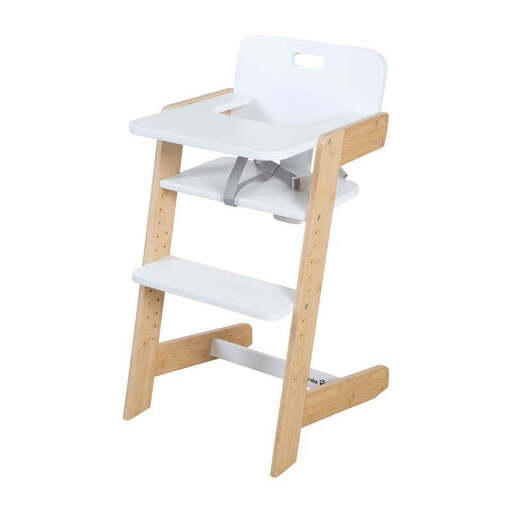
Why This Fits Their Persona: The combination of solid bamboo and white lacquered elements blends seamlessly into bright, minimalist living concepts, creating a warm and inviting atmosphere at the dinner table.
Thanks to its 70 kg weight capacity and adjustable platforms, it bypasses the short-lifespan trap. The smooth, wipeable MDF and bamboo surfaces solve the cleaning problem.
Meets the current safety standard EN 14988:2017+A1:2020. The bamboo wood used is FSC-certified, according to the manufacturer.

Why This Fits Their Persona: The strong contrast between the natural bamboo and the anthracite-coloured elements makes a clear design statement, perfectly complementing modern kitchens and dining areas with dark accents.
The robust construction and adjustable-step design guarantee use far beyond the baby years. The low-maintenance surfaces are designed for the rigours of daily family life.
Can be used flexibly with or without the removable tray, allowing it to adapt perfectly to the main dining table. The handle grip in the backrest makes it easy to move.
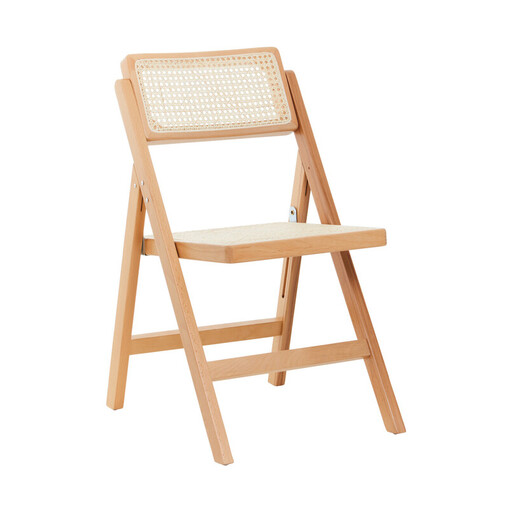
Why This Fits Their Persona: When a child outgrows the adjustable chair, the question of a permanent, stylish seating solution arises. This beech wood chair provides aesthetic continuity at the dining table.
It solves the problem of mismatched chairs at the dining table by providing a durable and visually appealing option for teenagers and adults that complements the rest of the decor.
Crafted from sustainable beech wood with a timeless rattan weave. The chair can be folded to save space when not in use.
We have compiled a complete, up-to-date list of products that fully meet these strict selection criteria and safety regulations.
As a general rule, a high chair from 6 months is recommended. The most important prerequisite is that your child can sit upright independently and stably without support. In the initial phase, using the included harness system is mandatory to ensure safety.
This standard is an indispensable quality and safety feature. It ensures that the chair has been tested for stability, tip-over resistance, materials, and construction to minimise risks such as finger entrapment or the chair toppling over. A product that meets this standard provides a certified foundation for safe use.
Both a bamboo high chair and a classic wooden high chair made of beech or oak are very durable if well-made. Bamboo stands out as a particularly hard and fast-growing material. Solid wood like beech is a proven classic, renowned for its extreme robustness. The decision often comes down to personal preference for the look and the specific manufacturing quality of the model in question.