
Lieferung heute & morgen

Qualitätsgarantie

Willkommens-Angebote freischalten: KOSTENLOSE Lieferung | Bis zu 80 % RABATT | Kostenlose 30-Tage-JoyPlus-Testphase
App herunterladen
A high chair that grows with your child is an investment intended to serve a family for many years. The concept is compelling: one chair that can be used from infancy through the teenage years, or even into adulthood. However, the market is flooded with models whose promises don't always hold up in practice. As a Joybuy Product Recommendation Officer, I'll help you identify the crucial features and avoid common purchasing traps.
Many products advertise longevity, but not all deliver on their promises. Pay attention to these three points to avoid a bad investment:
To find the right high chair for your child, you should focus on objective and verifiable criteria.
A good adjustable high chair not only adapts to the child's size but also supports a healthy posture. Two separately adjustable elements are crucial here:
The material affects not only the appearance but also the durability and safety.
Depending on your living situation and lifestyle, different features can be the deciding factor:
Here are some models tailored to different needs and priorities.
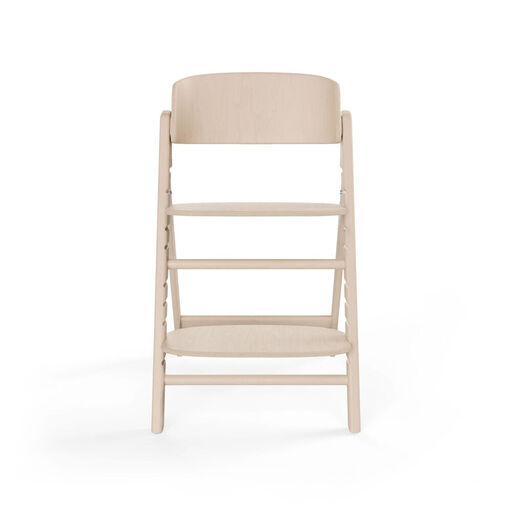
Why This Fits Their Persona: This model combines a minimalist, modern design with sustainable materials. It blends seamlessly into a stylish living environment and is designed as an object that will be used far beyond the baby years.
It escapes the "grows-with-you" trap by being designed for use up to 99 years. The FSC-certified beech wood and high-quality craftsmanship ensure true longevity.
One-click folding mechanism for space-saving storage; ergonomic adjustability for all ages; made from sustainably sourced beech wood.

Why This Fits Their Persona: For parents who value functionality and ease of use. The chair folds flat, making it ideal for smaller kitchens or for transport to the grandparents' house.
It solves the cleaning problem with wipeable surfaces and a machine-washable cover. The large basket under the seat helps keep things tidy.
Folds compactly and is easy to transport; large, adjustable tray; extra-large storage basket for toys or bibs.
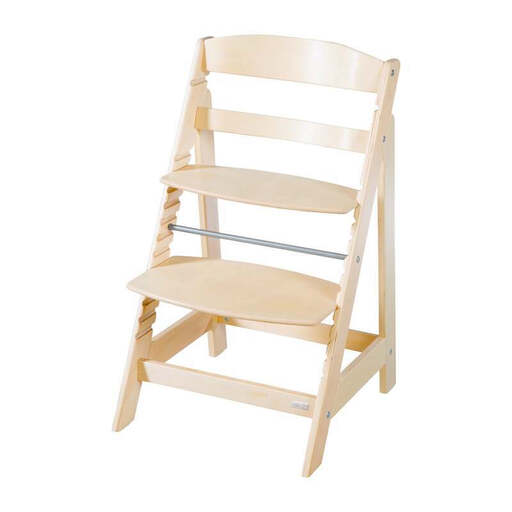
Why This Fits Their Persona: A classic wooden step-style high chair that offers a long service life up to a weight of 70 kg. It represents a solid, durable investment without breaking the bank.
This model is the epitome of a grow-with-me chair. With simple height adjustment for the seat and footplate, it adapts over the years, eliminating the need for a new purchase.
High weight capacity and long service life; flexible adjustment to any table height; removable safety bar and harness system.
We've compiled a complete, up-to-date list of products that fully meet these strict selection criteria and German safety regulations.
Most grow-with-me high chairs are designed for children who can sit up independently, which is usually from about six to nine months of age. For use from birth, you will need a model that can be combined with a special newborn set (a type of baby bouncer attachment).
Correct adjustment is crucial for comfort and safety.
Both materials have their advantages. A baby high chair made of wood is often very robust, durable, and stable. Plastic models are typically lighter, often foldable, and sometimes easier to clean. The choice depends on your priorities: longevity and classic design (wood) versus flexibility and lower weight (plastic). Regardless of the material, compliance with safety standards and non-toxic construction are the most important criteria.