
Lieferung heute & morgen

Qualitätsgarantie

Willkommens-Angebote freischalten: KOSTENLOSE Lieferung | Bis zu 80 % RABATT | Kostenlose 30-Tage-JoyPlus-Testphase
App herunterladen
A variable temperature kettle is no longer a niche product. Precise water temperature is crucial, whether you're brewing green tea that unfolds its aroma at 80°C, making the perfect pour-over coffee at 94°C, or preparing baby formula at exactly 40°C. However, the market is flooded with models whose advertised features often fail to deliver in practice. Before you make a purchase, you should be aware of two common pitfalls that can lead to disappointment.
To make an informed decision, you should focus on two core aspects: the material of the water container and the true functional scope of the temperature control.
The choice of material affects not only the durability and appearance but also the safety and taste of the water.
The core function that defines this class of appliance deserves close examination.
Instead of making a blanket recommendation, we have identified models tailored to clearly defined user profiles.
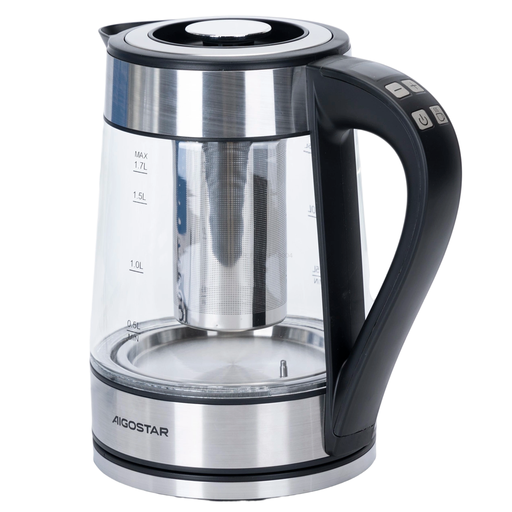
Why This Fits Their Persona: For users who want to extract the full aroma from their tea or coffee, degree-perfect temperature control is essential. This model offers the precision required for that task.
Instead of just a few fixed presets, this device offers 13 temperature settings according to the manufacturer. This allows for the fine-grained control needed for specialty teas.
A removable tea infuser and a digital real-time temperature display provide added convenience and control throughout the brewing process.
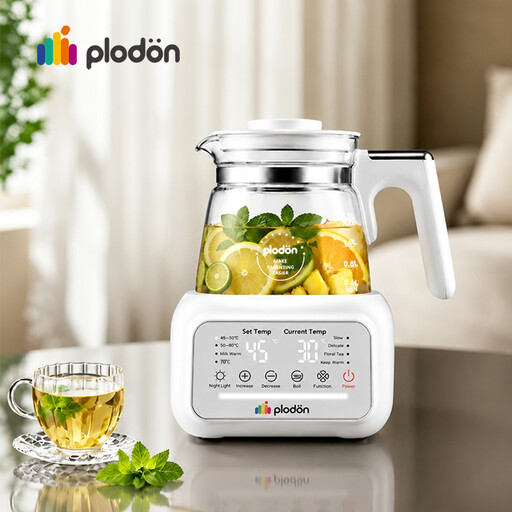
Why This Fits Their Persona: Parents need water at the exact temperature for baby formula quickly and easily, especially at night. Features that simplify and secure this process are crucial.
This model is explicitly designed for preparing baby formula and includes a milk warming mode. The borosilicate glass body is BPA-free, ensuring no unwanted substances leach into the water.
A keep-warm function of up to 72 hours, an integrated night light for operation in the dark, and a dechlorination feature are practical advantages for daily life with an infant.
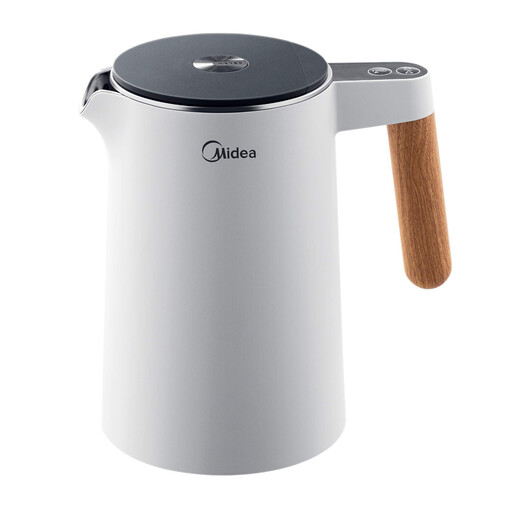
Why This Fits Their Persona: For users who value a modern kitchen aesthetic and high safety standards without sacrificing functionality. Its clean design fits into many environments.
The double-wall construction effectively prevents the outer surface from getting hot. This minimises the burn risk, a common problem with cheaper, single-wall stainless steel models.
A wide temperature range from 45°C to 100°C, combined with a clear LED display and a BPA-free construction, offers a balanced package of safety, function, and design.
We have compiled a complete, up-to-date list of products that fully meet these strict selection criteria and safety standards.
Descaling is crucial for the longevity and efficiency of the appliance. Fill the kettle with a 1:1 mixture of water and white vinegar (or a dedicated descaling solution) so that the heating element is covered. Let the solution sit for about an hour without turning the device on. Afterwards, pour it out and rinse the interior thoroughly with clean water. Then, run a boiling cycle with only water and discard it as well to remove any vinegar residue.
The power consumption of a keep-warm function is low compared to the actual boiling process. The function only switches the heating element on briefly to maintain the temperature, rather than heating continuously. Nevertheless, it does consume energy. If you anticipate needing the water more than an hour later, it is generally more energy-efficient to re-boil it when needed rather than using the keep-warm function for a very long period.
Yes, provided they are made from high-quality material. Look for the borosilicate glass designation, as this material is known for its high heat resistance and resilience to thermal shock. It is important not to drop the appliance and to take it out of service immediately if you see any visible cracks or damage. Models with an additional plastic or stainless steel frame often offer better protection against impacts.