
Lieferung heute & morgen

Qualitätsgarantie

Willkommens-Angebote freischalten: KOSTENLOSE Lieferung | Bis zu 80 % RABATT | Kostenlose 30-Tage-JoyPlus-Testphase
App herunterladen
Preparing hot beverages or baby formula often requires more than just boiling water. The right temperature is crucial for unlocking the full aroma of green tea, brewing the perfect pour-over coffee, or mixing infant formula safely while preserving its nutrients. A basic kettle that only heats to a boil simply falls short.
A variable temperature kettle offers the precision you need. However, the wide selection of models and technical specifications can be overwhelming. This guide is here to help you navigate the options, introducing different device concepts so you can make an informed decision that perfectly suits your needs.
Before you decide on a model, there are a few fundamental criteria to consider. These features determine not only the device's functionality but also its safety and durability.
The material of the water chamber comes into direct contact with your drinking water. The most common materials recommended for food contact are glass and stainless steel.
A crucial safety feature is the BPA-free label. Bisphenol A (BPA) is a chemical compound found in some plastics that can leach into food when heated. For preparing water for baby formula in particular, a device certified as BPA-free is an essential requirement.
The core feature is precise temperature control. There are two main approaches:
A keep-warm function holds the water at your selected temperature for a set period after heating. This is convenient if you can't pour immediately or want to prepare multiple cups in succession.
In addition to the classic kettle, there are hot water dispensers. These devices heat only the required amount of water at the touch of a button and dispense it directly into your cup. They are often more energy-efficient for single servings and deliver water in seconds. However, for heating larger quantities of water at once, the classic kettle remains the more practical solution.
Based on the criteria above, we have curated a selection of devices that cater to different needs and use cases.
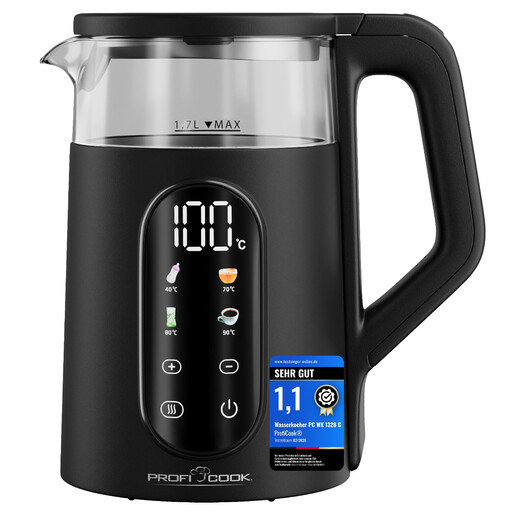
What sets this model apart The ProfiCook PC WK 1328 G combines the benefits of a glass kettle with precise digital controls. Its temperature range of 40°C to 100°C, combined with a real-time display, makes it a versatile tool for discerning users.
Benefits at a Glance
Who is this device for? This model is an excellent choice for tea and coffee enthusiasts who value precise brewing temperatures, as well as for parents who need to regularly heat water for baby formula to a specific temperature (e.g., 40°C).
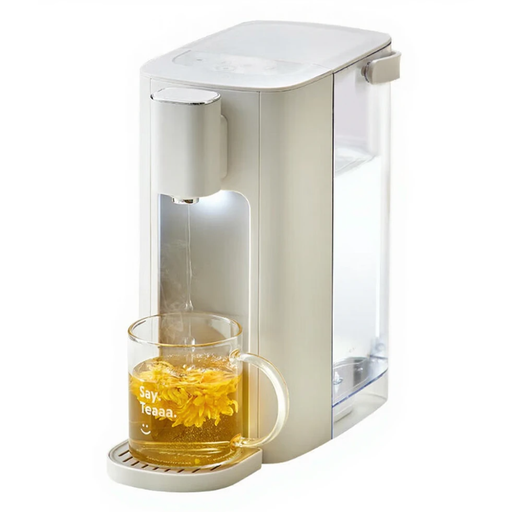
What sets this model apart The Bear Hot Water Dispenser takes a different approach: it delivers instant hot water at preset temperatures and volumes at the touch of a button. This makes it exceptionally efficient for quickly preparing single cups.
Benefits at a Glance
Who is this device for? Ideal for offices, frequent tea or coffee drinkers, and families who often need a quick cup of hot water—whether for a tea break or preparing a baby bottle.
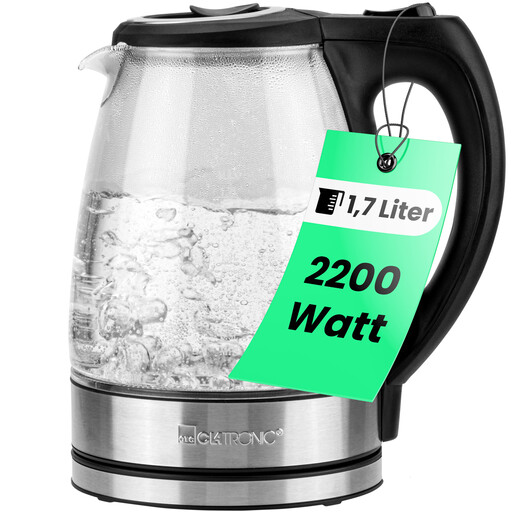
What sets this model apart This model from Clatronic focuses on the essentials: high-quality materials and reliable functionality without complex temperature settings. It's a classic kettle designed for durability and safety.
Benefits at a Glance
Who is this device for? For users seeking a robust, safe, and easy-to-use kettle for daily use who prioritise material quality but do not require variable temperature control.
The products featured here cover a range of different needs. If you are particularly interested in instant water heating technology, it's worth exploring our broader selection of devices.
Discover more models in our Hot Water Dispensers category.
Most infant formula manufacturers recommend a water temperature between 40°C and 50°C for mixing the powder. At this temperature, the powder dissolves well without destroying heat-sensitive nutrients. However, always follow the specific instructions on your baby formula's packaging and carefully check the drinking temperature before feeding.
Both glass and stainless steel are taste-neutral materials. This means they do not transfer any unwanted flavours or particles to the water, preserving the pure taste of your tea or coffee. Additionally, they are durable, robust, and easier to clean and keep hygienic compared to some plastics.
"BPA-free" means that a product was manufactured without the industrial chemical Bisphenol A. This substance is used in the production of certain plastics (e.g., polycarbonate). There are concerns that BPA can leach from the material into food or beverages, especially when heated. As a precautionary measure, BPA-free materials are increasingly used for products that come into contact with food, such as kettles and baby bottles.