
Lieferung heute & morgen

Qualitätsgarantie

Willkommens-Angebote freischalten: KOSTENLOSE Lieferung | Bis zu 80 % RABATT | Kostenlose 30-Tage-JoyPlus-Testphase
App herunterladen
Choosing the right bicycle helmet can be a challenge given the vast array of models, technologies, and designs. Whether for the daily commute, a weekend sports ride, or a trip on your e-scooter, the requirements for a helmet are highly individual. This article serves as a guide, presenting objective criteria to help you make an informed decision. We will showcase a selection of models with different specialisations to cover a range of needs.
To find the right helmet, several technical aspects and features are crucial. The following points provide a foundation for your selection.
A helmet can only provide protection if it fits correctly. An adjustable helmet offers the ability to fine-tune the fit. Look for a dial adjustment system at the back of the head, which allows the inner ring to be adapted to your head circumference. Adjustable chin straps are also standard and ensure the helmet does not slip during an impact. To find the right size, measure your head circumference at its widest point, about one centimetre above your eyebrows.
Modern helmets offer more than just an impact-absorbing shell.
The intended use determines the helmet's design. A city bike helmet often focuses on good ventilation and comfort for everyday use. A skate helmet, on the other hand, is typically equipped with a more robust and smoother outer shell made of ABS plastic to withstand repeated, minor impacts. For users of e-bikes or an e-scooter helmet, models that meet the Dutch NTA-8776 standard are recommended, as they are designed for higher speeds.
Here is a selection of helmets that stand out for their specific features and are suitable for different user profiles.
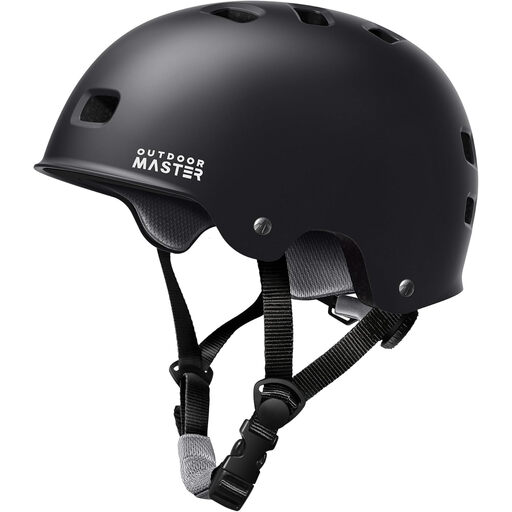
View Product: OutdoorMaster Oryx Adults Skateboard Cycling Helmet
Why it stands out: The OutdoorMaster Oryx is designed as a multi-sport helmet. Its reinforced ABS outer shell and thick, shock-absorbing EPS core make it a durable choice for various activities.
Pros:
Who is it for? This helmet is a great option for individuals looking for a single, durable helmet for multiple sports like cycling and skating, who value a resilient outer shell.
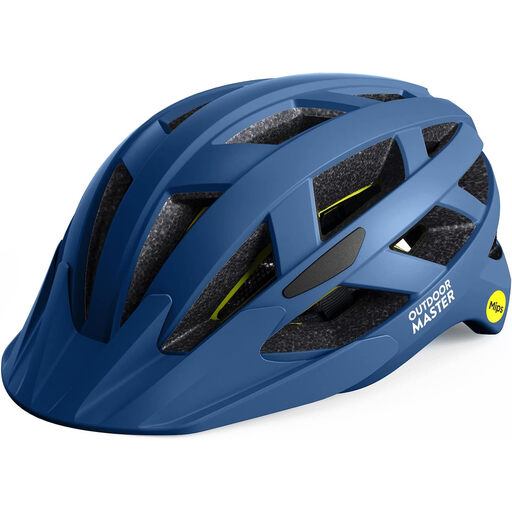
View Product: OutdoorMaster MIPS Gem I Adults Recreational Cycling Helmet
Why it stands out: This model integrates the MIPS safety system, which is designed to offer additional protection during angled impacts. Its lightweight construction and high number of vents make it comfortable for longer rides.
Pros:
Who is it for? Ideal for cyclists who are looking for a lightweight and well-ventilated helmet for recreational or sport-oriented rides and who value the added safety feature of the MIPS system.
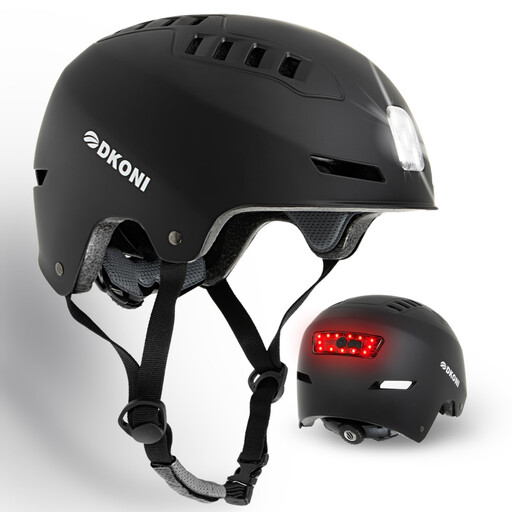
View Product: DKONI HS-158 Bicycle Helmet Adult USB Rechargeable
Why it stands out: The DKONI HS-158 is distinguished by its integrated, USB-rechargeable lighting system. With five white LEDs at the front and 13 red LEDs at the back, it ensures high visibility in city traffic.
Pros:
Who is it for? This helmet is an excellent choice for commuters and city riders who frequently travel in low-light conditions and prefer an all-in-one solution for protection and visibility.
Was the right model for you not among these? Every rider has different priorities, whether it's a specific design, a different fit, or other technical features.
Discover our entire selection of Adult Bicycle Helmets and find the model that meets your requirements.
Manufacturers generally recommend replacing a bicycle helmet after any significant impact, even if there is no visible damage. The shock-absorbing structure may be compromised. Regardless of falls, replacement is suggested every 3 to 5 years, as materials like the EPS foam can degrade over time due to UV radiation and environmental factors, losing their protective properties.
Functionally, there is usually no difference. A helmet's fit is determined by head circumference, not gender. Many models are designed as unisex helmets. Differences between women's and men's bike helmets are often only in the design and colour scheme. The only thing that matters is that the helmet fits the individual's head size and shape.
MIPS stands for "Multi-directional Impact Protection System." It is an additional, low-friction shell inside the helmet. It is designed to move 10 to 15 millimetres relative to the head during an impact. The goal of this technology is to reduce the rotational forces that can act on the brain during an angled impact.