Handmade ornament sellers
If you’re showcasing lots of pieces, a dedicated shooting area and consistent lighting make it easier to take repeatable full shots against the same simple background.


You don’t necessarily need to buy a new camera for full shots of Advent ornaments: first, try the device you already own with a plain background, good lighting and a steady setup. If you regularly want tiny decorations to fill the frame, magnification and room for lighting are key. A camera with a dedicated close-up mode is straightforward to use, while a separate macro lens requires more planning around your camera system.
If you’re showcasing lots of pieces, a dedicated shooting area and consistent lighting make it easier to take repeatable full shots against the same simple background.
For small patterns and intricate joins, check the magnification and working distance of the specific lens, and consider how you’ll light your subject.
If you’re starting by photographing whole decorations, try your existing smartphone or camera with a simple background, good lighting and a stable support before putting together a new system.
First decide whether you’ll mainly be taking consistent shots of whole ornaments or want to show very small details up close. Then you can work out whether your existing device will do the job, or which lens and shooting distance best suit your needs.
| Priority | What to check before buying | Who is this important to? |
|---|---|---|
| Show whole pieces consistently | What’s included in the kit and which lens it comes with; whether you can create a stable, repeatable setup. | If I want to photograph several ornaments with a similar composition, I look for a consistent background and a stable setup. Around 31% of consumers say comparable full shots are their top priority. |
| Capture fine details | The magnification and working distance of the specific lens. | If I want small patterns or joins to appear large in the image, I compare close-up performance rather than relying on the word “macro” alone. For around 31% of consumers, detail shots come first. |
| Control colours and backgrounds | Room for consistent lighting and a plain background; a stable support or tripod. | If I’m photographing a series against a simple background, I want to keep the lighting and composition as consistent as possible. Around 23% of consumers prioritise consistent colour and background presentation. |
| Get started with little extra equipment | Try your existing device in good light; check the kit contents against the setup you have in mind. | If I only need simple full shots to begin with, I first see what my existing device can do with a stable support and good lighting. Around 15% of consumers prioritise keeping things as simple as possible. |
Close-up performance depends on the specific lens or camera mode. According to Canon, the Canon RF-S 18–45 mm achieves a maximum magnification of 0.16x at 45 mm with autofocus, or 0.26x with manual focus.
Compare the maximum magnification of the lens actually included with the size of your smallest details.
For greater magnification, you may need to buy an additional compatible macro lens.
Focusing distance is not the same as the working distance in front of the lens. At its closest focus setting, the Sony E 30 mm F3.5 Macro has a working distance of around 2 cm; this can make it harder to light the decoration.
Check the working distance and whether you can light the ornament without blocking it or the subject.
The lens actually included and a repeatable setup also matter when taking photos. A standard zoom isn’t automatically a macro lens.
Compare everything included in the kit, then plan a background, lighting and stable support to suit the size of your decorations.
Depending on your existing setup, you may also need a lens, tripod, background or lighting.
The EOS R50 with a kit zoom is one possible mirrorless camera option for full shots and different compositions.
The Tough TG-7 is an option for close-ups with a fixed lens, if you’d rather not change lenses.
The α6400A with a kit zoom can be paired with a separately chosen macro lens for a different E-mount system setup.
A Z system is one possible interchangeable-lens option if you’re planning to use a compatible NIKKOR Z macro lens.
This selection includes compact and digital cameras for photographing Advent decorations. If you want to capture fine details up close, check before buying whether the specific model can focus on your subject.
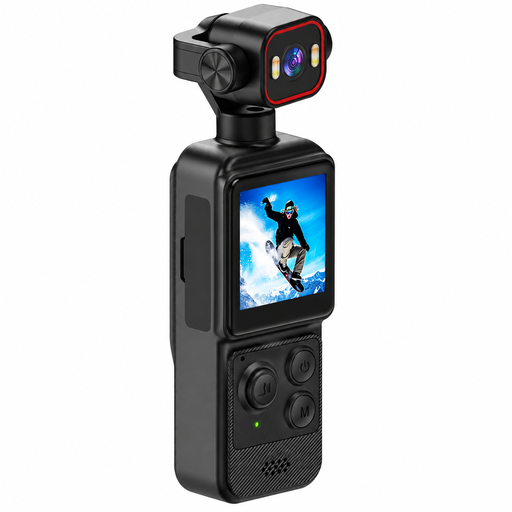 No image available
An option if you’re specifically looking for a small camera with a clip and built-in lighting; check its close-focusing ability for delicate subjects.
Features include a 1.54-inch display, a 140° wide-angle lens, app control and a 1200-mAh battery.
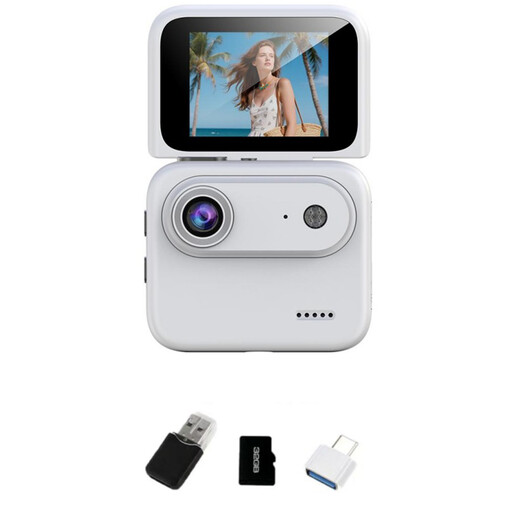 No image available
An option if you’re looking for a camera with a flip screen and a 1/4-inch thread for a stable setup; check its close-focusing ability for small jewellery details.
The title lists a 2.0-inch flip screen, a 143° wide-angle lens and image stabilisation. The description also mentions a built-in LED light.
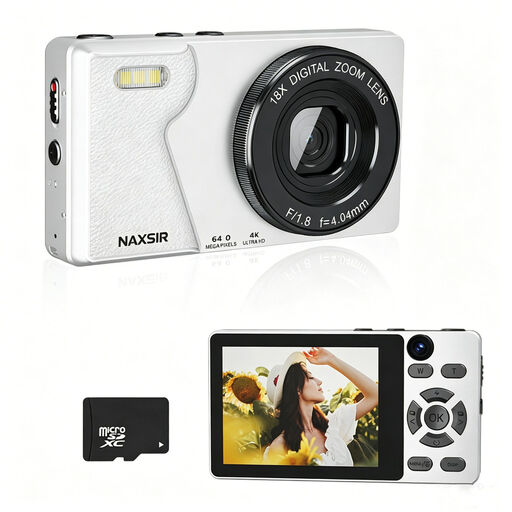 No image available
An option if autofocus is important to you; check how well it focuses on your specific subject before using it for close-ups of delicate ornaments.
Features include 64 MP photo resolution, 18x digital zoom, autofocus and a 32 GB memory card.
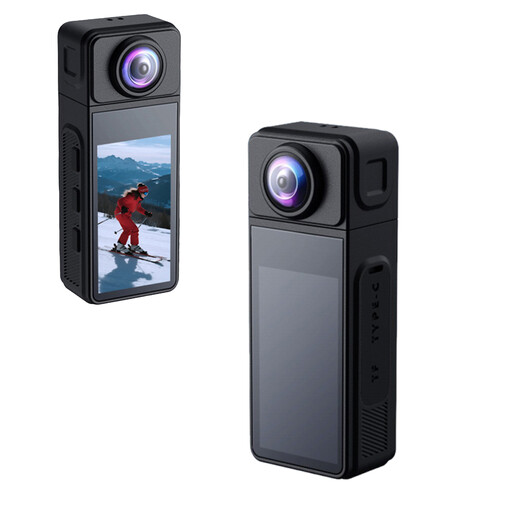 No image available
An option if you’re looking for a mini action camera with a rotating lens and a 1/4-inch thread for a stable setup; check its close-focusing ability for small details before buying.
The title lists a 270° rotating wide-angle lens and electronic image stabilisation. The description mentions a 1/4-inch thread.
No, you don’t necessarily need to buy a new camera to start taking full shots. Try your existing smartphone or camera with good lighting, a plain background and a stable support. For very small details, the close-up limitations of your specific device may be the deciding factor.
Keep the decorations, camera, background and lighting as consistent as possible across your shots. A tripod or another stable support can help you take repeatable compositions.
Not necessarily. For the RF-S 18–45 mm at 45 mm, Canon specifies maximum magnification of 0.16x with autofocus or 0.26x with manual focus. So check the exact lens name and its magnification in the offer.
If you’re buying as a consumer, you have statutory rights against the seller; Your Europe states that consumer goods in the EU are generally covered for at least two years from receipt. For standard online distance sales, you generally have a 14-day right to cancel from delivery, subject to applicable exceptions. The right to cancel because you’ve changed your mind is different from making a claim about faulty goods; a voluntary guarantee is different again. If you’re buying for business purposes, don’t assume that consumer rights apply without checking.
The German Environment Agency advises that electrical waste should be handed in separately from household rubbish. Remove the battery before handing the camera in if this can be done easily, and take it to a suitable battery collection point separately.