
Lieferung heute & morgen

Qualitätsgarantie

Willkommens-Angebote freischalten: KOSTENLOSE Lieferung | Bis zu 80 % RABATT | Kostenlose 30-Tage-JoyPlus-Testphase
App herunterladen
Regularly monitoring your blood pressure at home is a cornerstone of personal health management. Modern devices now offer more than just systolic and diastolic readings; they can also provide indications of heart rhythm disorders like atrial fibrillation. However, the market is crowded, and not every device delivers on its promises. Misleading claims and unsuitable technology can quickly lead to a poor purchase and unreliable readings.
This guide will help you identify the crucial features and avoid common pitfalls, ensuring you find a device that operates accurately and fits your specific needs.
Many buyers are swayed by marketing promises that lead to practical problems. You should be aware of three typical sources of error:
To avoid making the wrong choice, you should focus on three core parameters that determine a device's reliability and utility.
A reliable upper arm blood pressure monitor should be certified as a medical device, which ensures a baseline level of accuracy. When reading the product description, pay close attention to whether "Atrial Fibrillation Detection" (AFib Detection) is explicitly mentioned. This feature uses special algorithms to scan for signs of this specific heart rhythm disorder during measurement. This provides a more valuable insight for a subsequent consultation with your doctor than a generic arrhythmia warning.
Before purchasing, measure your upper arm circumference midway between your elbow and shoulder. Compare this value with the manufacturer's specifications.
A blood pressure monitor with an app makes life significantly easier. The readings are automatically transferred to your smartphone via Bluetooth and displayed graphically in an app. This allows you to identify trends over weeks and months and easily share the data with your doctor if needed. For older users (a blood pressure monitor for seniors), additional features like a voice broadcast function, a large, backlit display, and simple one-button operation are particularly helpful.
Here are some recommendations tailored to different needs, specifically designed to avoid the pitfalls mentioned.
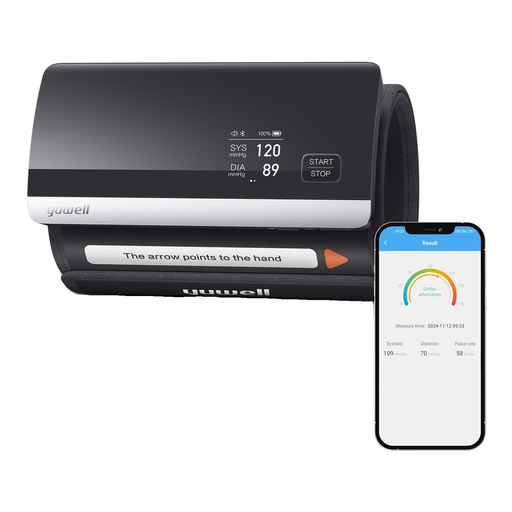
Why This Fits Their Persona: Ideal for users who want comprehensive heart health monitoring. This model combines precise blood pressure measurement with specific AFib detection, a large cuff, and seamless app integration for visualising health trends.
It offers explicit atrial fibrillation detection, not just a vague arrhythmia warning. The extra-large cuff (22–45 cm) prevents measurement errors caused by an improper fit.
Combination of AFib detection, large cuff, and app connectivity. Voice broadcast for ease of use.
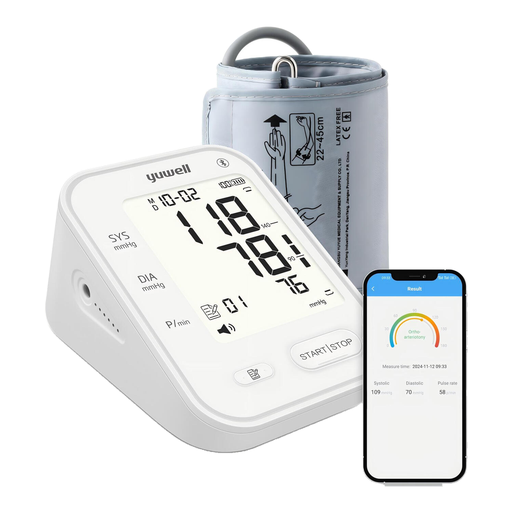
Why This Fits Their Persona: Perfect for users who need a reliable, smart device with a flexible fit. The focus is on accurate blood pressure tracking via an app, without the mandatory need for AFib detection.
The extra-large cuff (22–45 cm) solves the problem of inaccurate readings on larger upper arms. App connectivity eliminates the cumbersome process of manually logging values.
Wide cuff range for a high degree of fit accuracy. Backlit display and simple data synchronisation via the app.
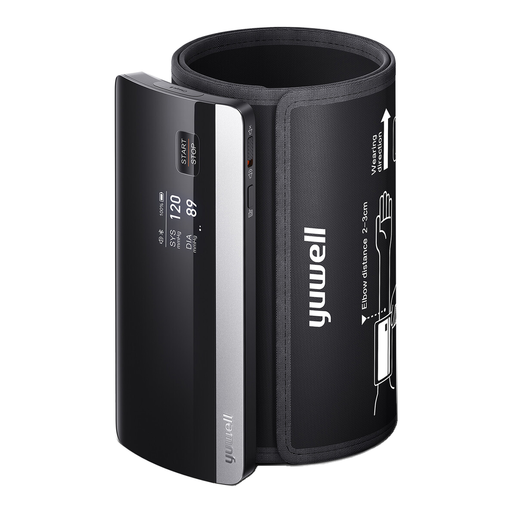
Why This Fits Their Persona: This device is designed for maximum user-friendliness. The all-in-one design with no loose tubes and the voice broadcast of readings make it extremely easy to use, especially for seniors or individuals with visual impairments.
It reduces user error with its integrated design and clear voice guidance. Operation is self-explanatory, avoiding confusion from complex menus or small displays.
Very simple to handle due to its all-in-one construction and voice function. Still smart with app connectivity.
We have compiled a complete, real-time list of products that fully satisfy these strict selection criteria and UK safety regulations.
The AFib (Atrial Fibrillation Detection) function analyses the heart rhythm during a blood pressure measurement for specific irregularities that could indicate atrial fibrillation. This is an indication, not a medical diagnosis. If the device signals possible atrial fibrillation, it is essential to have it medically evaluated. The device in no way replaces an examination by a doctor.
For home use, upper arm blood pressure monitors are recommended by many medical associations. This is because measurement on the upper arm is generally taken at heart level, which reduces the risk of posture errors and subsequent measurement inaccuracies. Wrist monitors are more sensitive to the correct positioning of the wrist and can therefore more easily lead to deviant readings.
For meaningful long-term monitoring, consistency is key. Ideally, take your measurements at the same time every day, for example, in the morning after waking up and before taking any medication. It is important to rest for a few minutes before the measurement. Always discuss the frequency and target values with your doctor.