Parents of fussy eaters
If your child turns down wholemeal bread because of its taste or texture, you don’t have to choose between a croissant and plain wholemeal bread every time. To start with, try combining white bread with a wholemeal option.


A croissant can work as an occasional after-school snack if your child likes it and the ingredients and preparation fit your routine. If you want to include wholegrains regularly, the Verbraucherzentrale recommends choosing a bread clearly labelled as wholegrain. For fussy eaters, you can gradually introduce it alongside white bread.
If your child turns down wholemeal bread because of its taste or texture, you don’t have to choose between a croissant and plain wholemeal bread every time. To start with, try combining white bread with a wholemeal option.
A croissant from the bakery counter doesn’t need to be heated at home. Frozen bake-at-home pastries, on the other hand, need planning ahead and must be prepared according to the pack instructions.
With croissants, the information for the specific variety is what matters. REWE and EDEKA’s product examples list ingredients including wheat and milk, and sometimes egg. If you’re buying unwrapped bakery goods, check the allergen information before you buy.
Croissants and bread suit different after-school snacking needs. The key is whether wholegrains, your child’s preferences or the time you have available comes first. For children, the Verbraucherzentrale recommends choosing wholegrain options wherever possible when buying grain products.
A good fit if: Taste and your child’s preference are the main considerations for an occasional snack.
The trade-off: A butter croissant isn’t a wholemeal bread alternative. Depending on the variety, it may have a filling, contain other allergens or need time in the oven.
A good fit if: Wholegrains are your top priority for a regular grain-based snack.
The trade-off: For fussy eaters, gradually introducing wholemeal bread alongside white bread may work better than making a sudden switch.
| What matters | What to check when buying | Who it matters most to |
|---|---|---|
| Type of grain | For bread, check for a wholegrain label and look at the ingredients list; a dark colour or the words “multigrain” alone aren’t enough. | If the snack is a regular part of the routine, I want to know whether I’m actually choosing wholemeal bread rather than a croissant. For around 40% of consumers, this choice of grain comes first. |
| Taste and acceptance | Choose between plain and filled croissants; with bread, consider gradually introducing a wholemeal option alongside it. | If my child doesn’t like an unfamiliar bread texture, I’m looking for a snack they’ll enjoy without giving up on bread straight away. Around 30% of consumers put acceptance first. |
| Time and preparation | For bake-at-home products, read the storage and baking instructions; for bakery-counter products, check what’s available locally. | After school, the snack needs to be ready to eat or easy to prepare with enough time to spare. Around 30% of consumers give this time factor top priority. |
The Verbraucherzentrale points out that “multigrain” doesn’t automatically mean wholegrain, and that a dark colour can come from malt extract.
If wholegrains are the reason you’re buying it, look for a clear wholegrain label and check the ingredients list or ask at the bakery counter.
Ingredients vary between butter, pretzel-style and filled croissants. For example, the REWE-listed hazelnut and chocolate croissant contains hazelnuts and egg as well as wheat and milk.
Check the latest ingredients and allergen information for the exact variety you’re choosing, even if you’ve tried a similar one before.
Frozen croissants need time to prepare. EDEKA specifically says that its pretzel-style butter croissant shouldn’t be eaten raw.
Before you buy, read the storage, defrosting and baking instructions if you need the snack to be ready at a particular time.
The listed butter croissants are an option for households that want to bake frozen pastries at home.
The product range includes butter croissants and a pretzel-style variety among the examples considered.
Lidl describes croissants and a range of breads as part of its bakery selection.
ALDI SÜD lists butter croissants and croissants with hazelnut and chocolate cream in its bakery range.
Here, two croissants to bake at home sit alongside crispbread and wholemeal bread as after-school snack alternatives. First decide what kind of snack you’re looking for, then check the details on the specific pack.
 No image available
A croissant option if you fancy a sweet filling and have time to prepare it.
Pack details: four croissants, 340 g in total. Before buying, check the latest ingredients and allergen information, as well as the baking instructions.
 No image available
A croissant option for a single snack, if you can plan time to prepare it at home.
Pack details: 85 g. Check the latest instructions for defrosting and baking, as well as the allergen information.
 No image available
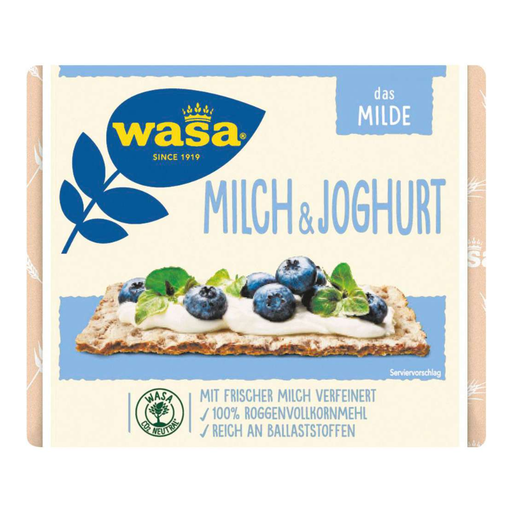
A crispbread alternative to a croissant if a crunchy bread snack sounds appealing.
Pack details: 250 g. If wholegrains are a deciding factor, check the relevant information and allergen details on the pack.
 No image available
A bread option if you’re specifically looking for wholemeal bread rather than a croissant for your snack.
Pack details: 250 g. Walnuts are part of the named variety; if you need to check for allergens, read the full, up-to-date information on the pack.
 No image available
A crispbread alternative if you don’t fancy a croissant for your afternoon snack.
Pack details: 230 g. If you’re choosing based on wholegrain content or allergens, check the latest information for the specific variety.
A croissant can work as an occasional snack. If you want wholegrains to feature regularly in your child’s diet, bread clearly labelled as wholemeal is the more straightforward choice. The Verbraucherzentrale recommends choosing wholegrain options wherever possible when buying grain products for children. For fussy eaters, you can introduce it gradually alongside white bread.
Many croissants contain wheat, which is a gluten-containing grain. The REWE and EDEKA butter croissants considered here both list wheat in their product information. To find out whether a particular variety is suitable if you need to avoid an allergen, check its up-to-date pack or bakery-counter information.
Allergens must also be clearly identified for unwrapped bakery-counter goods. The Verbraucherzentrale notes that this is a legal requirement in Germany. Before you buy, ask specifically about the information for the variety you’re considering, such as whether it contains gluten-containing grains, milk, egg or nuts.
The time needed depends on the product and its instructions. The REWE and EDEKA butter croissants considered here have a stated baking time of around 18–20 minutes; defrosting instructions or other varieties may affect your plans. Follow the latest instructions on the pack, and don’t eat bake-at-home products raw if the instructions say they must be fully baked.
No, what’s available locally may vary. EDEKA notes in its product information that items may not be stocked in every store, while ALDI SÜD promotional items may be available in limited quantities. If you’re planning on picking up a ready-to-eat snack, check what’s available at your chosen store.